
Dog & Cat Digestive Health · Cave Creek, Arizona
Blood in Your Dog’s or Cat’s Stool? What Hematochezia Means and When to Get Help
Bright red blood in your dog’s poop—or blood mixed with your cat’s stool—can be alarming. The medical term is hematochezia. Sometimes it reflects irritation of the colon or rectum; in other cases, it accompanies serious illness requiring immediate veterinary care.
Desert Forest Animal Hospital helps dog and cat owners in Cave Creek and nearby North Valley communities determine when to seek a veterinary examination, which diagnostic tests may help, and when a pet needs an emergency hospital.
See new blood in stool? Call for veterinary guidance rather than trying to diagnose the cause from its color alone.
Start Here: Triage
Is Blood in Dog Poop an Emergency?
Not every small streak of blood means an emergency, but every new episode deserves veterinary guidance. The most important questions are how much blood you see, whether your pet has diarrhea or vomiting, and whether your dog or cat is bright, eating, hydrated, and comfortable.
Go to an emergency veterinary hospital now if:
- Your pet collapses, cannot stand, appears profoundly weak, or has pale or white gums.
- There is profuse or repeated bloody diarrhea, particularly with vomiting or rapid deterioration.
- Your pet has severe abdominal pain, a swollen abdomen, trouble breathing, or suspected serious poisoning.
- A puppy or kitten has significant bloody diarrhea and appears ill, weak, or dehydrated.
DFAH is not a 24-hour emergency hospital. If your pet needs intensive, after-hours, or continuous monitoring, proceed to an appropriate emergency facility. Do not wait for an online appointment response.
| What you notice | What it may mean | Suggested next step |
|---|---|---|
| One small streak of fresh red blood; formed stool; otherwise normal adult pet | May reflect local irritation or colitis, but the cause is not established | Call your veterinarian promptly for individualized advice; report any recurrence. |
| Repeated loose stool, mucus, urgency, or straining with red blood | Large-bowel inflammation or another intestinal problem is possible | Request prompt veterinary evaluation, often the same day. |
| Bloody diarrhea with vomiting, loss of appetite, pain, or marked lethargy | Higher risk of dehydration or serious gastrointestinal illness | Seek urgent assessment; an emergency hospital may be necessary. |
| Large-volume blood, profuse diarrhea, collapse, pale gums, or extreme weakness | Potentially life-threatening blood/fluid loss or systemic illness | Emergency veterinary hospital immediately. |
| Black, sticky, tar-like stool | May represent digested blood (melena) | Contact a veterinarian promptly; emergency care if the pet is ill or unstable. |
For broader symptom guidance, see our Cave Creek guide to vomiting and diarrhea in dogs and cats.
Understanding the Symptom
What Is Hematochezia? Bright Red Blood vs. Black Stool
Hematochezia describes the passage of fresh, visible blood with or around feces. Pet owners may notice red streaks coating otherwise formed stool, small red drops after a bowel movement, blood mixed with mucus, or red watery diarrhea.
Fresh blood often comes from the large intestine, rectum, or anal region, but its appearance does not prove the location or severity of bleeding. Melena is the term for dark, tarry stool that may contain digested blood; it can be associated with bleeding higher in the digestive tract or other sources.
Red-colored food, certain medications, and supplements can alter stool appearance. A photo may be helpful, but color alone cannot diagnose a disease.
Why bright red blood may appear with mucus
Inflamed large-bowel tissue may produce mucus and fresh blood. Repeated small bowel movements, urgency, and straining are common signs of colitis. Even a dog acting normally may need testing when signs recur.
Why repeated watery diarrhea is different
Frequent liquid stools can rapidly increase fluid losses. If blood, vomiting, pain, or weakness is also present, the urgency rises. Do not assume that a pet is safe simply because bleeding started only recently.
Differential Diagnosis
Why Is There Bright Red Blood in My Dog’s or Cat’s Stool?
Hematochezia is a sign, not a diagnosis. The veterinary examination and history help narrow the possibilities. Common and important causes include:
1. Colitis and large-bowel inflammation
Colitis can cause small, frequent stools with urgency, straining, mucus, and visible red blood. Triggers may include diet changes, stress, infections, parasites, and chronic intestinal disease. Stress can be a factor, but it should not be assumed to be the explanation without considering medical causes.
2. Dietary indiscretion, food changes, and gastrointestinal irritation
Eating unfamiliar food, rich treats, garbage, or spoiled material can irritate the digestive tract. Sudden changes in diet may contribute to diarrhea, but bleeding should never automatically be dismissed as a simple food issue.
3. Intestinal parasites
Whipworms, hookworms, and certain protozoal infections can cause intestinal inflammation, diarrhea, and sometimes bleeding. Selected fecal tests help determine whether parasite treatment is indicated. Our parasite-prevention resources explain risk-based protection for dogs and cats.
4. Infection and disease in young pets
Some bacterial and viral illnesses cause bloody diarrhea. Canine parvovirus is an important concern in puppies with incomplete vaccine protection. Young pets with blood in stool, vomiting, poor appetite, or lethargy need prompt veterinary attention. See our puppy and kitten care guide.
5. Rectal or anal irritation, masses, or injury
Anal sac disease, local inflammation, trauma, and rectal disorders can produce red blood near the end of defecation. A veterinarian may need to distinguish these from disease higher in the bowel. For a different but relevant anorectal topic, read our recent guide to anal gland tumors in dogs. Most hematochezia is not caused by an anal gland tumor.
6. More serious gastrointestinal or systemic disease
Foreign bodies, ulcers, certain medications, clotting disorders, chronic enteropathies, and intestinal tumors can cause gastrointestinal bleeding. Vomiting, pain, recurrent episodes, weight loss, or a change in overall condition may warrant additional testing. Related gastrointestinal symptoms are discussed in our October 2026 guide to pancreatitis in dogs and cats; pancreatitis is not a diagnosis based on stool appearance alone.
A Potentially Serious Cause
Acute Hemorrhagic Diarrhea Syndrome (AHDS) in Dogs
A dog that develops sudden, profuse bloody diarrhea may have acute hemorrhagic diarrhea syndrome (AHDS), previously called hemorrhagic gastroenteritis (HGE). Affected dogs may also vomit, refuse food, develop abdominal discomfort, or become weak. Some owners describe the stool as red and jelly-like or resembling raspberry jam.
Small and toy breeds are overrepresented, but dogs of other sizes can become seriously ill. AHDS can cause rapid intestinal fluid and protein losses and, in severe cases, circulatory shock. Visible dehydration signs may lag behind the degree of internal fluid loss.
Do not monitor profuse bloody diarrhea at home all day
A dog with sudden, severe bloody diarrhea needs prompt veterinary evaluation. Depending on its condition, it may require intravenous fluids and close monitoring at a facility equipped for emergency or inpatient care.
Are antibiotics always needed? No. Fluid therapy and supportive care are central to AHDS treatment. According to the Merck Veterinary Manual’s AHDS review, routine antibiotics are not recommended for uncomplicated mild-to-moderate cases; selected severe cases may warrant antimicrobials when systemic infection or sepsis is suspected.
Cats and Kittens
What Does Blood in a Cat’s Stool Mean?
Cats can develop hematochezia for many of the same broad reasons as dogs: colitis, intestinal parasites, changes in diet, rectal irritation, and chronic inflammatory or other intestinal disease. A cat may have mucus and frequent diarrhea, or a small amount of blood coating otherwise formed stool.
Contact a veterinarian promptly if blood is repeated or accompanied by vomiting, not eating, lethargy, abdominal pain, or weight loss. Kittens and cats with underlying medical problems deserve particular caution. Cornell University’s Feline Health Center guide to diarrhea explains why blood or mucus can accompany serious intestinal illness.
Cat owners: is your cat straining to poop or to pee?
Repeated litter-box visits can be confusing. A cat—especially a male cat—that is straining but producing little or no urine may have a life-threatening urinary obstruction, not constipation. Suspected urinary blockage requires immediate emergency veterinary care. Read our cat urinary blockage guidance if you are uncertain.
Practical Steps While Arranging Care
What Should You Do if You See Blood in Your Pet’s Poop?
- Check your pet’s overall condition. Note appetite, alertness, vomiting, abdominal pain, gum color, and whether the pet can walk normally. Severe symptoms require immediate emergency care.
- Call your veterinarian. Describe the blood’s amount and appearance, number of episodes, and any additional signs. Avoid waiting for an online form response if the problem is urgent.
- Take a photograph of the stool. A photo can help your veterinarian assess what you are describing, though it cannot diagnose the cause.
- Collect a fresh stool sample if requested. Use a clean, sealed container and wash your hands after handling feces. Ask the hospital about storage and delivery.
- Review recent changes. Note diet, treats, medications, travel, boarding, contact with other animals, garbage access, and any possible toxin or swallowed object.
- Avoid unsupervised medication. Do not give Pepto-Bismol, Imodium, human pain medication, leftover antibiotics, or another pet’s prescriptions unless a veterinarian specifically directs you.
Provide fresh water to an alert pet that can drink normally, but do not force water into a weak animal or one that repeatedly vomits. Do not automatically fast a puppy, kitten, sick cat, diabetic pet, or an animal with significant gastrointestinal symptoms. Ask your veterinarian about feeding and hydration.
For additional owner guidance, see Cornell University’s guide to diarrhea in dogs.
How We Investigate the Cause
How Does a Cave Creek Veterinarian Diagnose Bloody Stool?
At Desert Forest Animal Hospital, the veterinarian begins with a history and examination to evaluate stability, hydration, abdominal comfort, and possible causes. Not every patient needs every test. Recommendations depend on the patient’s signs, age, history, and level of concern.
Fecal and infectious-disease testing
Parasite evaluation and selected infectious-disease testing can help investigate intestinal worms, protozoa, or infections. Parvovirus testing may be important in a susceptible puppy.
In-house blood work
A complete blood count, packed cell volume, total protein, blood chemistry, and electrolytes may help assess red blood cells, fluid changes, organ function, and complications.
Digital X-rays
Radiographs may help when the veterinarian suspects foreign material, certain abdominal changes, or another problem that cannot be assessed by history alone.
Abdominal ultrasound
Ultrasound may be useful for selected persistent, recurrent, or complex gastrointestinal signs. Availability depends on the clinical situation and scheduling.
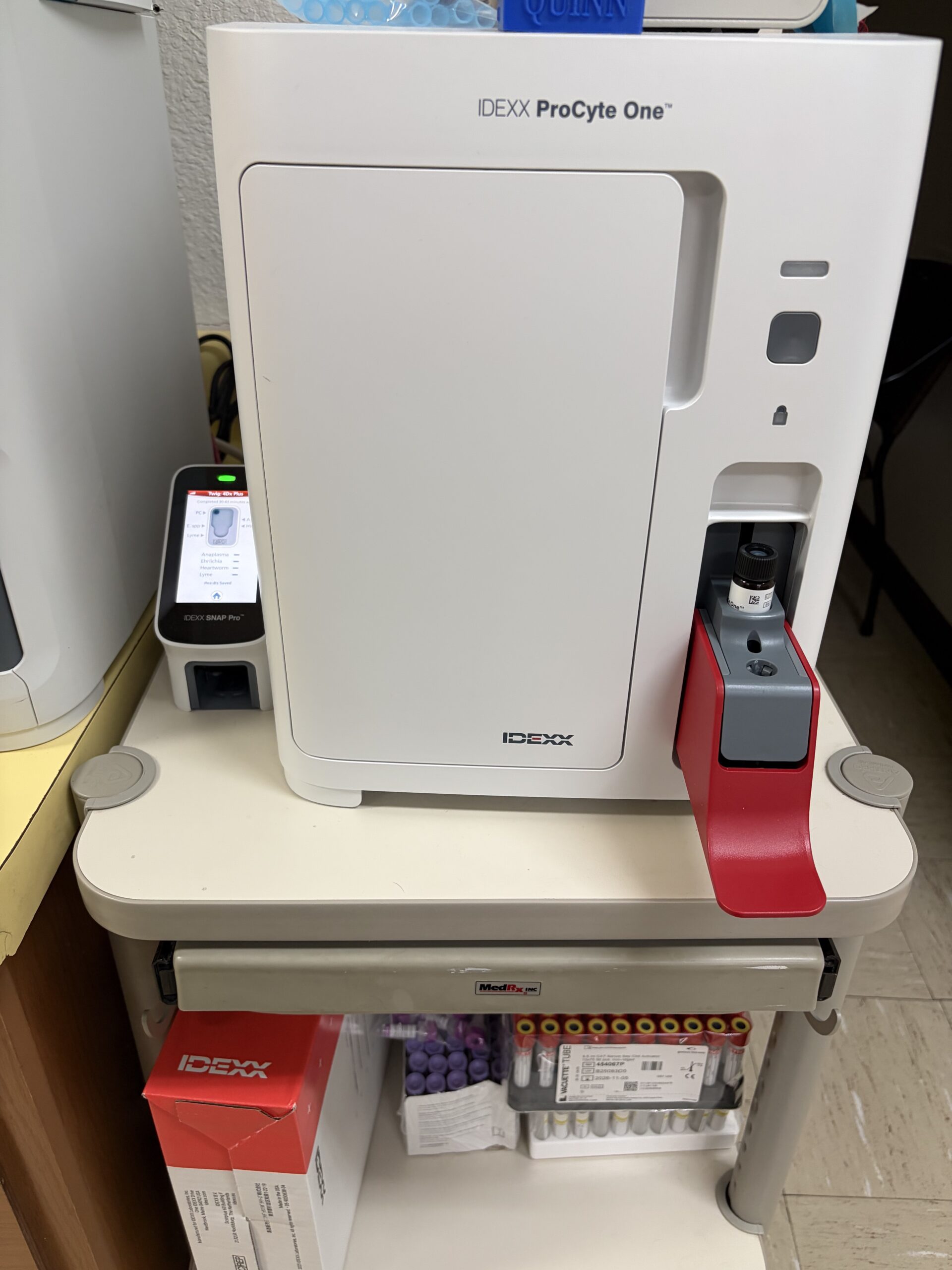
Explore our veterinary diagnostics and blood work services, our recent article on urgent pet lab testing in Cave Creek, and our abdominal ultrasound guide.
How is hematochezia treated?
Treatment depends on the cause. Stable cases might need diet adjustments, parasite treatment, targeted medications, or monitoring. Patients with substantial fluid loss may require IV fluids, anti-nausea treatment, further testing, or hospitalization. Suspected obstruction, bleeding disorders, severe infection, or circulatory instability may require emergency or specialty referral.
Local Veterinary Care
Bloody Diarrhea or Blood in Pet Stool Near Cave Creek, Carefree, Terravita and Dove Valley Ranch
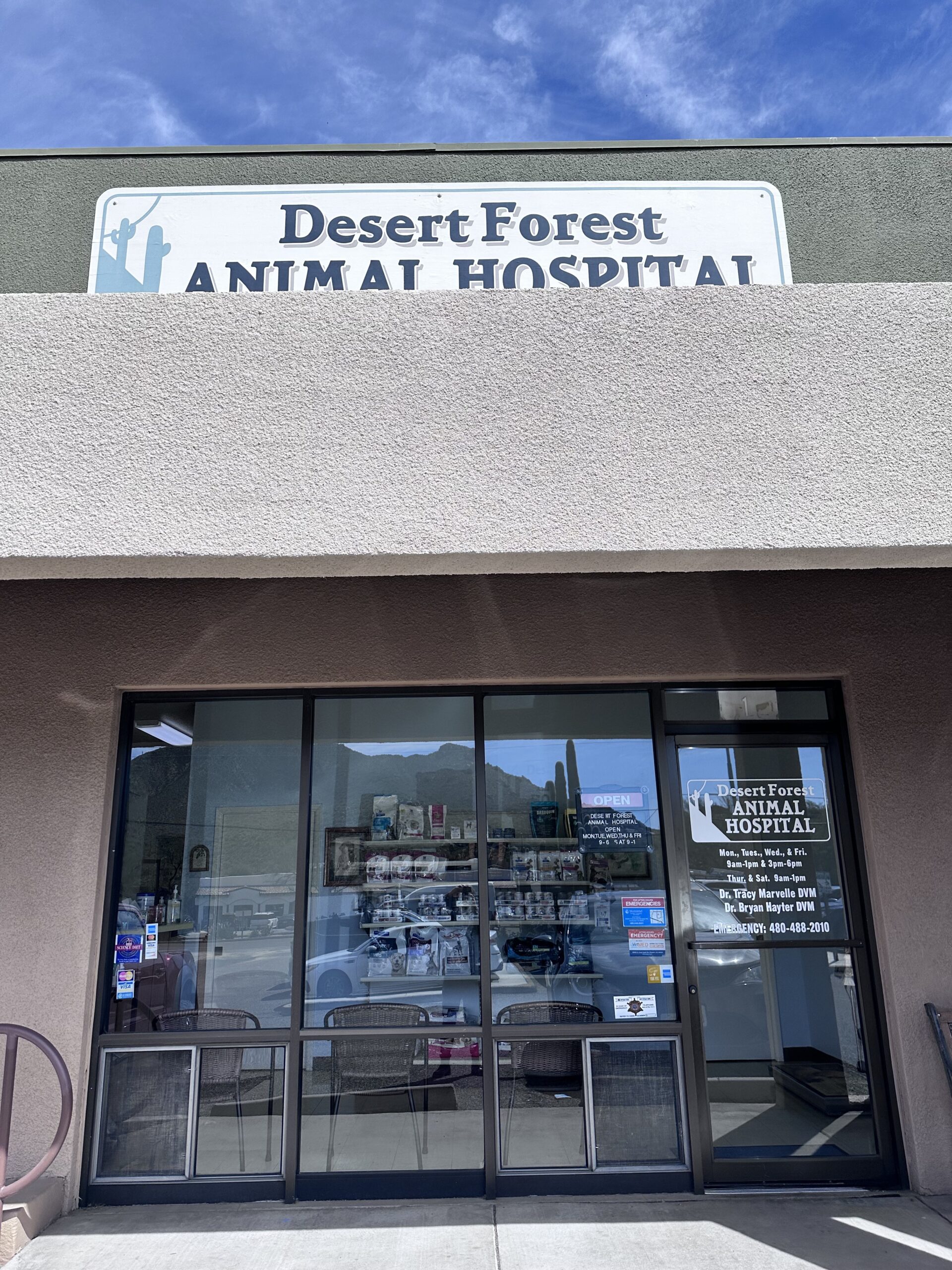
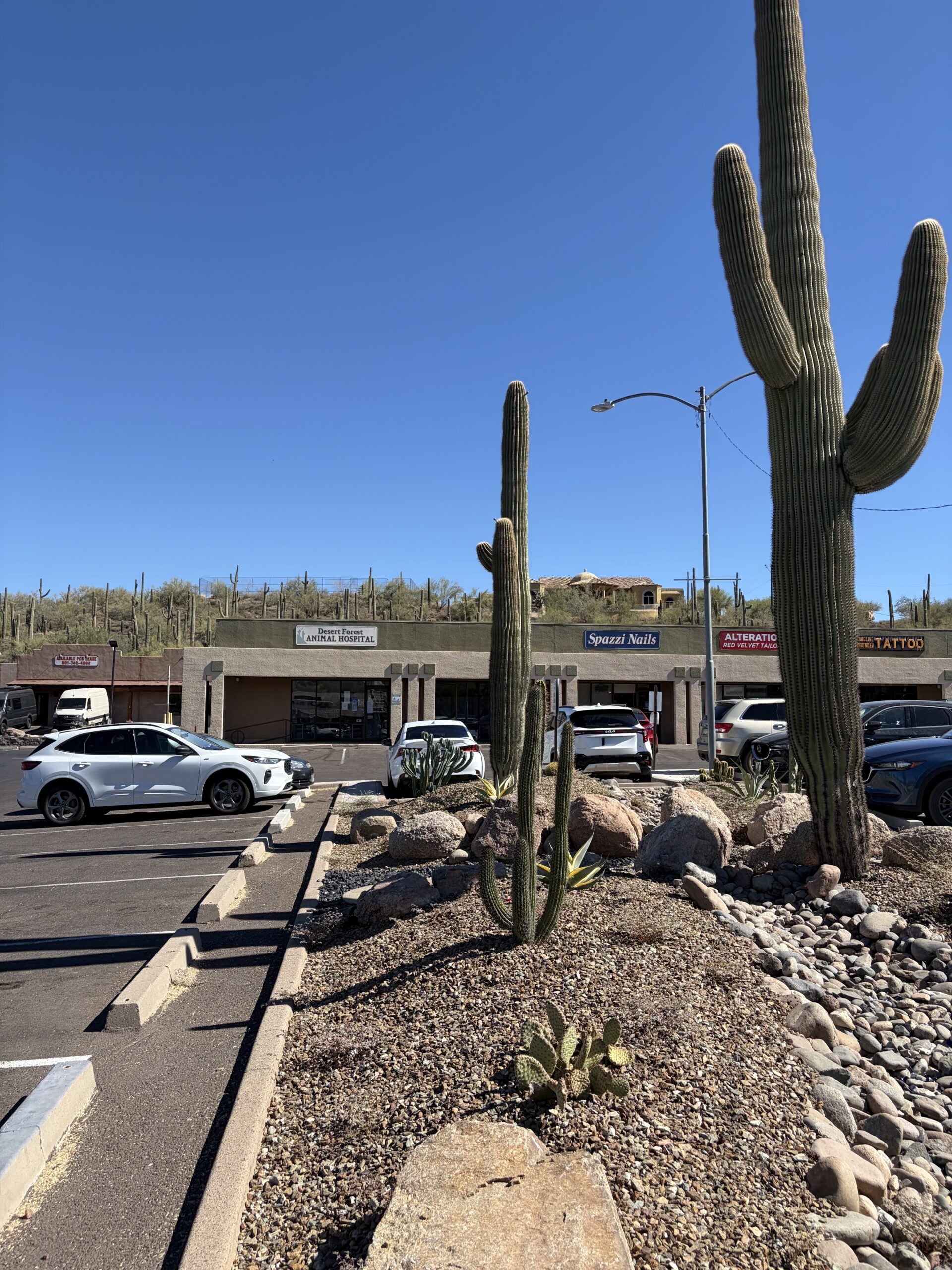
Desert Forest Animal Hospital is an independently owned dog-and-cat veterinary hospital in Cave Creek at 6554 E Cave Creek Road. We welcome families searching for a nearby veterinarian from Carefree, Terravita, Dove Valley Ranch, Desert Mountain, Tatum Ranch, and North Scottsdale.
If you are searching for a vet near me for a dog with bloody diarrhea, the first priority is the pet’s condition—not simply the closest listing on a map. For stable patients during business hours, call DFAH to ask about same-day availability. For severe bleeding, collapse, markedly pale gums, or other life-threatening signs, use an appropriate emergency veterinary hospital without delaying care.
In the Sonoran Desert, vomiting and diarrhea can add to concerns about fluid balance, especially with heat exposure or reduced water intake. Arizona heat does not itself cause hematochezia or AHDS. Our Sonoran Desert pet-safety guide covers additional regional hazards.
For more location-specific information, visit our veterinarian near Carefree guide and Desert Mountain veterinary care guide. We operate one hospital in Cave Creek, not separate facilities in those communities.
Frequently Asked Questions
Blood in Dog or Cat Stool: Common Questions
My dog has a small streak of bright red blood but acts normal. Can I wait?
A small streak may have a less serious cause, such as local irritation or colitis, but appearance does not establish a diagnosis. Contact your veterinarian promptly for guidance, especially if bleeding is new, repeated, or increasing.
Why is my dog passing blood and jelly-like mucus?
Mucus and fresh blood often accompany large-bowel inflammation. Sudden profuse red or jelly-like diarrhea raises concern for more serious disease, including AHDS. Contact a veterinarian promptly; severe symptoms require emergency care.
Can stress or a sudden food change cause blood in my dog’s poop?
They can contribute to colitis and diarrhea, occasionally with fresh blood. Do not assume stress or diet is the cause without considering parasites, infections, and other medical problems.
Can intestinal worms or Giardia cause bloody stool?
Some parasites are associated with intestinal inflammation, mucus, diarrhea, or bleeding. The suspected organism and symptoms determine which fecal tests and treatment are appropriate.
Is black, tarry stool the same thing as hematochezia?
No. Hematochezia is visible fresh blood. Melena is dark, tarry stool that may reflect digested blood. Both warrant veterinary attention, particularly when a pet is ill.
Can a cat have hematochezia without diarrhea?
Yes. Blood may be seen on formed stool or with mucus and diarrhea. A veterinarian may consider constipation or rectal irritation as well as colitis, parasites, or other conditions. Call if bleeding is present.
Can I give my pet Pepto-Bismol, Imodium or antibiotics?
Do not give human antidiarrheals, pain medications or leftover antibiotics unless directed by a veterinarian. Some medications are inappropriate or potentially harmful, and treatment must address the underlying cause.
What should I bring to my pet’s appointment?
Bring a photo of the stool, a fresh stool sample if requested, current medication and diet information, and details about the timing and frequency of symptoms. Bring possible toxin or medication packaging if exposure is suspected.
Does DFAH offer same-day appointments for bloody diarrhea?
Same-day urgent evaluation for stable dogs and cats may be available during regular hours, depending on staffing, case volume, and medical needs. Call (480) 488-2010 before coming in. DFAH is not a 24-hour emergency hospital.
Independent Veterinary Sources
Clinical References and Further Reading
These independent veterinary resources support the article’s distinction between colitis, AHDS, gastrointestinal bleeding, diarrhea, and urgent warning signs:
Call Before Coming In
Worried About Blood in Your Pet’s Stool?
Call Desert Forest Animal Hospital to discuss your dog’s or cat’s symptoms and ask whether a same-day appointment is available. We can help determine whether the concern is appropriate for our hospital or needs immediate emergency evaluation.
Desert Forest Animal Hospital
6554 E Cave Creek Road, Cave Creek, AZ 85331
Monday–Friday: 9:00 AM–6:00 PM · Saturday–Sunday: Closed
For severe bleeding, collapse, pale gums, difficulty breathing, or other life-threatening symptoms, seek immediate veterinary emergency care instead of waiting for an online reply.
Medical Review & Editorial Standards
Published by: Desert Forest Animal Hospital Veterinary Education Team.
Clinical reviewer: Bryan William Hayter, DVM, Owner & Medical Director, Desert Forest Animal Hospital. Dr. Hayter earned his DVM from Auburn University College of Veterinary Medicine and provides medical leadership for the practice. Learn about our veterinary team.
Originally published: October 23, 2026.
Editorial update: November 6, 2026.
Medical-review status: This November 2026 revision is awaiting Dr. Hayter’s final clinical approval. A new completed review date should not be posted until he has reviewed and approved this version.
This content is general veterinary education and does not diagnose an individual pet or replace an examination, testing, or individualized treatment. If your dog or cat is critically ill, seek emergency veterinary attention without delay.