
Gastrointestinal Surgery & Urgent Veterinary Evaluation
Foreign Body Surgery for Dogs & Cats in Cave Creek, AZ
Did your dog swallow a sock, toy, bone, or piece of fabric? Is your cat vomiting after playing with string, ribbon, or thread? A swallowed object can sometimes pass safely, but it can also become trapped in the stomach or intestines and cause a potentially life-threatening obstruction.
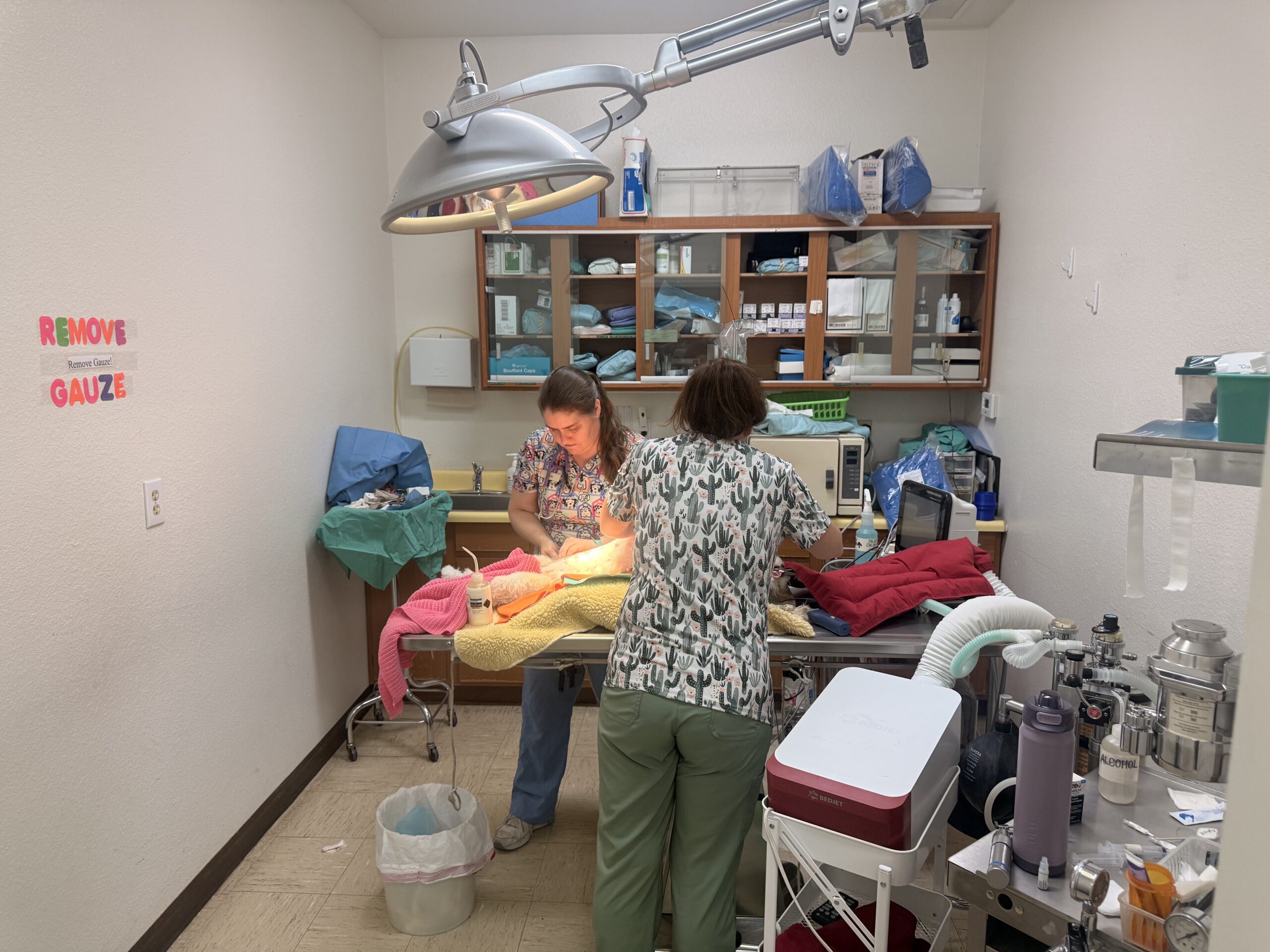
At Desert Forest Animal Hospital, our veterinary team evaluates suspected gastrointestinal foreign bodies in dogs and cats using physical examination, diagnostic imaging, blood work, and individualized medical judgment.
We provide evaluation for selected abdominal surgical conditions in Cave Creek, Arizona. Whether your pet needs careful monitoring, surgery, or referral to an emergency or specialty hospital depends on the severity of the obstruction and your pet’s condition.
Serving Cave Creek, Carefree, Desert Mountain, North Scottsdale, Terravita, Tatum Ranch, and Dove Valley Ranch.
Suspect Your Pet Has an Intestinal Blockage? Call Now.
Repeated vomiting, severe abdominal pain, marked lethargy, weakness, collapse, or an enlarging painful abdomen requires prompt veterinary attention. Suspected ingestion of string, a sharp object, a battery, or another potentially hazardous item also warrants immediate advice, even before symptoms appear.
Call (480) 488-2010 during hospital hours so our team can help triage the situation. For severe illness, an unstable pet, or a problem outside hospital hours, seek a 24-hour veterinary emergency facility. DFAH is not a 24-hour emergency hospital.
Understanding Intestinal Obstruction
What Is a Gastrointestinal Foreign Body?
A gastrointestinal (GI) foreign body is an object or material swallowed by a pet that cannot be digested normally or does not pass readily through the digestive tract. It can remain in the stomach, become lodged in the small intestine, or cause damage as it travels.
Partial obstruction means some intestinal contents may still move around the material. Complete obstruction means normal passage is effectively blocked. Either situation can become serious, especially when the object damages the intestinal wall or compromises its blood supply.
Pressure, inflammation, and restricted circulation may cause intestinal tissue to deteriorate. In severe cases, perforation can allow intestinal bacteria and contents to leak into the abdomen, resulting in peritonitis, sepsis, or shock. Early veterinary assessment is important because pets may not appear critically ill at first.
Common Objects Swallowed by Dogs and Cats
Dogs: Toys, Socks, Bones & More
Dogs may swallow socks, underwear, towels, plush-toy stuffing, rubber balls, squeakers, plastic pieces, food wrappers, bones, corn cobs, rocks, or pieces of chewed household objects.
Cats: String, Ribbon & Thread
Cats may ingest sewing thread, yarn, ribbons, dental floss, hair ties, rubber bands, tinsel, or small toy parts. Long strands can become anchored and cause the intestines to bunch together.
A particularly concerning problem is a linear foreign body, such as string or ribbon. As intestinal contractions move around the strand, the bowel can fold or plicate, increasing the risk of injury and perforation. Cats are especially vulnerable to this type of foreign body.
Recognize the Warning Signs
Symptoms of an Intestinal Blockage in Dogs and Cats
Symptoms depend on the size, location, and type of object, whether the obstruction is partial or complete, and how long the problem has been present.
Signs That Need Veterinary Evaluation
- Repeated vomiting or vomiting after eating or drinking
- Loss of appetite or refusal to eat
- Abdominal pain, tension, or sensitivity
- Hunched posture or reluctance to move
- Lethargy, hiding, or unusual behavior
- Dehydration or dry, tacky gums
- Diarrhea or abnormal stool production
- Straining to defecate or passing very little stool
- Abdominal swelling or bloating
- Weakness, pale gums, or collapse in severe cases
Can a Pet Still Have a Blockage if It Poops?
Yes. A pet with a partial intestinal obstruction may still pass stool or diarrhea. Even with a more complete obstruction, material already beyond the blockage may be passed initially. Normal-looking stool does not reliably exclude an intestinal foreign body.
Can a Pet Have a Blockage Without Vomiting?
Yes. Vomiting is common, but some pets—especially those with partial or more distal obstructions—may initially show decreased appetite, abdominal discomfort, lethargy, or other less obvious signs.
For other possible causes of gastrointestinal illness, read our guide to vomiting and diarrhea in dogs and cats . Because symptoms overlap, a veterinary examination may be needed to distinguish gastroenteritis, pancreatitis, and intestinal obstruction.
What Pet Owners Should Do
What to Do if Your Dog Swallowed a Toy or Your Cat Ate String
-
Contact a Veterinary Professional Promptly
Explain what your pet may have swallowed, the approximate size and material, when it happened, and whether your pet has vomited or developed other symptoms. Do not wait for repeated vomiting before calling.
-
Do Not Induce Vomiting Without Veterinary Instructions
Some objects can injure the esophagus on the way back up. Never give hydrogen peroxide, oil, laxatives, or other home remedies unless specifically directed by a veterinarian.
-
Never Pull String From a Cat’s Mouth or Rectum
If thread, ribbon, or floss is visible, pulling may tighten it against intestinal tissue and cause serious injury. Seek veterinary care promptly.
-
Follow Veterinary Feeding and Transportation Instructions
Because sedation, anesthesia, or urgent surgery may be necessary, ask the veterinarian whether to withhold food or water. Do not force food, water, or medication into a vomiting pet.
-
Bring Useful Information
If safe, bring an identical toy, remaining fragments, the object packaging, or a photograph showing its size. Tell the team about existing health conditions, medications, and any recent attempts at home treatment.
Examination & Diagnostic Imaging
How Veterinarians Diagnose a Foreign Body or Intestinal Obstruction
Diagnosing a swallowed object involves combining the medical history and physical findings with appropriate testing. Some objects are directly visible on X-rays; others, including certain fabrics and plastics, may not be. A normal or inconclusive radiograph does not exclude every obstruction.
1. Physical Examination
The veterinarian assesses hydration, circulation, abdominal pain, distension, body temperature, and overall stability. The mouth may also be checked for visible string or other foreign material.
2. Blood Work & Electrolytes
Complete blood counts and chemistry testing may identify dehydration, electrolyte imbalances, inflammation, anemia, or organ-related concerns. These findings help guide stabilization and anesthetic planning.
3. Digital Abdominal X-Rays
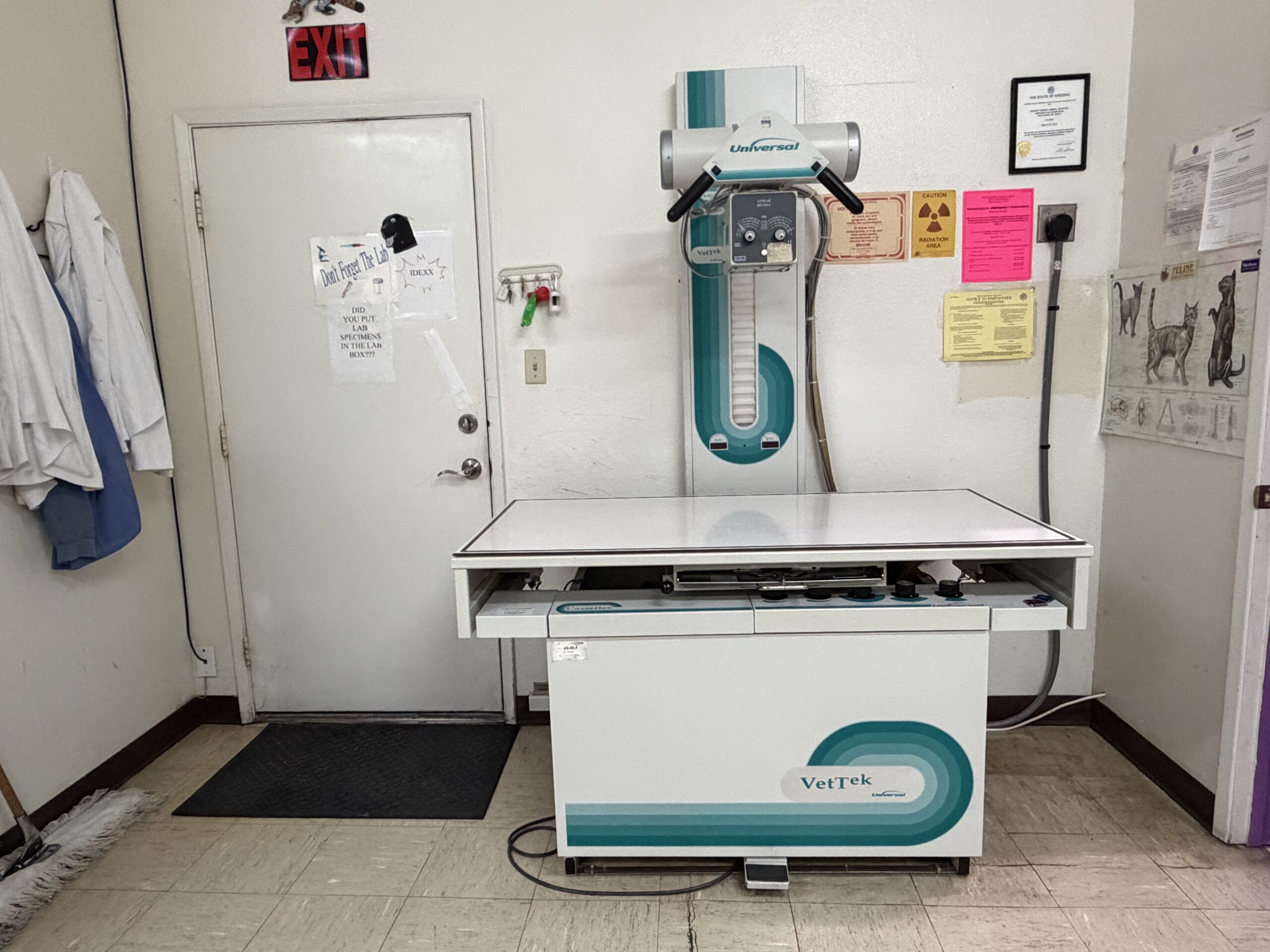
Abdominal radiographs may reveal a visible object, abnormal gas or fluid distension, altered bowel patterns, or findings suggestive of obstruction. Additional views or specialist interpretation may be useful.
4. Abdominal Ultrasound
Ultrasound may help identify foreign material, abnormal intestinal movement, bowel-wall changes, free abdominal fluid, and other findings that are difficult to characterize with X-rays alone.
Why an X-Ray May Not Show the Object Itself
Materials such as metal and some bones may be visible on radiographs, while soft fabric, certain plastics, and string may be difficult to see directly. The veterinarian may instead detect abnormal intestinal distension or a suspicious gas pattern.
Learn more about veterinary X-rays in Cave Creek and abdominal ultrasound for dogs and cats .
When Are Contrast X-Rays Used?
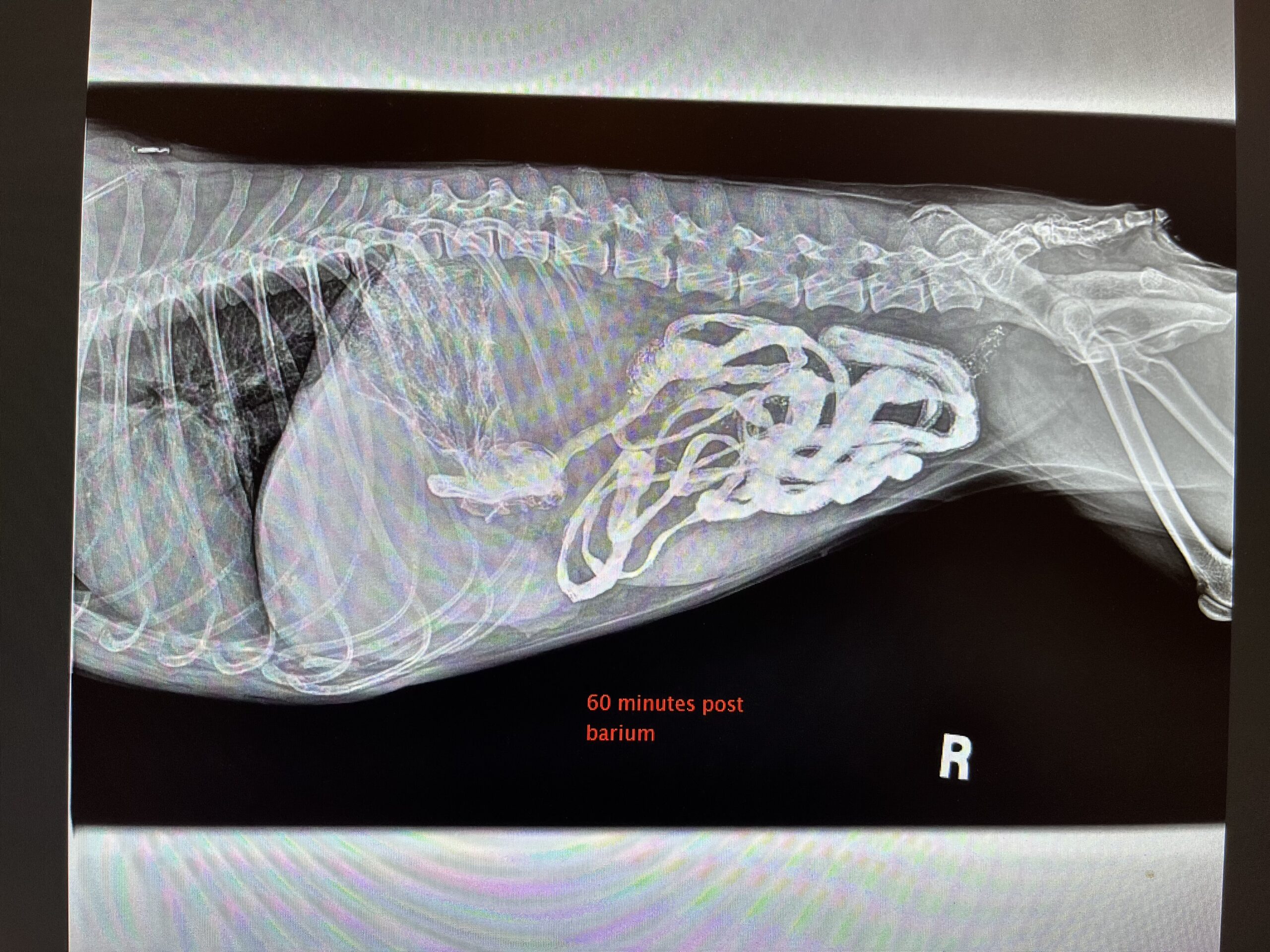
In selected stable patients with inconclusive routine imaging, a veterinarian may recommend a contrast study to evaluate movement through the gastrointestinal tract. These studies involve carefully selected contrast material and serial radiographs at planned intervals.
Contrast studies are not appropriate for every pet. In particular, suspected gastrointestinal perforation changes which contrast agents may be appropriate. Imaging choices must not delay necessary emergency treatment.
Our in-house veterinary laboratory and diagnostic services support timely decisions for stable urgent-care patients. Additional imaging, emergency treatment, or referral may be recommended based on the findings.
Individualized Treatment Decisions
Does Every Swallowed Object Require Surgery?
No. Certain small, smooth objects may pass through the digestive tract without surgical intervention. However, determining whether this is a reasonable option requires veterinary evaluation—not simply waiting at home for an object to appear in the stool.
When Monitoring May Be Considered
In carefully selected, clinically stable pets, a veterinarian may recommend supportive care, hydration, and repeat imaging to monitor whether an object is progressing normally. Lack of movement, worsening symptoms, or evidence of tissue injury changes the treatment plan.
When Endoscopic Removal May Be Possible
Some objects located within the stomach or upper digestive tract can be retrieved with an endoscope, which uses a small camera and specialized instruments. Availability depends on the object, its position, and access to appropriate equipment and expertise.
If endoscopic removal is the preferred option and is not available at our hospital, we can discuss referral.
When Surgery Is Necessary
Surgical exploration may be recommended when a foreign body causes a significant obstruction, does not progress, cannot be retrieved by less invasive means, or has produced concerning intestinal changes. Linear foreign bodies, severe abdominal pain, suspected perforation, or deteriorating clinical condition can make timely surgery particularly important.
Abdominal Surgery Explained
What Happens During Foreign Body Removal Surgery?
The operation depends on where the object is located and whether the digestive tract is healthy enough to be repaired without removing damaged tissue. The surgeon evaluates the relevant organs and bowel during the operation, and the final procedure may differ from the initial plan.
Gastrotomy — Removing an Object From the Stomach
A gastrotomy involves making a controlled incision into the stomach to remove foreign material. After the object is retrieved, the stomach is closed and the patient receives appropriate postoperative monitoring.
Enterotomy — Removing an Object From the Intestine
An enterotomy involves opening a section of intestine to remove an obstructing object. The veterinarian examines the surrounding bowel for damage and closes the incision when tissue integrity permits.
Intestinal Resection & Anastomosis
If a section of intestine is severely damaged, perforated, or no longer viable, it may need to be removed. The remaining healthy segments are then surgically reconnected. This can increase the complexity and monitoring needs of the case.
Exploratory Abdominal Surgery
Sometimes imaging strongly suggests an obstruction but does not establish its precise cause. Surgical exploration allows direct evaluation of the stomach, intestines, and surrounding abdominal structures when medically indicated.
Desert Forest Animal Hospital evaluates selected abdominal and soft-tissue surgical cases. Not every obstruction is appropriate for surgery in a general practice hospital. Patients requiring complex procedures, advanced critical care, specialty expertise, or overnight intensive monitoring may be referred to a 24-hour emergency or specialty facility.
For an overview of our broader surgical services, visit pet surgery at Desert Forest Animal Hospital .
Patient Safety
Anesthesia, Stabilization & Surgical Monitoring
Pets with gastrointestinal obstructions may be dehydrated, painful, nauseated, or affected by electrolyte and acid-base imbalances. These problems can influence the risks of anesthesia and surgery.
When clinically appropriate, treatment before surgery may involve intravenous fluids, pain relief, correction of significant electrolyte disturbances, and other stabilization measures. An emergency patient may require rapid intervention rather than lengthy preoperative preparation.
Our approach to surgical care emphasizes individualized anesthetic assessment, appropriate monitoring, pain management, and attention to the recovery period. A patient’s age, underlying medical conditions, hydration status, and the complexity of the operation all influence the treatment plan.
The American Animal Hospital Association’s anesthesia and monitoring guidelines explain the importance of preparation, patient-specific planning, monitoring, and postoperative care.
Healing After Abdominal Surgery
Recovery After Foreign Body Surgery in Dogs and Cats
Recovery depends on the type of operation, the condition of the intestinal tissue, the presence or absence of contamination or infection, and the pet’s overall health before treatment.
Pets undergoing abdominal surgery may need continued fluid therapy, pain control, nausea management, nutritional support, laboratory monitoring, and observation for complications. Some patients require hospitalization beyond the day of surgery.
Because DFAH does not provide 24-hour intensive-care monitoring, patients requiring overnight support may need a coordinated transfer to an appropriately staffed emergency or specialty hospital.
At-Home Recovery Instructions May Include:
- Giving prescribed medications exactly as directed
- Following an individualized feeding and hydration plan
- Providing small meals when specifically instructed
- Preventing running, jumping, rough play, and strenuous activity
- Using an Elizabethan collar or recovery garment if advised
- Keeping the incision clean and monitoring for swelling or discharge
- Attending recommended recheck appointments
- Watching carefully for changes in appetite, energy, and comfort
Warning Signs After Intestinal Surgery
Contact a veterinarian immediately for repeated vomiting, new or worsening abdominal pain, significant lethargy, fever, an enlarged abdomen, poor appetite that worsens, incision drainage, or sudden deterioration.
One serious complication is intestinal dehiscence, in which a surgically closed section of the gastrointestinal tract leaks. This can cause life-threatening abdominal infection and often requires emergency treatment. Leakage risk is particularly important during the first several days after intestinal surgery.
What Is the Prognosis?
Many dogs and cats recover well when a foreign body is recognized and treated before extensive damage occurs. Prognosis becomes more guarded when there is intestinal perforation, severe tissue damage, peritonitis, sepsis, shock, or significant underlying disease. No outcome can be guaranteed.
Clear Treatment Planning
How Much Does Foreign Body Surgery Cost in Cave Creek?
The cost of treating a swallowed object varies considerably because different patients require different levels of care. A stable pet requiring examination and imaging has different needs from a pet with a complete intestinal obstruction, severe dehydration, or perforated bowel.
Factors that influence the total cost may include:
- Initial examination and emergency assessment
- Abdominal radiographs and ultrasound when indicated
- Blood work and electrolyte testing
- Intravenous fluid therapy and stabilization
- Type and complexity of the surgical procedure
- Duration of anesthesia and monitoring
- Pain control and postoperative medications
- Hospitalization, additional testing, or specialty transfer
- Complications requiring additional treatment
We aim to explain recommended diagnostics, potential treatment options, and available estimates as the medical picture becomes clearer. Emergency findings may change the anticipated course of treatment.
For more information about available payment options, contact our team before the visit when circumstances permit. Emergency veterinary evaluation should not be delayed solely to obtain an online quote.
Independent Veterinary Care in the North Valley
Foreign Body Evaluation Near Carefree, Desert Mountain & North Scottsdale
Desert Forest Animal Hospital is an independently owned veterinary practice located at 6554 E Cave Creek Road, Cave Creek, AZ 85331. Our hospital has served the Cave Creek community since 1984.
We welcome dog and cat owners from Cave Creek, Carefree, Desert Mountain, Terravita, Tatum Ranch, Dove Valley Ranch, Desert Hills, and surrounding North Scottsdale neighborhoods.
Our veterinary team, led by owner and medical director Bryan Hayter, DVM, focuses on careful medical assessment, practical diagnostic recommendations, clear client communication, and treatment choices appropriate to each patient.
Why Local Diagnostic Access Matters
A dog with repeated vomiting or a cat suspected of swallowing string may need more than a routine examination. Access to blood work and imaging can help a veterinarian determine whether the problem can be evaluated and managed locally or requires emergency surgery and specialty care.
Our team emphasizes appropriate triage, timely evaluation, and referral when another facility can provide a safer level of care.
Learn more about our hospital and veterinary team or review our same-day urgent veterinary care .
Preventing Repeat Ingestion
How to Help Prevent a Future Foreign Body Emergency
Some dogs and cats repeatedly seek out and swallow non-food objects. Reducing access to hazardous items can help lower the risk of another obstruction.
- Keep socks, underwear, towels, and small clothing items secured.
- Choose toys appropriate for your pet’s size and chewing habits.
- Remove toys with loose stuffing, damaged squeakers, or broken pieces.
- Store sewing thread, ribbon, yarn, floss, and hair ties away from cats.
- Keep corn cobs, bones, wrappers, and food waste in secure trash containers.
- Supervise pets with unfamiliar toys and enrichment items.
- Discuss repeated non-food ingestion or pica with your veterinarian.
Preventive strategies should be individualized. Some pets with recurrent ingestion behaviors may benefit from behavioral evaluation and a structured environmental-management plan.
Frequently Asked Questions
Foreign Body Surgery FAQs
My dog swallowed a sock but seems fine. Should I wait?
Call a veterinarian promptly. A pet can appear comfortable shortly after swallowing an object that later causes an obstruction. Whether monitoring or removal is recommended depends on the object’s size, location, material, and the pet’s condition.
Can a dog pass an intestinal blockage naturally?
Some small, smooth objects may pass without surgery, but a true persistent obstruction can damage the bowel. Veterinary evaluation and sometimes repeat imaging are needed to determine whether observation is safe.
Can a cat get an intestinal blockage from string?
Yes. Long strands can become anchored under the tongue or in the digestive tract, causing intestinal plication, tearing, and sometimes perforation. Never pull visible string from the mouth or rectum.
Will an abdominal X-ray always show a swallowed object?
No. Some materials are not readily visible on routine X-rays. Veterinarians also look for changes in gas distribution, intestinal diameter, and other signs of obstruction. Ultrasound or additional testing may be recommended.
Can an intestinal obstruction cause diarrhea instead of constipation?
Yes. Some pets with partial obstruction can pass diarrhea or small amounts of stool. Stool production alone cannot rule out a gastrointestinal foreign body.
Does a stomach foreign body always require abdominal surgery?
Not always. In selected cases, an object can be safely monitored or retrieved endoscopically. Other objects require gastrotomy or a different surgical procedure. Your veterinarian determines the safest approach.
How long does recovery take after intestinal foreign body surgery?
Recovery varies with the operation and any complications. Pets may require postoperative hospitalization, followed by restricted activity, incision care, medications, feeding instructions, and rechecks. Your veterinarian will provide a patient-specific plan.
Can Desert Forest Animal Hospital perform emergency foreign body surgery?
We evaluate suspected gastrointestinal foreign bodies and selected abdominal surgical conditions during regular hospital hours when staffing and medical circumstances permit. Some patients may be treated at DFAH; others need immediate referral to a 24-hour emergency or specialty surgical facility. Please call before traveling to our hospital.
Is foreign body surgery available overnight or on weekends?
DFAH is not a 24-hour emergency hospital. Our regular hospital hours are Monday through Friday, 9:00 a.m. to 6:00 p.m.; we are closed weekends. An unstable pet or one needing emergency care outside those hours should go directly to an appropriate 24-hour veterinary emergency hospital.
Veterinary Medical References
Evidence-Based Resources for Pet Owners
The following veterinary resources provide additional information about gastrointestinal foreign bodies, intestinal obstruction, and surgical treatment.
- American College of Veterinary Surgeons: Gastrointestinal Foreign Bodies
- Merck Veterinary Manual: Gastrointestinal Obstruction in Small Animals
- American Animal Hospital Association: Anesthesia and Monitoring Guidelines for Dogs and Cats
This page provides general veterinary education and does not replace examination, diagnosis, or individualized medical recommendations from your veterinarian.
Help for Sick Dogs & Cats in Cave Creek
Concerned Your Pet Swallowed Something?
Vomiting after swallowing a toy, sock, string, bone, or another object should not be ignored. Early assessment can help identify a possible intestinal obstruction and determine the safest next step.
Call Desert Forest Animal Hospital for guidance during regular hours. Our team will help determine whether we can appropriately evaluate your pet or whether immediate emergency referral is needed.
Desert Forest Animal Hospital
6554 E Cave Creek Road
Cave Creek, AZ 85331
Monday–Friday: 9 a.m.–6 p.m.
Saturday–Sunday: Closed
Life-threatening symptoms require immediate emergency care. Do not delay treatment to complete an online form or wait for a routine appointment.