
Individualized Reproductive Health Care
Spay & Neuter Surgery in Cave Creek, AZ
When should you spay or neuter your dog or cat? The best answer depends on more than age alone.
Desert Forest Animal Hospital provides spay and neuter surgery for dogs and cats, with recommendations based on species, breed, sex, expected adult size, reproductive risks and health.
Our veterinarians help families weigh the benefits of preventing unwanted pregnancy and reproductive disease against the possible effects of sterilization at different ages.
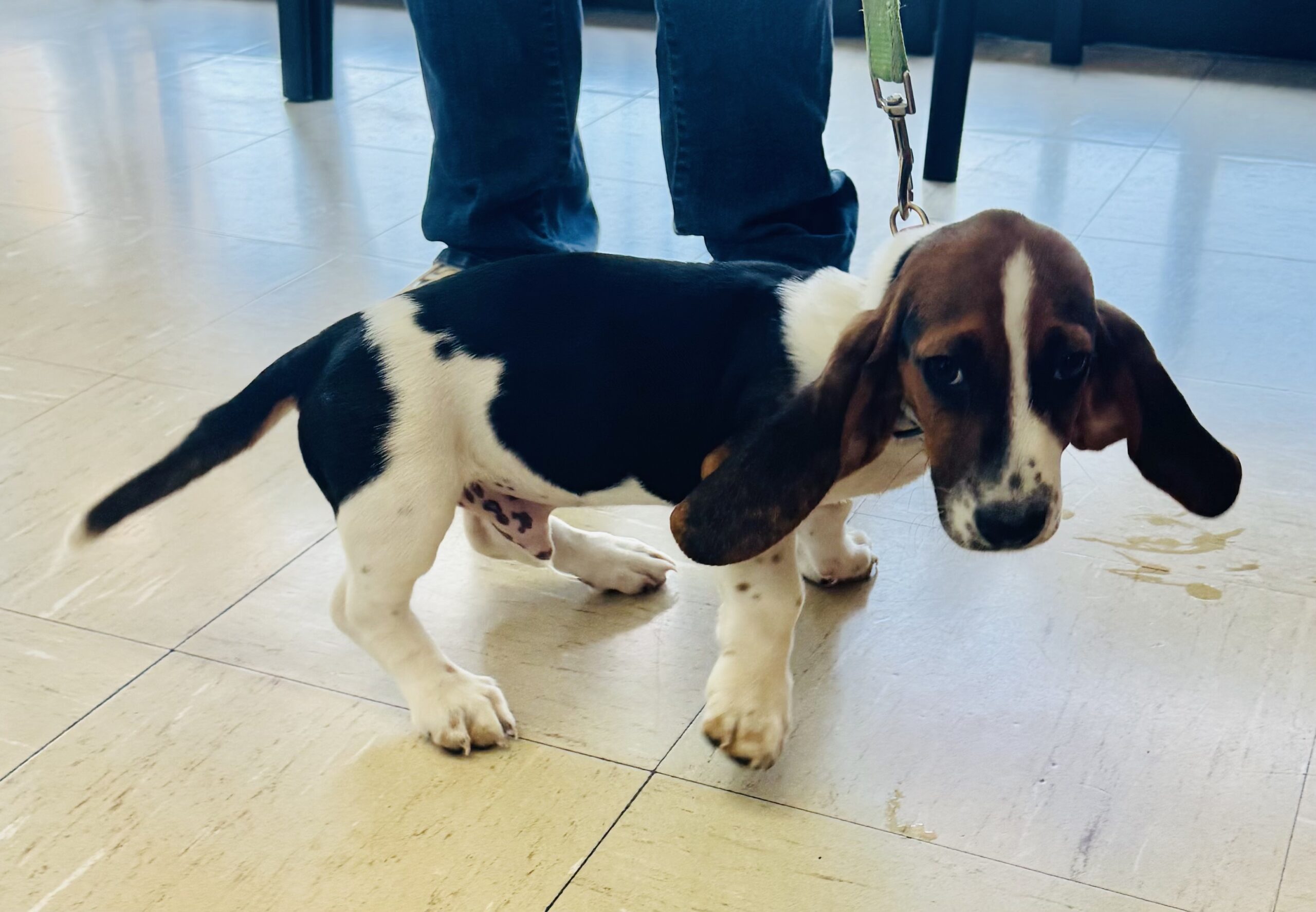
A Personalized Decision
There Is No Single Best Spay or Neuter Age for Every Dog
For many years, spaying and neutering at approximately six months of age was a standard recommendation for dogs.
Current research has made the decision more nuanced. Some studies have found associations between earlier sterilization and particular orthopedic conditions or cancers in certain breeds and sexes.
Other breeds have not shown the same associations. Studies can also differ in design, patient populations and the medical outcomes evaluated.
Delaying sterilization may reduce certain risks for some dogs while increasing exposure to other risks, including unintended pregnancy, pyometra in intact females, or other reproductive disease.
Our Approach at Desert Forest Animal Hospital
We do not automatically recommend six months for every dog, or 18–24 months for every large dog.
We discuss the individual patient’s circumstances and the strength and limitations of the available evidence.
The goal is not simply to delay surgery or perform it as early as possible. It is to choose a medically reasonable plan.
The Question Most Owners Ask
When Should I Spay or Neuter My Dog or Cat?
The following ages are discussion starting points, not universal surgical deadlines. Your veterinarian may recommend a different plan after examining your pet and reviewing its medical history.
At a Glance
Spay and Neuter Timing Recommendations
Cats: For most healthy cats not intended for breeding, veterinary guidance supports spaying or neutering by approximately five months.
Dogs: Age depends on breed, size, sex, maturity, disease risks and the household’s ability to prevent breeding.
A decision for a young small-breed dog may differ considerably from the decision for a growing Great Dane, Golden Retriever or mixed-breed dog.
| Pet | Timing to Discuss | Important Considerations |
|---|---|---|
| Female cats | By approximately five months for most healthy nonbreeding cats | Early pregnancy is possible. Spaying prevents pregnancy, heat cycling and typical pyometra. |
| Male cats | By approximately five months for most healthy nonbreeding cats | Prevents reproduction and may reduce hormone-driven spraying, roaming and fighting. |
| Smaller dogs | Traditionally around five to six months under older AAHA guidance; later timing may also warrant discussion | Breed, sex, individual risk, first heat, household circumstances and evolving recommendations matter. |
| Larger dogs | Delaying until physical maturity, often approximately 9–24 months depending on breed and sex, may be considered | Joint development, breed-associated disease risks, reproductive health and unintended pregnancy must be balanced. |
| Adult dogs or cats | Based on current health, reproductive status and medical need | Older age alone does not determine whether sterilization is appropriate. Examination and anesthesia planning are important. |
These general ranges reflect different professional approaches rather than a single worldwide standard. AAHA’s 2019 canine recommendations, UC Davis’s updated breed-specific research, the 2024 WSAVA guidelines and the 2026 BVA/BSAVA policy do not recommend an identical age for every dog.
Why the Guidelines Are Not Identical
The 2019 AAHA Canine Life Stage Guidelines used projected adult body weight when discussing earlier sterilization for smaller dogs and later sterilization for larger dogs.
The 2024 UC Davis research examined breed- and sex-specific associations between sterilization timing and selected cancers and joint disorders.
In March 2026, the British Veterinary Association and British Small Animal Veterinary Association issued updated guidance emphasizing individual assessment, greater caution with early dog neutering, and consideration of physical maturity.
Those organizations generally discussed 12–23 months for female dogs, depending on breed and maturity, and case-by-case decisions for male dogs.
These are different professional perspectives, not a reason to treat one timeline as appropriate for every pet.
Review the AAHA canine timing guidance , UC Davis’s updated breed research , and the 2026 BVA/BSAVA guidance .
Canine Reproductive Health
When Should a Female or Male Dog Be Sterilized?
Female Dogs: Spay Timing and Heat Cycles
Spaying prevents pregnancy and, when ovarian tissue is completely removed, prevents normal reproductive heat cycling and typical pyometra associated with ovarian hormones.
A potentially important benefit of earlier spaying is reducing exposure to hormonal influences associated with mammary tumors.
However, the strength of the mammary-cancer evidence varies, and timing may also influence other health outcomes.
In selected breeds, delaying spay may be discussed because of orthopedic development or other concerns.
Does My Female Dog Need to Have a Heat First?
No. There is no universal medical requirement that a female dog experience a heat cycle or have a litter before spaying.
Can a Dog Be Spayed While in Heat?
Spaying during a heat cycle is possible in some circumstances, but reproductive tissues may have increased blood supply, which can affect surgical planning and risk.
For elective procedures, a veterinarian may recommend scheduling after the heat has resolved.
If You Decide to Delay Spaying
Preventing unintended pregnancy becomes especially important. Supervise contact with other dogs, secure doors and fencing, and avoid unsupervised mating.
Intact female dogs can develop pyometra, a potentially life-threatening uterine infection. Lethargy, vomiting, increased thirst, reduced appetite, abdominal swelling or vaginal discharge warrants prompt veterinary evaluation.
Male Dogs: Does Every Dog Need to Be Neutered?
Neutering removes the testes and prevents reproduction. It eliminates the risk of future tumors arising in removed testicular tissue.
It can also help manage benign prostatic hyperplasia, a hormone-dependent enlargement common in older intact male dogs.
Castration may reduce some testosterone-related behaviors, including roaming, urine marking and mounting. Outcomes vary among individual dogs.
Neutering is not a reliable treatment for all aggression, fear, anxiety or reactivity.
Does Neutering Prevent Prostate Cancer?
No. Neutering is effective in managing benign hormone-dependent prostate enlargement, but it does not prevent canine prostatic cancer.
What About Large and Giant Dog Breeds?
Larger dogs may continue skeletal development longer than smaller breeds. For some breeds, earlier removal of gonadal hormones has been associated with selected orthopedic disorders or cancer outcomes.
These findings are not uniform across all large breeds. A recommendation for one breed should not automatically be applied to another.
Our veterinarians consider projected adult size, breed-specific evidence, activity level, sex, maturity and reproductive risks.
For Mixed-Breed Dogs
A dog’s projected adult size can provide useful context, but size alone cannot establish the best age.
Family history, orthopedic findings, lifestyle, sex and the ability to prevent breeding should also influence recommendations.
Weighing the Evidence
Health Benefits and Possible Trade-Offs
Benefits of Spaying Female Dogs
Prevents pregnancy and reproductive cycling when ovarian tissue is completely removed.
Prevents typical pyometra associated with functioning ovarian tissue.
May lower the risk of mammary tumors, although the degree of protection and effect of timing remain subjects of ongoing research.
Benefits of Neutering Male Dogs
Prevents reproduction and removes the testes, eliminating future testicular tumors in that tissue.
Can reduce benign hormone-dependent prostate enlargement.
May reduce selected sex-hormone-associated behaviors, though behavior change is not guaranteed.
Potential Longer-Term Considerations
Depending on breed and sex, studies have reported associations involving joint disease, selected cancers, urinary incontinence and other conditions.
Spay/neuter can also affect energy needs, making appropriate nutrition and weight monitoring important.
Risks of Remaining Intact
Intact pets can reproduce, even when pregnancy is not intended.
Intact females remain at risk for pyometra and other reproductive conditions.
Intact males may develop testosterone-dependent prostate enlargement or testicular disease.
A Note About Mammary-Cancer Statistics
Pet owners may encounter claims that a female dog spayed before her first heat has a 0.5% risk of mammary cancer, compared with 8% after one heat and 26% after two.
These figures are frequently misunderstood. They originated from older research describing relative risk compared with intact dogs, not the absolute lifetime probability that an individual dog will develop cancer.
Modern reviews have identified limitations in the evidence, including study quality and potential bias.
Earlier spaying may offer meaningful mammary-health benefits for some dogs, but a decision should not rest solely on these historic percentages.
The WSAVA Reproduction Control Guidelines discuss the evidence and other reproductive health considerations.
Feline Reproductive Health
When Should a Kitten Be Spayed or Neutered?
Most healthy cats not intended for breeding should be spayed or neutered by approximately five months of age, according to widely supported feline veterinary guidance.
Cats may become capable of reproducing surprisingly early. Waiting until six months can allow an unintended pregnancy in some cats.
Female Kittens
Spaying prevents pregnancy and reproductive cycling.
Earlier sterilization is associated with reduced mammary carcinoma risk and prevents typical pyometra.
An individual kitten’s weight, health and developmental status are reviewed before surgery.
Male Kittens
Neutering prevents reproduction and may reduce hormone-driven urine spraying, roaming and fighting.
It does not guarantee the elimination of all unwanted behaviors.
A veterinary examination also checks whether the testes have descended.
Does Early Neutering Cause Urinary Blockage in Male Cats?
Available research has not established that neutering a cat before five months increases the risk of urethral obstruction.
Urinary blockage remains a serious medical emergency in male cats, regardless of neuter status. If a cat repeatedly strains to urinate and produces little or no urine, seek immediate veterinary care.
Read the AAHA Fix by Five initiative .
Building the Right Plan
How We Personalize Spay and Neuter Timing
During a wellness consultation, your veterinarian may review several factors.
- Species and sex
- Breed and expected adult weight
- Age and physical maturity
- Previous heat cycles
- Pregnancy risk
- Living arrangements
- Access to intact animals
- Orthopedic history
- Breed-associated health risks
- Behavioral concerns
- Medical conditions
- Current medications
- Responsible breeding plans
- Ability to manage an intact pet
Why a Planning Visit Before Six Months Can Help
Scheduling a discussion early does not mean surgery must occur at that visit.
It allows time to review the relevant evidence, discuss reproductive management and choose an appropriate window before an unintended pregnancy or medical problem changes the plan.
Our preventive veterinary care appointments are a good opportunity for this discussion.
Understanding the Procedure
What Happens During a Spay or Neuter Surgery?
What Is a Spay?
A traditional spay involves removing the ovaries and uterus (ovariohysterectomy). In selected cases, removal of only the ovaries (ovariectomy) may be an appropriate surgical approach.
These procedures stop normal reproductive hormone cycling and prevent pregnancy when performed successfully.
What Is a Neuter?
A routine male neuter, also called castration, involves surgical removal of the testes.
If one or both testes have not descended, surgery may be more complex because the retained testicle may be located in the abdomen or inguinal region.
Pre-Anesthetic Evaluation
We review your pet’s medical history, medications, prior anesthetic experiences and current physical examination findings.
Depending on the patient, we may recommend pre-anesthetic blood work and diagnostic testing .
Testing helps identify conditions that may influence anesthesia or surgical planning, but no test or procedure eliminates all risk.
Individualized Anesthesia and Pain Management
Our veterinary surgical care incorporates patient-specific anesthetic planning, appropriate physiologic monitoring, pain management and postoperative observation.
The plan is adjusted to the patient’s age, size, health status and procedure.
Learn more about veterinary surgery and anesthesia →

Clear Recommendations and Itemized Estimates
Before surgery, we explain the recommended procedure, pre-anesthetic considerations, pain management, anticipated recovery and an itemized estimate for your approval.
We tailor recommendations to your pet’s medical needs and discuss appropriate options in light of your goals and budget—without automatically adding services your pet does not need.
Learn about DFAH payment and financing options .
Comfort and Support
Individualized Care Before and After Surgery
Preparing for a surgical procedure can be stressful for pets and their families.
Our team considers physical comfort and emotional well-being during examinations, handling and postoperative care.
Quinn Bauer, DVM, is individually Fear Free Certified and uses behavior-aware methods intended to reduce fear, anxiety and stress when medically appropriate.
Individual certification does not imply that the entire hospital is a Fear Free Certified Practice.
Depending on the individual patient, care may include gentle handling, reduced unnecessary restraint, thoughtful positioning or pre-visit medication when appropriate.

After Surgery
What to Expect After Your Pet Is Spayed or Neutered
Some sleepiness and reduced activity may occur following anesthesia. Appetite may also be temporarily reduced.
Our team provides instructions specific to your pet and procedure.
Common Home-Care Recommendations
- Restrict running and jumping
- Prevent licking or chewing the incision
- Use a recovery collar when indicated
- Give prescribed medications exactly as directed
- Check the incision daily
- Keep the surgical site dry
- Follow feeding instructions
- Watch for changes in urination
- Provide a quiet recovery space
- Attend recommended rechecks
How Long Does Spay or Neuter Recovery Take?
Many uncomplicated skin incisions heal over approximately 10–14 days, but internal tissue healing can take longer.
Activity restrictions vary with the procedure, patient and surgeon’s instructions.
Do not resume vigorous activity merely because your pet seems energetic.
When to Call After Surgery
Contact a veterinarian promptly for increasing swelling, persistent bleeding, discharge, incision opening, repeated vomiting, worsening pain, profound lethargy or other unexpected problems.
Difficulty breathing, collapse, uncontrolled bleeding or life-threatening symptoms require immediate emergency veterinary care.
Weight Management After Sterilization
Energy needs may change after sterilization. Some pets require an adjustment to daily calorie intake to maintain a healthy weight.
Monitor weight and body condition, measure food portions and discuss changes with your veterinarian.
Our pet nutrition counseling service can help with individualized feeding recommendations.
Information for Other Companion Animals
What About Spaying and Neutering Rabbits?
Spaying and neutering are also important reproductive health decisions for companion rabbits.
Female rabbits can develop uterine disease, including reproductive cancers. Spaying reduces these risks and prevents pregnancy.
Male rabbit neutering prevents reproduction and may reduce certain territorial or hormone-associated behaviors.
Rabbit anesthesia and perioperative care differ from those used for dogs and cats. Rabbits should not be subjected to routine prolonged preoperative fasting used for many dogs and cats.
Rabbit Spay and Neuter Resources
Desert Forest Animal Hospital currently focuses its medical and surgical services on dogs and cats only. We do not provide rabbit or other exotic-pet treatment.
Rabbit owners should consult a veterinarian experienced with rabbit anesthesia, reproductive surgery and postoperative care.
Independent, Locally Owned Veterinary Care
Why Choose Desert Forest Animal Hospital?
Desert Forest Animal Hospital has served the Cave Creek community since 1984 and remains independently owned.
Our Owner and Medical Director, Bryan William Hayter, DVM, earned his veterinary degree from Auburn University College of Veterinary Medicine.
Our practice provides individualized surgical and preventive care for dogs and cats.
Personalized Timing Discussions
Recommendations based on breed, sex, maturity, health and reproductive risk rather than one universal age.
Evidence-Informed Recommendations
Thoughtful consideration of professional guidelines and research, including their limitations.
Surgical and Diagnostic Care
Pre-anesthetic evaluation, appropriately selected testing, anesthesia planning and recovery guidance.
Client Communication
Clear discussions of timing, risks, benefits, recovery expectations and recommendations.
Serving Cave Creek and the North Valley
Spay and Neuter Surgery Near Carefree, Desert Mountain and Dove Valley Ranch
Desert Forest Animal Hospital is located at 6554 E Cave Creek Road, Cave Creek, AZ 85331.
We welcome dogs and cats from Cave Creek, Carefree, Desert Mountain, Dove Valley Ranch, Tatum Ranch, Terravita, Desert Hills, Anthem and nearby North Scottsdale neighborhoods.
Whether you have a new kitten, a small-breed puppy, a growing large-breed dog or an adult pet that has not been sterilized, our team can help evaluate the appropriate next step.
Common Questions
Spay and Neuter FAQs for Dog and Cat Owners
What is the best age to spay a female dog?
There is no universally correct age. Factors include breed, expected adult size, reproductive risk, orthopedic considerations and medical history. Discuss timing during a puppy wellness visit.
Should I wait until my dog is fully grown?
Waiting until physical maturity may be appropriate for some dogs, particularly certain larger breeds. It is not a universal recommendation. Benefits of earlier sterilization and risks of remaining intact must also be considered.
Should every large dog wait until 18 or 24 months?
No. Research identifies important differences among breeds and sexes. A fixed age should not be applied to every large or giant-breed dog.
Does a female dog need one heat cycle before spaying?
No. A heat cycle is not universally required for health. The benefits and potential risks of earlier or later spaying should be assessed individually.
Can my dog be spayed after going into heat?
Yes. Spaying may be performed after a heat cycle. For an elective procedure, the veterinarian may recommend waiting until reproductive tissues are less vascular. Scheduling is individualized.
Does spaying reduce mammary-cancer risk?
Earlier spaying has historically been associated with lower mammary-tumor risk. However, widely repeated percentages come from older relative-risk research with important limitations. The entire patient’s health and breed-related risks should be considered.
Does spaying prevent pyometra?
Standard spay surgery that completely removes functioning ovarian tissue prevents the typical hormone-driven pyometra of intact females. This is an important benefit for dogs and cats.
Does neutering prevent prostate cancer?
No. Neutering can effectively treat benign testosterone-dependent prostate enlargement in many dogs, but does not protect against canine prostate cancer.
Will neutering make my male dog less aggressive?
Not necessarily. Some hormone-associated behaviors may decrease, but aggression, fear and reactivity can have many causes. Behavioral concerns deserve individual evaluation.
When should my kitten be spayed or neutered?
For most healthy cats not intended for breeding, current feline veterinary guidance supports sterilization by approximately five months of age.
Does early neutering cause urinary blockage in cats?
Current evidence has not established that neutering before five months increases urinary obstruction risk. A cat unable to urinate needs emergency veterinary care, regardless of neuter status.
Is my pet too old to be spayed or neutered?
Age alone does not determine whether surgery is appropriate. Overall health, anesthetic risk, reproductive disease and the expected benefit should guide the decision.
Does my pet need blood work before surgery?
Pre-anesthetic testing may be recommended based on age, history, examination findings and medical conditions. Your veterinarian will explain the appropriate testing plan.
How long does spay or neuter recovery take?
Many uncomplicated skin incisions heal over approximately 10–14 days, although deeper healing and required restrictions vary. Follow your pet’s discharge instructions.
Can my pet be microchipped during surgery?
Microchipping may be discussed when a pet is already undergoing anesthesia. It can also usually be performed during a regular appointment without anesthesia.
Do you spay or neuter rabbits?
Desert Forest Animal Hospital currently provides treatment for dogs and cats only. Rabbit sterilization should be discussed with a veterinarian experienced in exotic-animal surgery and anesthesia.
How much does spaying or neutering cost in Cave Creek?
Costs depend on species, size, age, medical condition, surgery complexity and recommended testing or medications. Our team can discuss the recommended plan and associated estimate.
Do you serve pets from Carefree and Desert Mountain?
Yes. Desert Forest Animal Hospital in Cave Creek welcomes dogs and cats from Carefree, Desert Mountain, Dove Valley Ranch, Tatum Ranch, Terravita and nearby North Valley communities.
Related Veterinary Services
Helpful Resources for Your Pet’s Care
Evidence and Veterinary Guidelines
Trusted Spay and Neuter Research
The following professional resources inform discussions of sterilization timing, long-term health and anesthesia.
- WSAVA — Reproduction Control Guidelines
- UC Davis — Breed- and Sex-Specific Timing Research
- AAHA — Canine Spay and Neuter Timing
- BVA/BSAVA — March 2026 Guidance
- AAHA — Feline Fix by Five Initiative
- Merck Veterinary Manual — Benign Prostatic Hyperplasia
- AAHA — Anesthesia and Monitoring Guidelines
- House Rabbit Society — Rabbit Spay and Neuter Education
Personalized Surgical Planning
Discuss the Right Spay or Neuter Timing for Your Pet
Whether your puppy is approaching puberty, your kitten is nearly five months old, or your adult dog has not been sterilized, our veterinarians can help you understand the available options.
We will consider your pet’s breed, sex, age, medical history and lifestyle before recommending a plan.
Desert Forest Animal Hospital
6554 E Cave Creek Road
Cave Creek, AZ 85331
Monday–Friday: 9 AM–6 PM
Saturday–Sunday: Closed
Veterinary Medical Review & Editorial Standards
Personally Medically Reviewed and Approved By: Bryan William Hayter, DVM , Owner and Medical Director of Desert Forest Animal Hospital in Cave Creek, Arizona.
Veterinary Medical Review Date: November 7, 2026.
Dr. Hayter earned his Doctor of Veterinary Medicine degree from Auburn University College of Veterinary Medicine and provides medical leadership for the hospital.
His medical review encompasses individualized spay and neuter timing, reproductive health benefits and trade-offs, breed-specific evidence, anesthesia, pain management, postoperative recovery and the patient-safety guidance presented on this page.
Last Editorial Update: November 7, 2026. Updated original hospital photographs, image descriptions, internal links, and the medical-review attribution while retaining the established page topic and permalink.
Our Editorial and Medical Review Standards: All veterinary medical content published by Desert Forest Animal Hospital is medically reviewed and approved by Bryan William Hayter, DVM, before publication. We prioritize evidence-informed guidance, accurate descriptions of available services, transparent veterinary credentials, patient-safety recommendations and clear explanations of the limitations of online veterinary information.
Information on this page is educational and does not replace a veterinary examination, diagnosis or recommendations tailored to an individual animal’s species, breed, sex, age, medical history and reproductive circumstances.
For urgent medical concerns, contact Desert Forest Animal Hospital directly at (480) 488-2010. Potentially life-threatening emergencies require immediate veterinary care.