
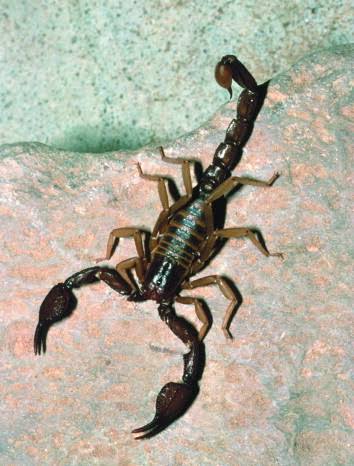

Living in Cave Creek means sharing the Sonoran Desert with wildlife—including scorpions.
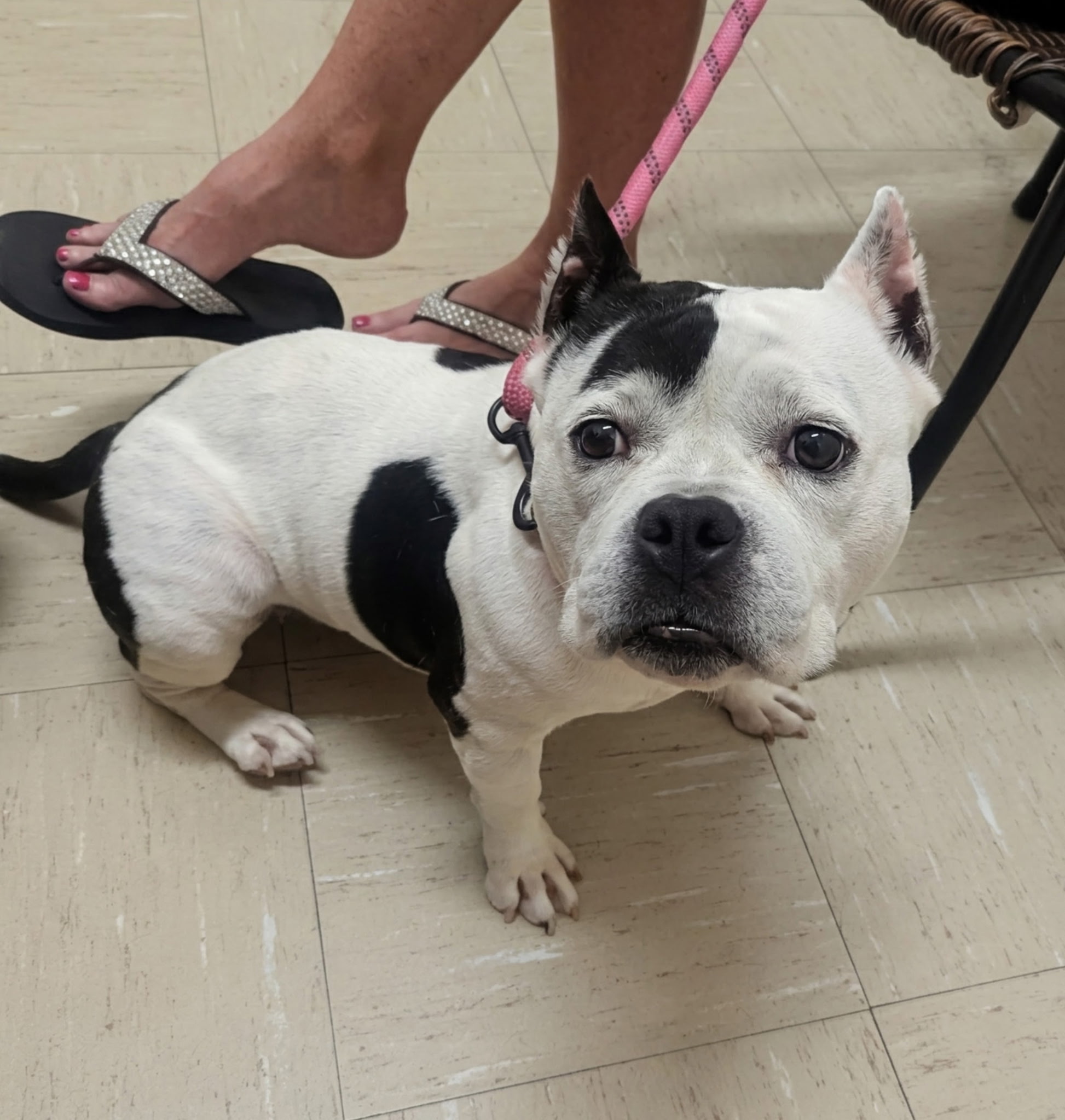
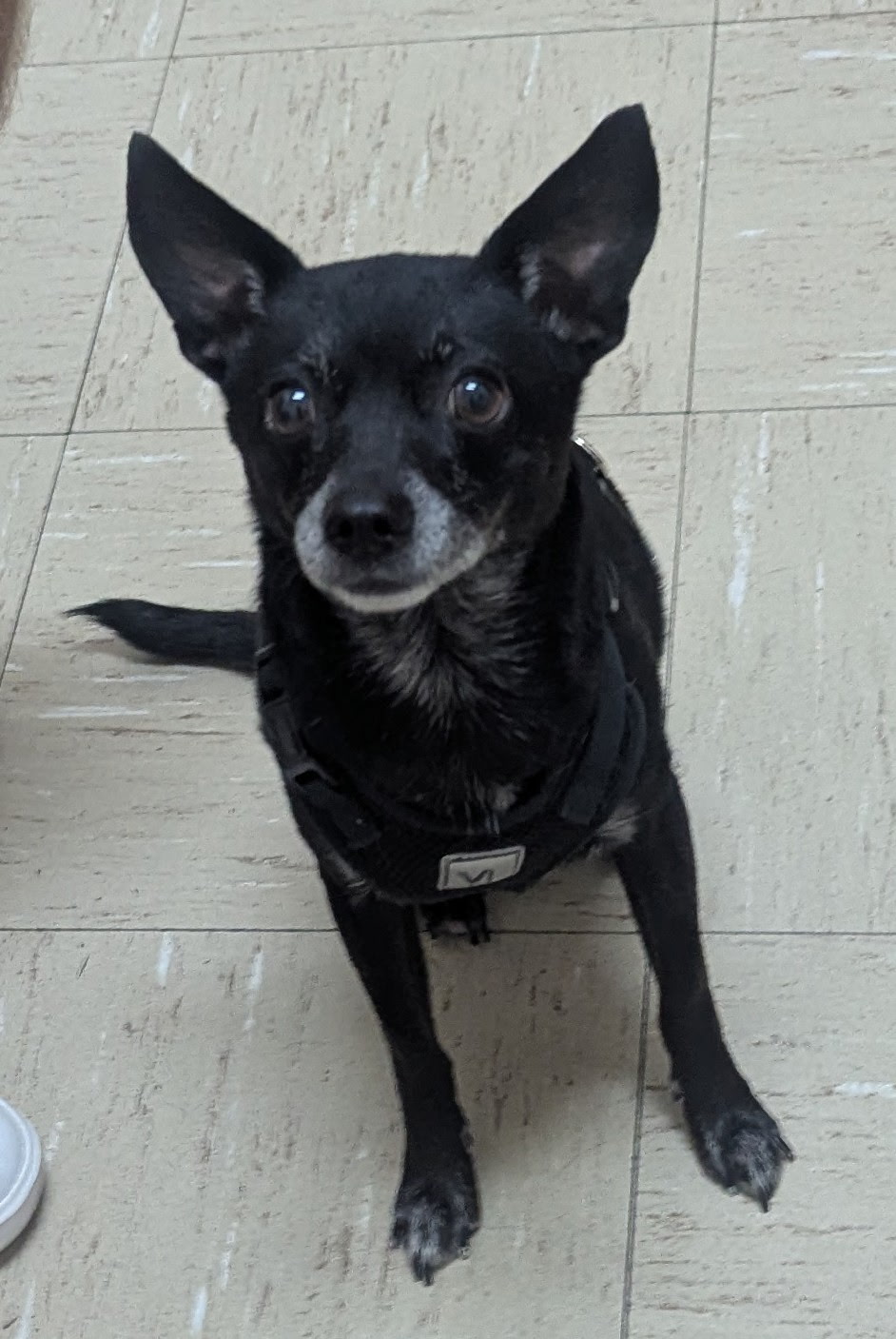
Dogs may investigate them with a nose or paw. Cats may chase them across a patio or garage floor. Sometimes an owner never sees the scorpion and instead notices that a previously comfortable pet suddenly yelps, begins licking a paw, becomes restless, or reacts painfully when one area is touched.
You do not need to identify the scorpion before calling your veterinarian.
Scorpion stings can cause significant localized pain. Most U.S. scorpion species are unlikely to cause severe envenomation in companion animals, but the Arizona bark scorpion can occasionally produce more extensive systemic effects.
Learn more about scorpion stings in animals from the Merck Veterinary Manual.
Is your pet painful or sick now?
Desert Forest Animal Hospital provides same-day urgent veterinary care for dogs and cats during regular business hours when availability and your pet’s condition allow. Learn about our same-day urgent veterinary care in Cave Creek.
Call before arriving: (480) 488-2010
What Happens When a Scorpion Stings a Dog or Cat?
A scorpion uses the stinger at the end of its tail to inject venom. The severity of a sting can vary depending on the species, the amount of venom delivered, the location of the sting, and the individual animal’s response.
Many pets develop primarily pain and localized irritation. More significant envenomation can cause neurologic or systemic abnormalities and deserves prompt veterinary attention.
One difficulty for pet owners is that the actual sting site may be difficult to find beneath fur. There may be little or no visible puncture wound.
Signs Your Dog May Have Been Stung by a Scorpion
Possible signs of a scorpion sting in a dog include:
- Sudden yelping or crying
- Limping or holding a paw off the ground
- Persistent licking or chewing at one area
- Sudden sensitivity when a paw, leg, muzzle, or other area is touched
- Local redness or swelling
- Restlessness or inability to get comfortable
- Trembling or shaking
- Unusual agitation
- Drooling
- Muscle twitching or tremors
- Weakness or difficulty walking
- Abnormal breathing
- Collapse in a severely affected animal
The absence of a visible scorpion does not rule out a sting.
Signs a Cat May Have Been Stung by a Scorpion
Cats are natural hunters and may actively pursue scorpions. Possible clues include:
- Suddenly jumping away from something
- Pawing at the face
- Repeatedly licking one paw
- Limping
- Unexpected vocalization
- Hiding
- Acting unusually agitated or uncomfortable
- Trembling or twitching
- Drooling
- Weakness or difficulty walking
- Breathing abnormalities
What Should I Do After a Suspected Scorpion Sting?
1. Move Your Pet Away From the Area
Prevent another encounter. Do not put yourself at risk trying to capture a scorpion.
If it can be done safely, a photograph may be useful, but do not delay veterinary care while trying to identify or catch the scorpion.
2. Keep Your Pet Calm
Pain can make even a normally gentle pet frightened or defensive. Avoid unnecessary manipulation of a painful area and prevent vigorous activity while you determine the appropriate next step.
3. Look for the Painful Area
Common locations may include the paws, legs, nose, and face because dogs and cats investigate their environment by walking, sniffing, and pawing.
You may not be able to see a puncture wound at all.
4. Call Your Veterinarian
Be prepared to describe:
- Your pet’s species and approximate weight
- When the suspected sting occurred
- Whether you saw a scorpion
- Where you think the sting occurred
- Whether there is swelling
- Whether your pet can walk normally
- Whether there is trembling, twitching, drooling, vomiting, weakness, or breathing difficulty
- Whether symptoms are stable or worsening
What NOT to Do After a Scorpion Sting
Do Not Give Human Pain Medication
Do not give ibuprofen, acetaminophen, naproxen, aspirin, or another human medication unless a veterinarian has specifically instructed you to give that medication to your individual pet.
Do Not Cut or Suction the Sting
Do not cut the skin or attempt to suck venom from a suspected sting site.
Do Not Apply Essential Oils or Household Chemicals
Avoid applying essential oils, insecticides, alcohol, household chemicals, or other home remedies to the affected area.
Do Not Delay Care Because You Cannot Find the Sting
A veterinarian evaluates the entire patient, not simply the appearance of the skin. Your pet’s symptoms are more important than whether you can see a puncture wound.
When Is a Scorpion Sting an Emergency?
Seek immediate veterinary attention for:
- Difficulty breathing
- Collapse
- Severe weakness
- Inability to stand or walk normally
- Significant tremors or muscle twitching
- Marked agitation or neurologic abnormalities
- Repeated vomiting
- Severe or escalating pain
- Significant facial or oral swelling
- Rapidly worsening symptoms
- Any pet that appears seriously ill
Desert Forest Animal Hospital provides same-day urgent veterinary care and emergency triage during regular business hours. We are not a 24-hour emergency hospital.
Learn when to call Desert Forest Animal Hospital for urgent veterinary care.
How Does a Veterinarian Evaluate a Suspected Scorpion Sting?
There is not always a single test that proves a scorpion sting occurred. Diagnosis may depend on the history, physical examination, symptoms, and ruling out other problems that can look similar.
Depending on your pet’s condition, evaluation may include:
- Temperature, heart rate, and respiratory assessment
- Pain evaluation
- Neurologic examination
- Examination of the mouth, face, paws, and suspected sting site
- Blood-pressure measurement when indicated
- Blood work in selected patients
- Additional testing when another cause is possible
A dog that suddenly limps in Cave Creek could also have a torn nail, cactus injury, puncture wound, foxtail, orthopedic injury, insect sting, or snakebite. Trembling and weakness can also have many causes unrelated to scorpion venom.
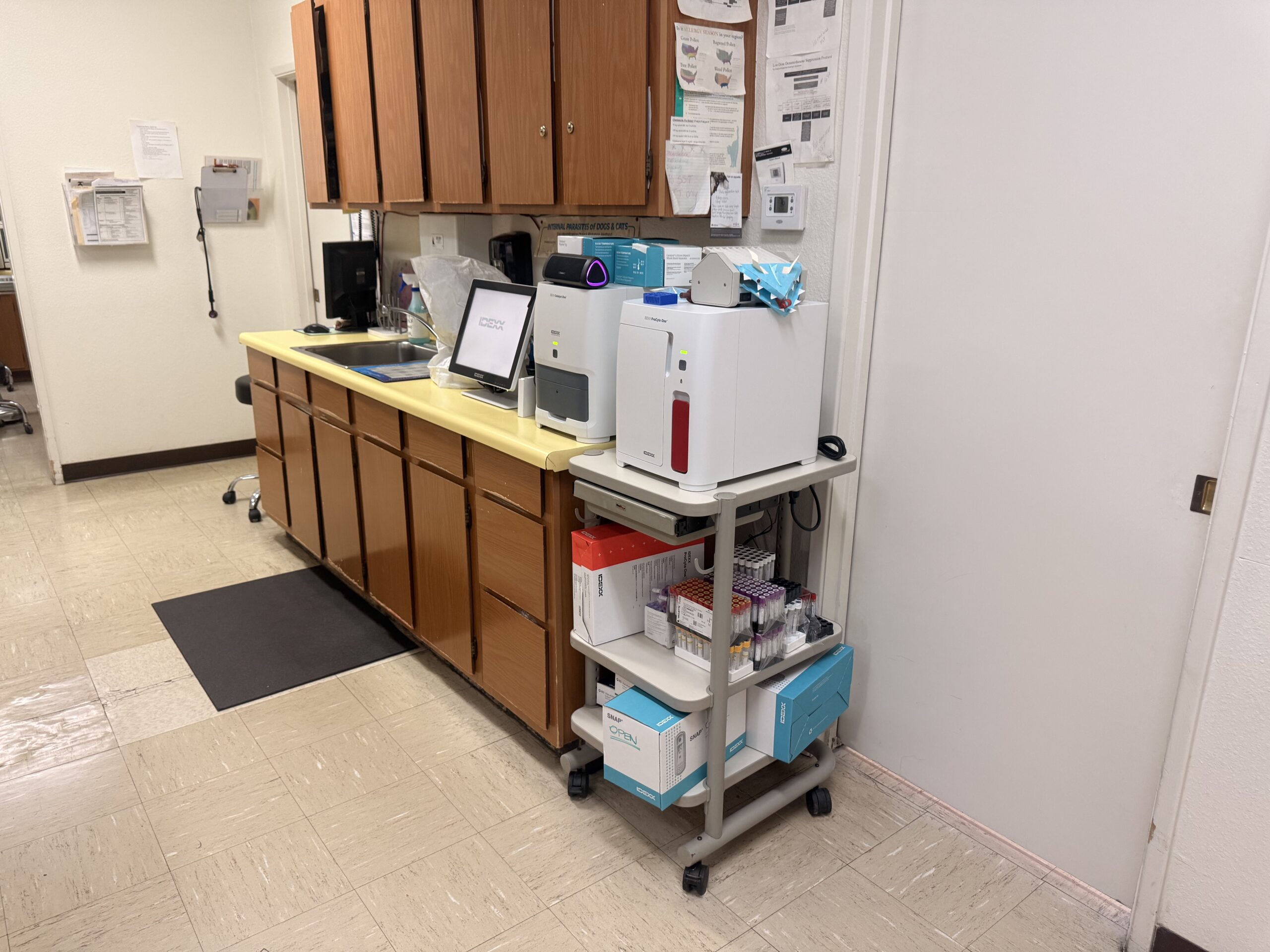
Desert Forest Animal Hospital offers in-house veterinary diagnostics and blood work when testing is medically appropriate.
How Are Scorpion Stings Treated in Dogs and Cats?
Treatment is individualized to the pet and the severity of the clinical signs.
A mildly affected pet may require considerably less intervention than a dog or cat showing neurologic or systemic abnormalities.
Veterinary care may include:
- Pain management
- Monitoring of vital signs
- Treatment of significant inflammation or other symptoms when appropriate
- Supportive care
- Management of neurologic or systemic complications
- Additional diagnostic investigation if another condition is suspected
Could It Be a Rattlesnake Bite Instead?
Yes. This distinction is particularly important in the Sonoran Desert.
A pet that suddenly cries out outdoors and then becomes painful, swollen, weak, or abnormal may have encountered a scorpion, snake, insect, cactus, or another desert hazard.
Rattlesnake bites are potentially life-threatening emergencies. If there is a realistic possibility your pet was bitten by a rattlesnake, call a veterinarian immediately and do not wait for swelling or other symptoms to develop.
Desert Forest Animal Hospital stocks rattlesnake antivenom and provides same-day urgent veterinary care during regular business hours when medically appropriate and available.
How to Reduce Scorpion Encounters Around Pets
Use a Flashlight at Night
Scorpions are commonly encountered after dark. Check patios, walls, landscaping, and areas where your dog is about to walk.
Do Not Let Dogs Investigate Arthropods
If your dog freezes, paws repeatedly at the ground, or aggressively sniffs something during a nighttime walk, move the dog away before investigating.
Shake Out Outdoor Bedding
Inspect pet beds, blankets, towels, shoes, and other items that have been stored outdoors or in a garage.
Reduce Hiding Places
Stored lumber, boxes, rocks, debris, and clutter can create protected hiding areas for scorpions and their prey.
Supervise Nighttime Potty Trips
This is especially important for curious dogs that chase insects and other small moving animals.
Consider Keeping Cats Indoors
Indoor living can reduce exposure to scorpions as well as coyotes, snakes, vehicles, extreme heat, and other hazards found in the North Valley.
Arizona Poison and Drug Information Center provides additional information about Arizona scorpions and sting prevention .
A Note About Pest Control and Pets
Pet owners may choose pest-control measures to reduce scorpions around the home, but pesticides can create their own risks.
Always follow product-label directions and keep pets away from treated products or areas for the recommended period. If you use a professional pest-control company, tell them dogs or cats live on the property and ask about specific pet precautions.
Fear Free Care for a Painful or Frightened Pet
A pet experiencing sudden pain may be much more frightened than during a routine veterinary appointment.
Dr. Quinn Bauer is a Fear Free Certified veterinarian at Desert Forest Animal Hospital. Whenever the patient’s medical condition allows, the hospital uses gentle, low-stress handling strategies intended to reduce fear, anxiety, and stress.
Learn more about Fear Free veterinary care at Desert Forest Animal Hospital.
Frequently Asked Questions About Scorpion Stings in Pets
Can a scorpion sting seriously harm a dog?
Many scorpion stings primarily cause pain and localized signs. However, the Arizona bark scorpion can occasionally produce more extensive systemic effects. Dogs with weakness, tremors, breathing difficulty, collapse, severe pain, or rapidly worsening symptoms should receive prompt veterinary care.
Can cats be stung by scorpions?
Yes. Cats may be exposed when hunting or playing with scorpions. Sudden paw pain, limping, hiding, vocalization, drooling, trembling, or unusual behavior may justify veterinary evaluation.
Will I be able to see the sting?
Not necessarily. Fur may obscure the sting site, and there may be little visible evidence on the skin.
Should I bring the scorpion to the veterinarian?
No. Do not risk another sting trying to capture it. A photograph may be useful if it can be taken safely, but veterinary care should not be delayed for identification.
Can I give Benadryl after a scorpion sting?
Do not give medication simply because you suspect a scorpion sting. The appropriate treatment depends on your pet’s symptoms, weight, medical history, and other factors. Call your veterinarian before administering medication.
Should I wait to see if my dog or cat gets worse?
Call for veterinary guidance rather than making that decision alone. A pet with mild localized discomfort is very different from one developing progressive pain, weakness, tremors, breathing difficulty, or neurologic abnormalities.
Scorpion Sting? Call Desert Forest Animal Hospital
If your dog or cat suddenly yelps, develops unexplained paw pain, begins trembling, or acts unusually after being outdoors in Cave Creek, a scorpion sting is one possible explanation.
Desert Forest Animal Hospital provides same-day urgent veterinary care for dogs and cats during regular business hours when availability and the patient’s medical needs allow.
We serve families throughout Cave Creek, Carefree, Tatum Ranch, Desert Hills, North Scottsdale, and nearby North Valley communities.
Call before arriving: (480) 488-2010
Desert Forest Animal Hospital
6554 E Cave Creek Road
Cave Creek, AZ 85331
Monday–Friday: 9:00 a.m.–6:00 p.m.
Saturday: Closed
Sunday: Closed
Learn about Same-Day Urgent Veterinary Care
Medical Review: Reviewed for medical accuracy by Bryan Hayter, DVM, Owner/Medical Director.
Last reviewed: August 2026
This article provides general educational information and is not a substitute for examination, diagnosis, or individualized veterinary advice. Do not delay emergency veterinary care while waiting for an online response.