

Dog & Cat Digestive Health
Blood in Your Dog’s Stool? Understanding Hematochezia, Bloody Diarrhea and When to See a Vet
Seeing bright red blood in your dog’s poop can be frightening. Sometimes it comes from localized intestinal irritation. Other times it is an early warning of a condition that can become serious surprisingly quickly.
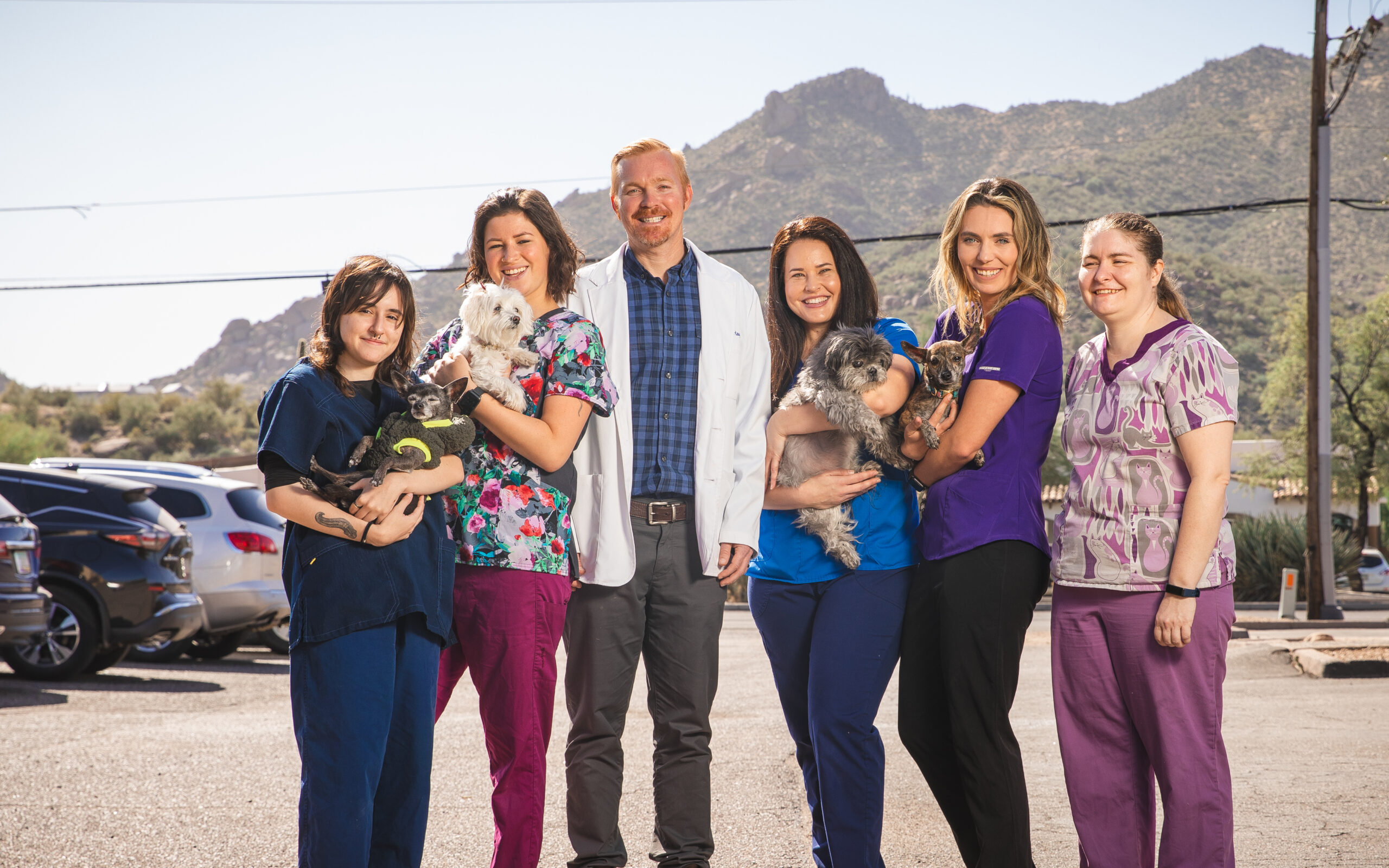
At Desert Forest Animal Hospital in Cave Creek, Arizona, we help pet owners distinguish signs that warrant prompt veterinary evaluation from symptoms of a potentially life-threatening emergency.
Bloody diarrhea accompanied by vomiting, weakness, abdominal pain, or repeated bowel movements should never be casually dismissed.
The Short Answer
Is Blood in Dog Poop an Emergency?
Blood in a dog’s stool is a symptom, not a diagnosis. The degree of concern depends on how much blood is present, the consistency of the stool, how frequently diarrhea occurs, and how your dog is behaving.
A single small streak of fresh red blood on an otherwise formed stool in a bright, comfortable adult dog may have a relatively minor explanation, such as irritation of the colon or rectum. Nevertheless, new or recurring bleeding deserves a call to your veterinarian.
Profuse bloody diarrhea, repeated vomiting, lethargy, pale gums, collapse, or rapidly worsening symptoms require more urgent attention.
When Not to Wait
If your dog or cat has large amounts of blood, repeated bloody diarrhea, severe weakness, collapse, pale or white gums, significant abdominal pain, or bloody diarrhea with repeated vomiting, seek emergency veterinary care immediately.
Desert Forest Animal Hospital provides same-day evaluations for many stable urgent conditions when appointments are available. We are not a 24-hour emergency facility. Call before arriving.
Understanding the Symptom
What Is Hematochezia in Dogs and Cats?
Hematochezia is the medical term for the passage of fresh, visible red blood with or around feces. Owners may describe it as blood in dog poop, red streaks on stool, bloody diarrhea, or blood coming from a pet’s rectum.
Fresh red blood frequently originates in the lower gastrointestinal tract, especially the colon, rectum, or anal region. However, appearance alone cannot determine the precise source of bleeding or its severity.
Hematochezia may appear as:
- Thin streaks of bright red blood on otherwise formed stool
- Small drops of red blood after defecation
- Blood mixed with mucus or jelly-like material
- Loose stool containing bright red blood
- Profuse, watery or predominantly bloody diarrhea
Bright Red Blood Versus Black, Tarry Stool
| Appearance | What It May Suggest | What to Do |
|---|---|---|
| Fresh red blood | Often bleeding or irritation near the lower intestine, rectum or anus. | Contact your veterinarian promptly for guidance. |
| Blood with mucus | Can accompany inflammation of the colon, known as colitis. | Veterinary evaluation is appropriate, especially if signs repeat or worsen. |
| Profuse bloody diarrhea | May indicate significant intestinal disease, including AHDS in dogs. | Seek urgent or emergency veterinary evaluation. |
| Black, sticky, tar-like stool | May represent melena, or digested blood, often associated with bleeding higher in the gastrointestinal tract. | Prompt veterinary assessment is important. |
Dark stool is not always blood, and red coloration is not always caused by bleeding. Foods, supplements and medications can change stool appearance. A veterinarian may recommend examination or testing rather than relying on color alone.
For additional background, see the VCA veterinary explanation of colitis and large-bowel diarrhea.
Why It Happens
Common Causes of Bright Red Blood in a Dog’s Stool
There is no single cause of hematochezia. The same visible symptom can be associated with relatively mild inflammation, infection, parasitism, gastrointestinal disease, or a more serious systemic problem.
1. Colitis
Colitis is inflammation of the large intestine. It may cause frequent, small bowel movements, urgency, straining, mucus and fresh red blood.
Possible triggers include dietary changes, stress, infections, parasites, and chronic inflammatory conditions.
2. Dietary Indiscretion
Eating spoiled food, garbage, unusually rich treats, or unfamiliar material may irritate the gastrointestinal tract.
Sudden diet changes may also contribute to diarrhea. However, owners should not assume that visible bleeding is simply a food-related upset.
3. Intestinal Parasites
Whipworms, hookworms and some protozoal infections may cause intestinal inflammation, diarrhea or bleeding.
A fecal examination and appropriately selected parasite testing can help identify treatable causes.
4. Infection
Bacterial and viral diseases may cause gastrointestinal inflammation and diarrhea.
Canine parvovirus is an especially serious consideration in susceptible or incompletely vaccinated puppies.
5. Rectal or Anal Disease
Irritation, injury, anal sac disease or other problems near the anus may produce fresh blood, sometimes without widespread intestinal disease.
A physical examination helps distinguish these conditions from internal gastrointestinal bleeding.
6. More Serious Disorders
Foreign bodies, intestinal ulcers, bleeding disorders, certain medications, chronic intestinal disease, and gastrointestinal tumors can also produce blood in stool.
These possibilities become more concerning when bleeding is persistent, recurrent, substantial, or accompanied by other illness signs.
For an overview of gastrointestinal illnesses beyond bleeding, see our guide to vomiting and diarrhea in dogs and cats in Cave Creek.
We also offer parasite testing and prevention for dogs and cats, including individualized recommendations for Sonoran Desert households.
A Potentially Serious Cause
Acute Hemorrhagic Diarrhea Syndrome (AHDS) in Dogs
One of the more urgent conditions veterinarians consider when a dog develops sudden, profuse bloody diarrhea is acute hemorrhagic diarrhea syndrome, or AHDS.
AHDS was previously called hemorrhagic gastroenteritis (HGE). It can begin abruptly in a dog that seemed normal earlier in the day.
Dogs with AHDS may develop:
- Sudden, frequent bloody diarrhea
- Red, watery or jelly-like stool
- Vomiting, sometimes before diarrhea begins
- Loss of appetite
- Abdominal discomfort
- Weakness, lethargy or rapidly worsening illness
What Does Raspberry-Jam-Like Dog Diarrhea Mean?
Owners sometimes describe severely bloody diarrhea as resembling raspberry jam because of the mixture of blood, mucus and intestinal contents.
That appearance can occur with AHDS, but it is not specific enough to diagnose the syndrome without veterinary evaluation.
Are Small Dogs More Susceptible?
AHDS has been described more frequently in some small and toy breeds, including Yorkshire Terriers, Miniature Schnauzers, Miniature Poodles and Maltese.
Nevertheless, dogs of other breeds and sizes can also develop serious hemorrhagic gastrointestinal disease.
Why AHDS Can Become Dangerous Quickly
With AHDS, the intestine can lose substantial amounts of fluid and plasma proteins. Severe fluid loss can impair circulation and cause shock, sometimes before the usual outward signs of dehydration become obvious.
A dog that suddenly develops profuse bloody diarrhea should not be observed at home for an entire day to see whether it improves.
Prompt medical assessment and fluid therapy may be critical.
Does Every Dog With AHDS Need Antibiotics?
No. Appropriate treatment depends on the patient’s examination, circulatory status, laboratory findings and severity of illness.
The Merck Veterinary Manual identifies fluid resuscitation and supportive care as central treatments. Routine antibiotics are not recommended for uncomplicated mild-to-moderate AHDS, while selected severe cases may require antimicrobial therapy when there is concern for systemic infection or sepsis.
Learn more from the Merck Veterinary Manual’s clinical review of AHDS in dogs.
An Important Arizona Consideration
Bloody Diarrhea and Dehydration: Why the Desert Makes Fluid Balance Important
In Cave Creek, Carefree, Desert Mountain and North Scottsdale, dog owners regularly manage the challenges of Arizona’s hot, dry desert environment.
Pets with vomiting or diarrhea lose fluid through the gastrointestinal tract. Those losses may be compounded when a sick animal is drinking less, vomiting water, or experiencing additional heat exposure.
Desert heat does not itself cause hematochezia or AHDS. However, high temperatures and limited fluid intake can add to hydration concerns in a pet that is already ill.
A dog does not need to be hiking outside to become dehydrated. Significant gastrointestinal illness can lead to fluid and electrolyte losses even in an air-conditioned home.
Warning Signs of Dehydration or Poor Circulation
- Reduced energy or weakness
- Reduced water intake
- Dry or tacky gums
- Sunken-looking eyes
- Repeated vomiting
- Frequent watery diarrhea
- Abnormal alertness or responsiveness
- Collapse or inability to stand
These signs are not definitive tests of dehydration. Some patients with serious fluid losses may deteriorate before obvious physical changes are noticed at home.
Can I Correct Severe Dehydration by Giving Water at Home?
Not reliably. A pet with severe ongoing losses, repeated vomiting or compromised circulation may require veterinary fluid therapy and monitoring.
Provide access to fresh water while obtaining veterinary advice if your pet is alert and can drink safely. Do not force water into the mouth of a weak or repeatedly vomiting animal.
Severe dehydration, shock and associated electrolyte disturbances cannot safely be managed with home remedies alone.
Learn more about our same-day urgent veterinary care in Cave Creek.
Feline Gastrointestinal Health
What if My Cat Has Bright Red Blood in the Stool?
Hematochezia also occurs in cats. Fresh blood in a cat’s stool can be associated with colitis, parasites, dietary problems, intestinal inflammation, rectal irritation or more serious underlying illness.
Some cats show diarrhea, mucus or repeated attempts to defecate. Others have visible blood on an otherwise formed stool.
Kittens are particularly vulnerable to some intestinal infections and parasites. Older cats may also have conditions that affect the gastrointestinal tract or overall health.
Cornell University’s Feline Health Center identifies intestinal parasites and inflammatory gastrointestinal conditions among possible causes of bloody feline stool.
Read Cornell’s information on diarrhea in cats and feline intestinal parasites.
Important Distinction for Cat Owners
If your cat is repeatedly straining in the litter box and you are not certain whether the problem is defecation or urination, check carefully. A cat that cannot urinate, particularly a male cat, may have a life-threatening urinary obstruction.
A suspected urinary blockage requires immediate emergency veterinary evaluation.
Knowing When to Act
When Should You Take a Dog With Bloody Stool to the Vet?
The amount of blood matters, but it is not the only factor. A pet’s age, hydration, activity level, appetite, abdominal comfort, underlying health and symptom progression are important.
| What You Notice | Level of Concern | Recommended Action |
|---|---|---|
| One small streak of blood on formed stool; pet is alert and comfortable | Needs assessment, but not always an emergency | Call your veterinarian promptly for individualized guidance; observe for recurrence or additional symptoms. |
| Repeated loose stool, blood or mucus, frequent straining | Same-day evaluation often appropriate | Contact a veterinarian for an examination. |
| Bloody diarrhea with vomiting, loss of appetite or abdominal discomfort | Higher concern | Seek prompt same-day veterinary care; emergency care may be necessary. |
| Profuse bloody diarrhea, collapse, severe weakness, pale gums or severe pain | Emergency | Go to an emergency veterinary hospital immediately. |
| Puppy or kitten with bloody diarrhea or significant illness | Higher concern because young pets can decline quickly | Seek immediate veterinary advice and prompt evaluation. |
This table provides general triage guidance rather than an individual diagnosis. When in doubt, seek veterinary advice rather than waiting for symptoms to worsen.
Practical Steps for Pet Owners
What Should I Do if I See Blood in My Dog’s Poop?
While arranging veterinary care, a few simple observations can help your veterinarian understand what is happening.
- Assess your pet’s overall condition. Note activity level, appetite, vomiting, pain, gum color and drinking behavior.
- Photograph the stool. A photograph may help distinguish a small streak of blood from substantial bloody diarrhea.
- Note the frequency. Record how often your pet is defecating and whether the blood is increasing.
- Collect a fresh stool sample if it is safe to do so. Use a clean container or bag, wash your hands afterward, and ask the clinic about storage or transport instructions.
- Review possible exposures. Tell the veterinarian about diet changes, garbage, table scraps, medications, supplements, parasites, possible toxins or swallowed objects.
- Avoid treating the bleeding with human medications. Products containing aspirin, ibuprofen, bismuth subsalicylate or loperamide may be unsafe or inappropriate for some pets. Use medication only with veterinary direction.
Should I Feed Chicken and Rice?
A bland diet may be suitable for some dogs with a mild, uncomplicated gastrointestinal upset, but it is not a universal treatment for bloody diarrhea.
Puppies, kittens, cats with poor appetite, diabetic pets, and animals with significant vomiting or suspected obstruction may need very different management.
Ask your veterinarian about feeding, hydration and medication rather than automatically fasting your pet.
Cornell University specifically advises veterinary assessment for dogs with blood in stool and cautions against unsupervised use of human gastrointestinal medications. See its canine diarrhea guide.
How Veterinarians Find the Cause
How Is Hematochezia Diagnosed at a Veterinary Hospital?
A veterinarian evaluates the complete clinical picture rather than assuming that all bloody diarrhea has the same cause.
At Desert Forest Animal Hospital, assessment begins with a medical history and physical examination.
Depending on the patient’s condition, testing may include:
- Fecal examination: to investigate intestinal parasites and other selected infectious causes
- Complete blood count: to evaluate red and white blood cells, platelet numbers and selected signs of inflammation or blood loss
- Packed cell volume and total protein assessment: when rapid changes in blood concentration or protein levels may affect the treatment plan
- Blood chemistry and electrolytes: to assess organ function and problems associated with gastrointestinal losses
- Targeted infectious-disease testing: such as parvovirus testing in susceptible dogs
- Radiographs or ultrasound: when abdominal disease, obstruction, foreign material, or another structural problem is suspected
- Additional testing or referral: when bleeding is persistent, recurrent or unexplained
Not every pet requires every test listed above. Recommendations should reflect the examination, urgency, history and diagnostic value.
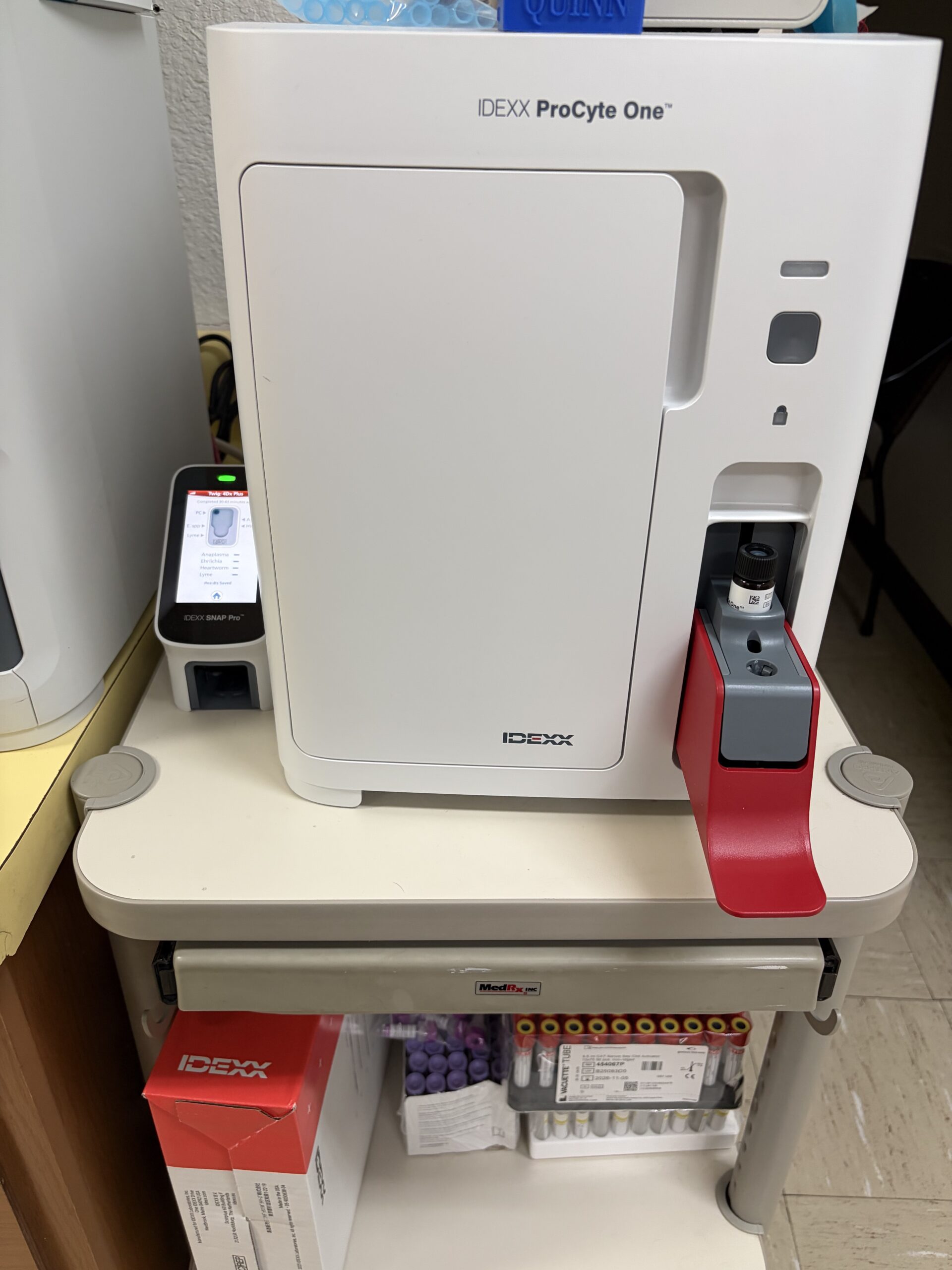
In-House Veterinary Blood Testing in Cave Creek
Access to in-house laboratory equipment can help veterinarians evaluate important blood parameters during a visit.
This may be particularly useful when a patient with bloody diarrhea is weak, dehydrated or experiencing rapidly changing signs.
DFAH uses clinical findings and appropriate diagnostic tests together to decide whether a pet needs outpatient care, fluid therapy, additional testing, hospitalization or referral.
Learn about our in-house veterinary blood testing and diagnostics and same-day urgent laboratory testing for sick pets.
Individualized Veterinary Treatment
How Is Bloody Diarrhea Treated in Dogs and Cats?
Treatment depends on the cause and the patient’s overall stability. There is no single medication that appropriately treats every case of hematochezia.
Mild or Stable Cases
Depending on the diagnosis, a veterinarian may recommend appropriate dietary management, monitoring, targeted medications, parasite treatment or other supportive care.
Patients With Significant Fluid Loss
More seriously affected pets may require intravenous fluids, correction of electrolyte abnormalities, anti-nausea treatment, close monitoring and potentially emergency hospitalization.
Patients with suspected intestinal obstruction, severe infection, bleeding disorders or other complex disease may need additional procedures, specialized treatment or referral.
A pet that initially appears stable can still deteriorate. Your veterinarian may recommend follow-up examinations or repeat laboratory testing as the condition evolves.
Reducing Preventable Risks
Can Bloody Diarrhea Be Prevented?
Not every episode of hematochezia can be prevented. However, several practical habits may reduce exposure to some common gastrointestinal risks.
- Maintain appropriate parasite prevention
- Keep recommended vaccines current
- Change diets gradually when appropriate
- Prevent access to trash and spoiled food
- Monitor ingestion of toys and foreign objects
- Provide fresh drinking water
- Avoid unnecessary extreme-heat exposure
- Keep medications and rodenticides secured
- Report recurrent gastrointestinal symptoms
- Schedule appropriate veterinary wellness care
For Arizona families, it is also sensible to prevent pets from drinking from unknown outdoor water sources and to clean up feces promptly in shared pet areas.
Our parasite-prevention services and preventive veterinary care can help with individualized planning for dogs and cats.
Locally Owned Veterinary Care
Veterinary Care for Bloody Diarrhea Near Carefree, Desert Mountain and North Scottsdale
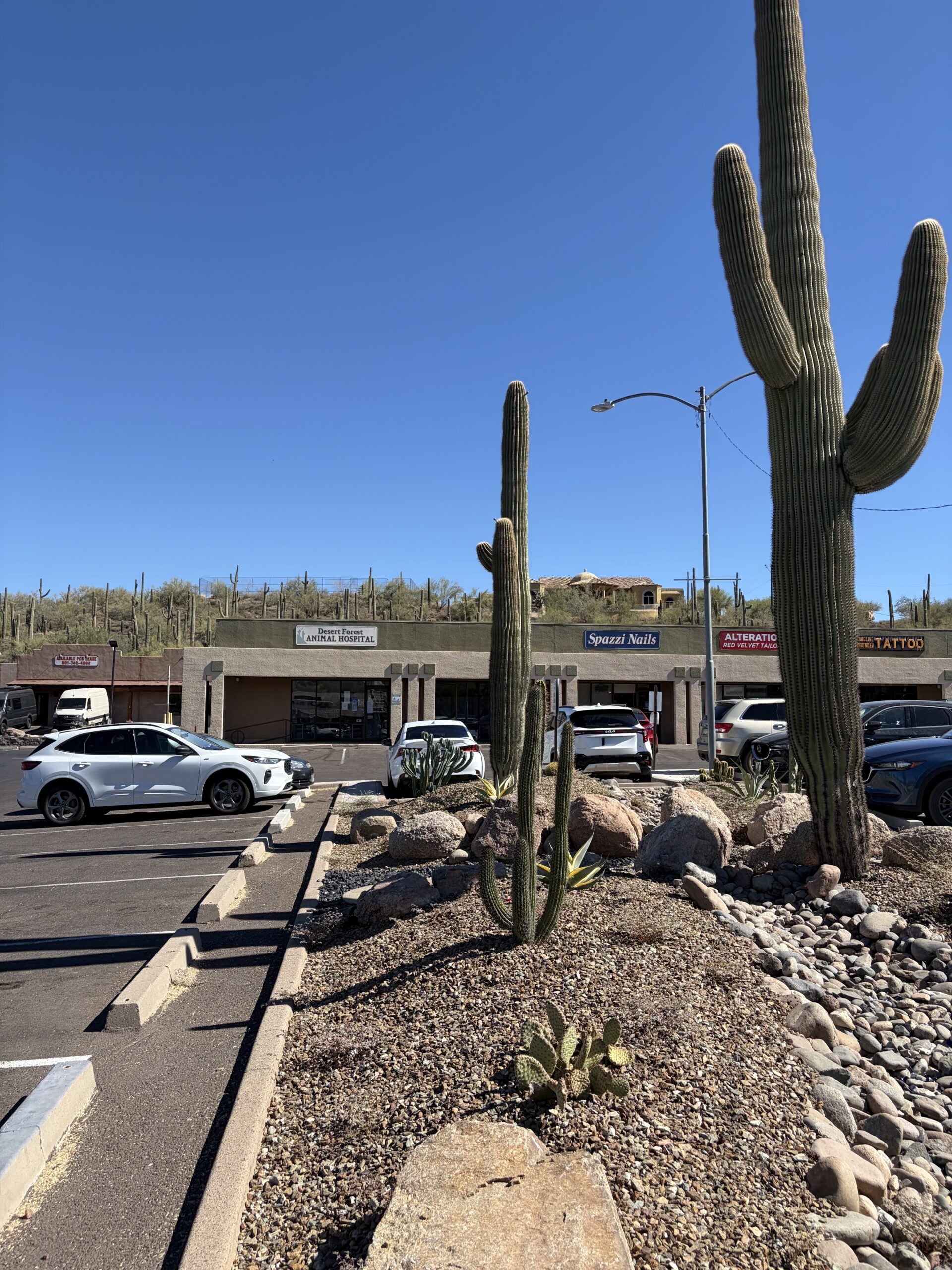
Desert Forest Animal Hospital is an independently owned veterinary hospital located at 6554 E Cave Creek Road, Cave Creek, AZ 85331.
We welcome dogs and cats from Cave Creek, Carefree, Desert Mountain, Dove Valley Ranch, Tatum Ranch, Terravita, Desert Hills, Anthem and surrounding North Scottsdale neighborhoods.
Our Owner and Medical Director, Bryan Hayter, DVM, is a graduate of Auburn University College of Veterinary Medicine. DFAH combines examination, diagnostic testing and individualized clinical judgment to help families understand their pets’ medical needs.
If your dog or cat has bloody diarrhea or another concerning gastrointestinal symptom, our team can help determine whether a same-day appointment is appropriate or whether your pet needs a higher level of emergency care.
For nearby community information, explore our Carefree veterinarian page and Desert Mountain veterinary care guide.
Our hospital is not a 24-hour emergency facility. Please call before arriving with an urgent concern.
Frequently Asked Questions
Blood in Dog and Cat Stool: Questions Pet Owners Ask
Why does my dog have bright red blood in the poop but act normal?
A small amount of fresh blood may occur with localized inflammation or irritation, including colitis. Some pets remain bright and active despite early disease. Contact your veterinarian for guidance, especially if bleeding repeats or increases.
What causes bright red blood and mucus in dog stool?
Fresh blood and mucus can be associated with colitis or other large-intestinal irritation. Dietary problems, parasites, infections and inflammatory disorders are among possible causes. Examination and targeted testing may be needed.
What does it mean if my dog has bloody diarrhea that looks like jelly?
Red, jelly-like diarrhea can reflect blood and mucus within intestinal contents. Sudden profuse hemorrhagic diarrhea raises concern for conditions including AHDS. Prompt veterinary evaluation is recommended.
Can stress cause blood in a dog’s stool?
Stress can contribute to episodes of colitis in some dogs. However, stress should not be assumed to be the cause without considering parasites, infection, dietary factors and other medical conditions.
Can worms cause my dog to poop blood?
Yes. Some intestinal parasites can damage or inflame gastrointestinal tissues. The appropriate fecal tests and treatment depend on the suspected organism and your pet’s condition.
Can a food change cause bloody diarrhea?
Dietary changes or gastrointestinal irritation may contribute to diarrhea or colitis, sometimes with fresh blood. Visible bleeding should not automatically be attributed to food without veterinary guidance.
Is AHDS the same as hemorrhagic gastroenteritis?
AHDS is the modern term commonly used for a syndrome previously called hemorrhagic gastroenteritis, or HGE. It can cause sudden severe bloody diarrhea, fluid loss and potentially shock.
Can dehydration happen quickly with bloody diarrhea?
Yes. Frequent diarrhea and vomiting can produce substantial fluid and electrolyte losses. In severe conditions such as AHDS, circulatory compromise may develop before obvious dehydration is apparent. Environmental heat can add to fluid-balance concerns.
Is black dog poop more dangerous than bright red blood?
Black, tar-like stool may contain digested blood and can indicate gastrointestinal bleeding. Neither appearance should be ignored. Urgency depends on the pet’s overall condition, amount of bleeding and associated symptoms.
Can I give my dog Pepto-Bismol or Imodium for bloody diarrhea?
Do not give human gastrointestinal medications without a veterinarian’s direction. Some products can be unsafe for certain dogs or cats, interfere with other medications, or be inappropriate for the underlying condition.
Why is there blood in my cat’s stool?
Possible causes include colitis, parasites, dietary irritation, rectal disease and chronic gastrointestinal inflammation. Cats with reduced appetite, vomiting, lethargy or repeated bloody stool should receive prompt veterinary assessment.
What will the veterinarian test if my dog has blood in the stool?
Depending on symptoms, testing may include fecal parasite evaluation, blood counts, blood chemistry, electrolyte assessment, targeted infectious-disease testing and abdominal imaging. The veterinarian determines which tests are appropriate after evaluating your pet.
How long should I wait before calling the veterinarian?
Contact your veterinarian promptly whenever you notice new, unexplained blood in stool. Do not wait if bleeding is substantial, diarrhea is frequent, your pet is vomiting or weak, or symptoms are worsening. Severe illness requires immediate emergency care.
Does Desert Forest Animal Hospital offer same-day visits for bloody diarrhea?
We evaluate many stable urgent medical concerns during regular hospital hours when appointment availability permits. Call (480) 488-2010 before arriving. Patients with severe illness or shock may require a 24-hour emergency hospital.
More Veterinary Resources
Related Care at Desert Forest Animal Hospital
Evidence-Based Veterinary Information
Trusted Medical References
The following veterinary resources provide additional information on gastrointestinal bleeding, colitis, diarrhea, dehydration and acute hemorrhagic diarrhea syndrome.
- Merck Veterinary Manual — Acute Hemorrhagic Diarrhea Syndrome in Dogs
- Cornell University — Diarrhea in Dogs
- VCA Animal Hospitals — Colitis in Dogs
- Cornell Feline Health Center — Diarrhea in Cats
- Cornell Feline Health Center — Gastrointestinal Parasites of Cats
- Merck Veterinary Manual — Fluid Resuscitation in Animals
Same-Day Sick-Pet Care
Blood in Your Dog’s Stool? Call Desert Forest Animal Hospital.
Bright red blood in your pet’s stool may have several possible causes. Prompt veterinary advice can help determine the appropriate next step.
Our Cave Creek veterinary team offers individualized examinations and in-house diagnostic capabilities for dogs and cats, including same-day evaluation of many stable urgent conditions when scheduling allows.
Desert Forest Animal Hospital
6554 E Cave Creek Road
Cave Creek, AZ 85331
Monday–Friday: 9:00 AM–6:00 PM
Saturday–Sunday: Closed
For collapse, shock, profuse bloody diarrhea with severe weakness, difficulty breathing, or another life-threatening emergency, proceed directly to an appropriate emergency veterinary hospital.
Veterinary Editorial Standards
Prepared by: Desert Forest Animal Hospital Veterinary Education Team.
Medical reviewer: Bryan Hayter, DVM, Owner and Medical Director, Desert Forest Animal Hospital. Clinical review pending before publication.
Dr. Hayter earned his veterinary degree from Auburn University College of Veterinary Medicine.
Draft last updated: October 23, 2026.
This article was developed using established veterinary references, including the Merck Veterinary Manual, Cornell University College of Veterinary Medicine and VCA Animal Hospitals. It addresses visible blood in stool, gastrointestinal differential diagnoses, AHDS, dehydration, urgent-care decisions and diagnostic evaluation.
This material is intended for general pet-owner education. It does not establish a diagnosis or replace an individual veterinary examination or treatment plan.