
Feline health • Senior cat diagnostics • Cave Creek, AZ
Senior Cat Blood Work in Cave Creek: What Kidney, Thyroid & Diabetes Tests Reveal
Your cat is eating, sleeping and greeting you much as usual—but perhaps drinking a little more, losing weight or slowing down. Blood tests can help explain subtle changes, but the most useful answer comes from combining laboratory results with your cat’s examination, urine testing and medical history.
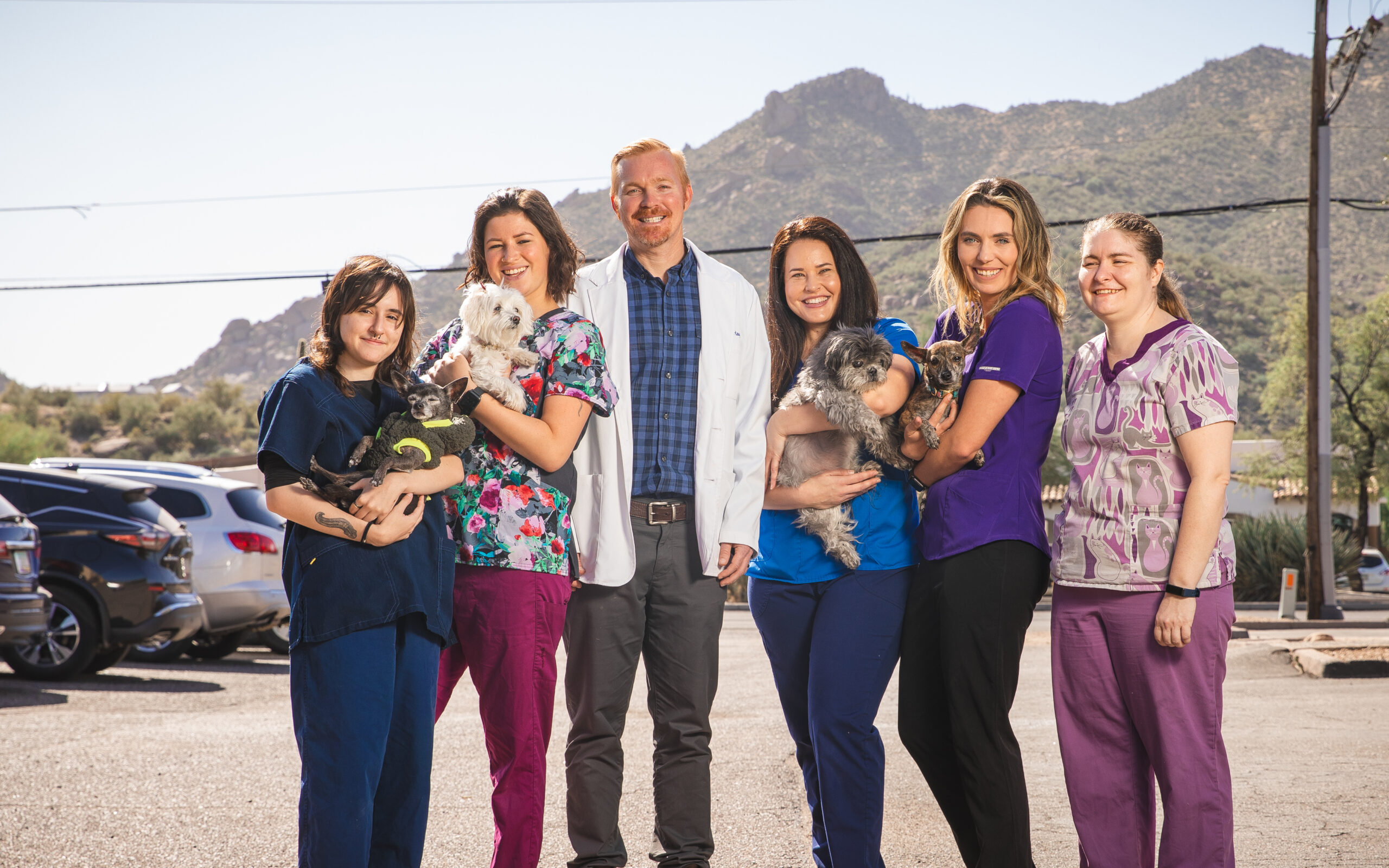
At independently owned Desert Forest Animal Hospital, we help families in Cave Creek, Carefree and nearby North Scottsdale understand which tests matter for their particular cat, and what the findings mean for care.
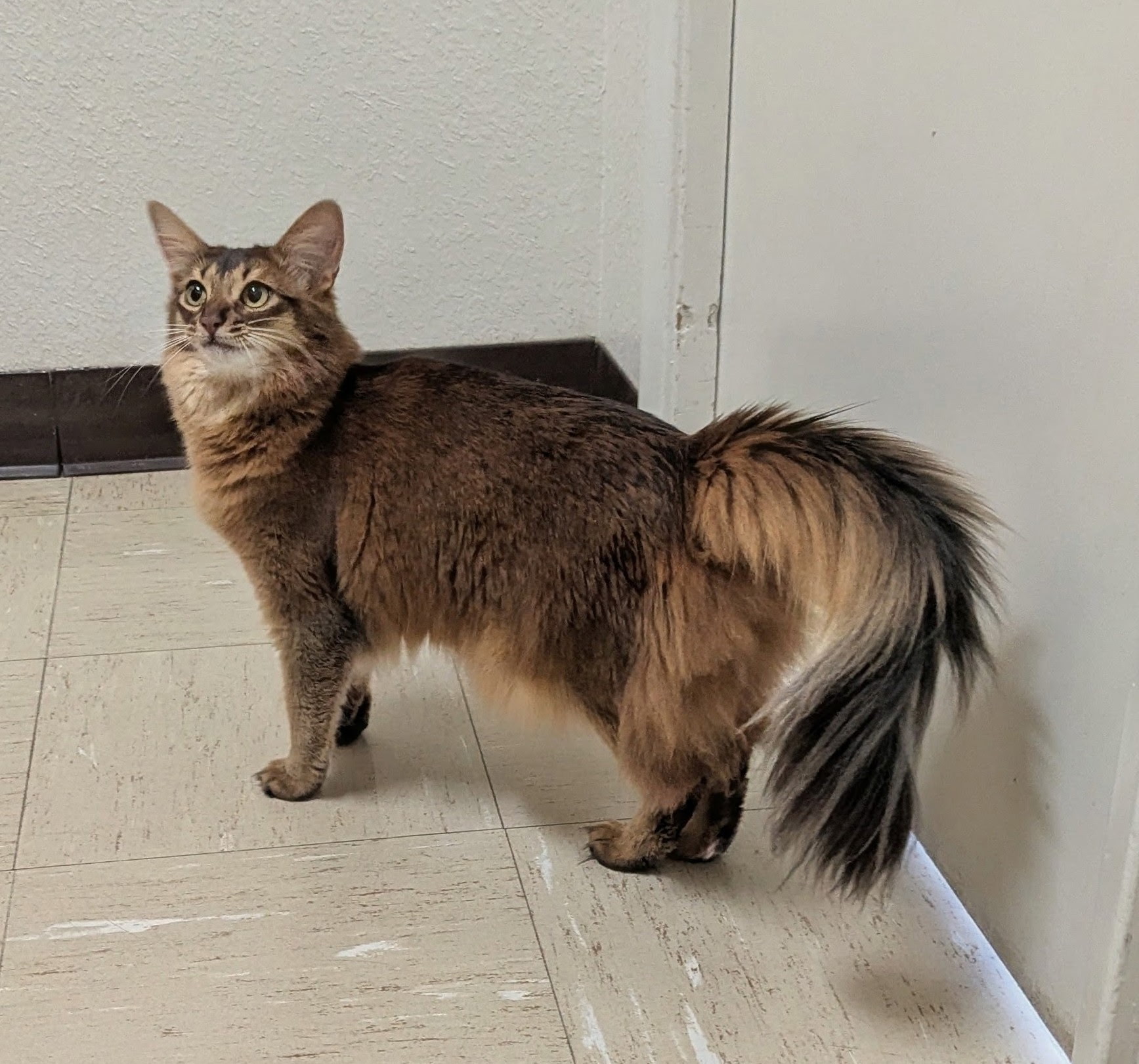
Why Does My Older Cat Need Blood Work If They Seem Healthy?
Cats can hide illness remarkably well. Gradual weight loss, subtle changes in litter-box habits, reduced grooming and a decrease in muscle mass may be easy to miss at home. Some conditions—including kidney disease, high blood pressure and hyperthyroidism—may develop before an owner recognizes obvious signs.
Veterinary guidelines distinguish mature-adult cats (approximately 7–10 years) from senior cats (older than 10). For senior cats, the AAHA/AAFP feline life-stage guidelines recommend laboratory screening and blood-pressure evaluation at least annually, with six-month intervals often appropriate. The AAHA senior-care guidelines similarly describe CBC, chemistry and urinalysis testing every 6–12 months for senior patients. The precise schedule should reflect the individual cat, not age alone.
What we want to learn from a senior-cat screening visit
- Establish a baseline: compare today’s results with your cat’s previous numbers, weight and physical examination.
- Investigate symptoms: determine whether increased thirst, weight loss, vomiting or appetite changes warrant targeted testing.
- Guide decisions: decide whether monitoring, a urine sample, blood pressure, imaging, treatment or referral is appropriate.
For general wellness planning, see our Senior Pet Care and Pet Diagnostics & Blood Work services.
Signs that deserve a veterinary conversation
- More drinking or larger urine clumps
- Weight loss, even with a good appetite
- Recurring vomiting or changes in stool
- Unusual hunger or reduced appetite
- Less jumping, play or grooming
- More hiding or sleeping
- Restlessness or increased vocalization
- Difficulty using the litter box
These signs are not specific to a single disease. For example, reduced jumping can reflect pain rather than an abnormal blood test. A physical examination remains essential.
What Do Blood Tests for Cats Actually Measure?
A senior-cat screening plan commonly combines a complete blood count (CBC), blood chemistry panel and selected additional tests. Your veterinarian may recommend urinalysis, thyroid testing and blood-pressure measurement at the same visit.
| Test | What it helps evaluate | Important limitation |
|---|---|---|
| CBC | Red and white blood cells and platelets; evidence of anemia, inflammation or other blood-cell changes | Cell counts alone rarely identify the specific underlying cause. |
|
Kidney markers BUN, creatinine; sometimes SDMA |
Changes that may suggest impaired kidney filtration or warrant further evaluation | Hydration, muscle mass and other factors affect interpretation. |
|
Liver-related chemistry ALT, ALP, bilirubin, albumin |
Possible liver or biliary concerns and selected protein abnormalities | Results do not independently identify a specific liver disease. |
| Glucose | Blood sugar changes that may raise concern for diabetes or other illness | Stress can temporarily raise blood glucose in cats. |
| Total T4 | Thyroid hormone level; screening for hyperthyroidism | Early disease or concurrent illness may complicate interpretation. |
|
Electrolytes & minerals Potassium, sodium, phosphorus, calcium |
Hydration-related disturbances and some kidney, metabolic or other concerns | Abnormalities must be interpreted with symptoms and other tests. |
A normal result is not a guarantee of perfect health. Reference intervals describe expected ranges in a population. A result within that range can still be important when it has changed considerably from a cat’s earlier measurements.
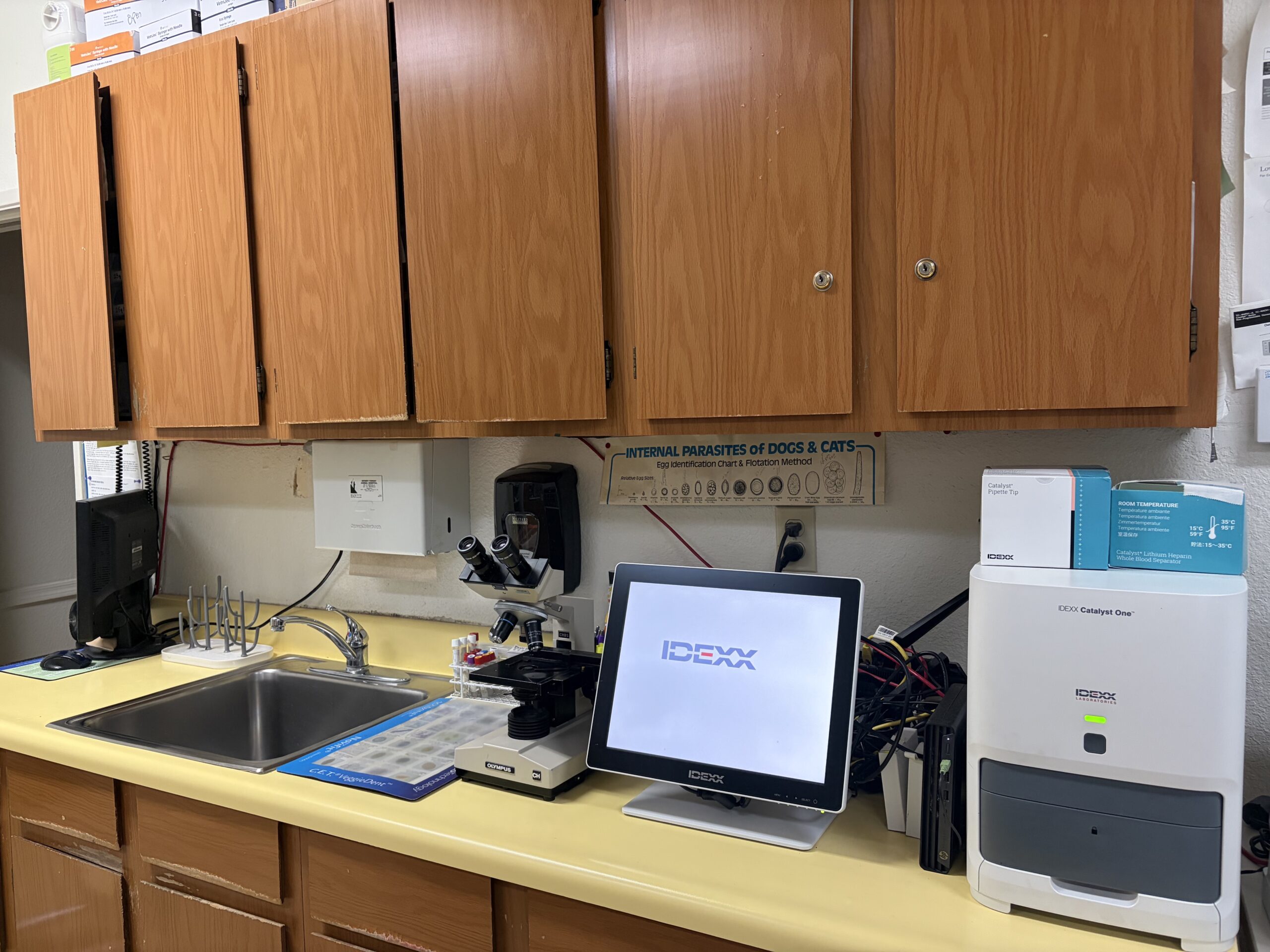
Real equipment, purposeful testing
Desert Forest Animal Hospital has in-house laboratory capabilities, including blood chemistry and hematology testing for dogs and cats. Some specialized tests may require additional processing or a reference laboratory.
Our goal is not to run every possible panel. It is to recommend tests that could change a diagnostic or treatment decision—and explain the findings clearly.
Kidney Blood Tests in Senior Cats: Why BUN and Creatinine Are Only the Beginning
If your older cat drinks more water, urinates more or has lost weight, your veterinarian may consider kidney disease among several possibilities. A chemistry panel typically includes BUN (blood urea nitrogen) and creatinine; an SDMA test may also be helpful in selected cases.
An elevated BUN or creatinine does not automatically mean chronic kidney disease. Dehydration can increase these results, while reduced muscle mass can make creatinine appear less elevated than expected. The veterinarian may check urine concentration, examine trends, assess hydration and blood pressure, and recommend repeat testing.
The 2026 iCatCare consensus guidelines on feline chronic kidney disease emphasize confirming persistent or chronic kidney changes and interpreting laboratory findings alongside urinalysis and the patient’s condition. Once chronic kidney disease is diagnosed, the International Renal Interest Society (IRIS) staging approach guides assessment in clinically stable, adequately hydrated patients; a single abnormal blood result is not enough to assign a stage.
Why a urine sample matters
Urine specific gravity helps evaluate how effectively the kidneys concentrate urine. Urinalysis can also detect glucose, protein, blood and cellular or inflammatory changes. Depending on the findings, urine protein measurements, culture or imaging may be indicated. Blood pressure is especially relevant because hypertension can accompany kidney disease and harm other organs.
A cat can have kidney disease and a thyroid disorder at the same time. This is one reason we interpret results as a whole rather than treating any one number in isolation.
Thyroid and Diabetes Testing: Two Common Reasons an Older Cat Loses Weight
Hyperthyroidism: is your cat losing weight but eating more?
An older cat that eats enthusiastically but loses weight may have an overactive thyroid. Other possible signs include increased vocalization, restlessness, vomiting or an unkempt coat. A total T4 blood test is commonly used to screen for this condition.
Sometimes early hyperthyroidism is not obvious on a single T4 result. If the history and examination remain concerning, repeat testing or additional thyroid tests may be appropriate. Learn more from the Cornell Feline Health Center.
Diabetes: does your cat drink and urinate more?
Weight loss, increased thirst, larger litter-box clumps and an increased appetite can occur with diabetes. The veterinarian evaluates blood glucose together with symptoms and urine findings; persistent abnormalities may support a diagnosis.
Some cats develop temporary stress hyperglycemia at the clinic. When results are unclear, repeat testing or a fructosamine measurement may help distinguish sustained high glucose from a stress response. See Cornell’s feline diabetes guide.
Don’t wait for a routine screening visit if your cat seems very ill. Collapse, marked weakness, breathing difficulty, repeated vomiting with inability to keep water down, or straining with little to no urine—especially in a male cat—warrant prompt veterinary attention or emergency care. Call (480) 488-2010 during hospital hours for guidance; DFAH is not a 24-hour emergency hospital.
What to Expect at a Senior Cat Blood-Work Appointment in Cave Creek
- History and examination. We review weight trends, medications, appetite, thirst, litter-box changes, mobility and other concerns; the doctor examines your cat before deciding which tests are appropriate.
- A diagnostic plan and estimate. CBC, chemistry, T4, urinalysis, blood pressure or other tests may be recommended, depending on the findings and your priorities.
- Sample collection and laboratory testing. Blood is generally obtained from a vein using careful handling. Some results may be available through in-house equipment; specialized testing can take longer.
- Interpretation and next steps. Your veterinarian reviews the results in context, explains abnormal or changing values, and discusses monitoring, treatment or additional testing if needed.
Helping your cat feel more comfortable
Bring your cat in a secure carrier with familiar bedding, and tell us about prior veterinary stress, fear or pain. Quinn Bauer, DVM, is a Fear Free Certified veterinarian at DFAH. Our team uses behavior-aware handling when medically appropriate; pre-visit medication or a modified plan may help selected cats. Ask before giving any medication or withholding food. Read about our Fear Free veterinary-care approach.
Looking for a “vet near me” for senior cat blood work?
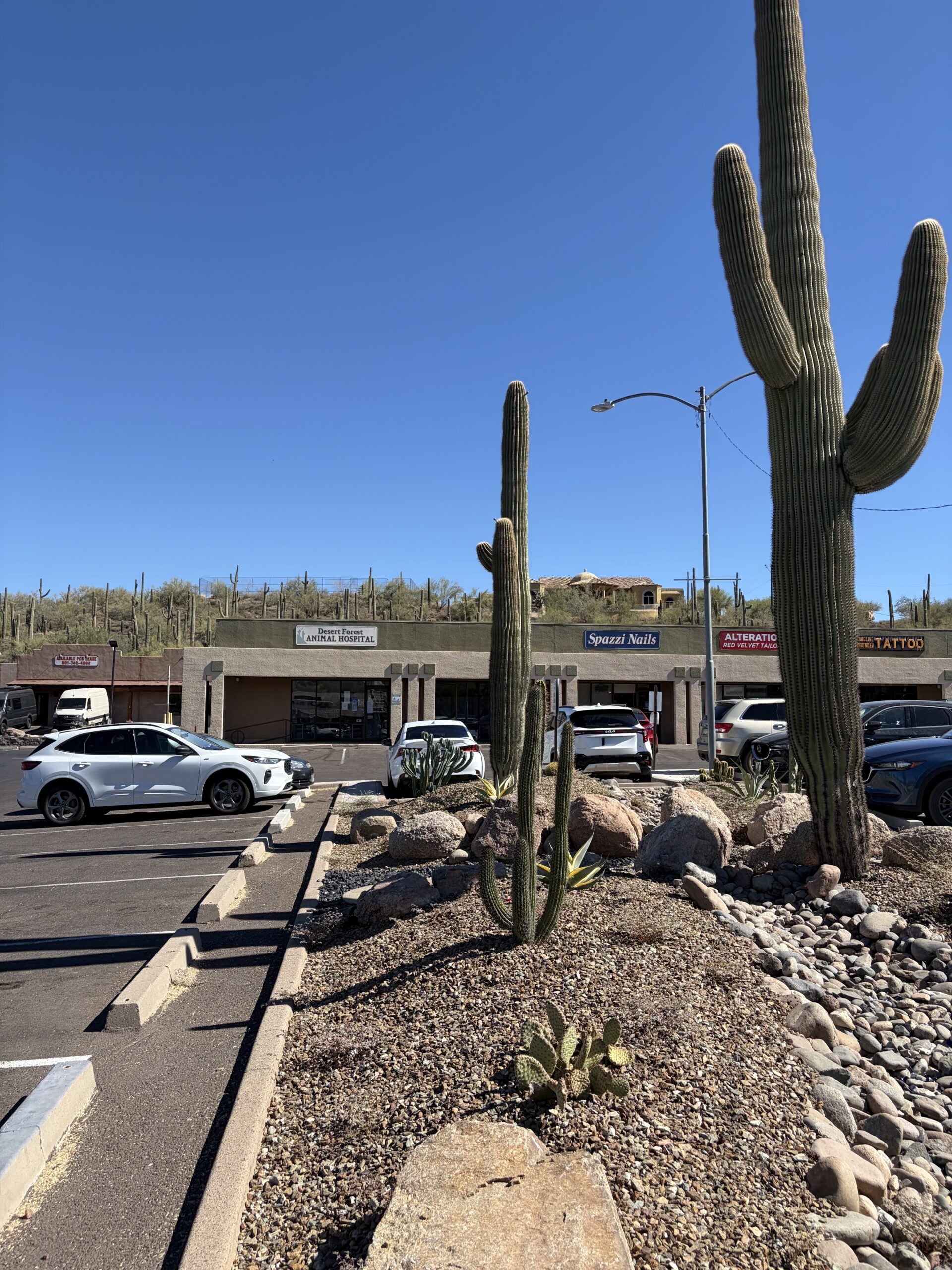
Our hospital is physically located at 6554 E Cave Creek Road, Cave Creek, AZ 85331 . We welcome cat owners from Cave Creek, Carefree, Desert Mountain, Terravita, Dove Valley Ranch and nearby North Scottsdale . Whether you are searching for a “vet near me,” a feline wellness exam, or cat kidney and thyroid testing, we can discuss appropriate diagnostic options at our single Cave Creek location.
For Desert Mountain families, our Desert Mountain veterinarian guide discusses seasonal travel and locally relevant pet-health concerns. For Carefree families, visit our Carefree-area veterinary care page. New to the clinic? Start with our New Client Center.
Senior Cat Blood Work: Frequently Asked Questions
At what age should my cat start having regular blood work?
Screening often becomes more important during the mature-adult years (approximately ages 7–10), with more frequent assessment for cats older than 10. Guidelines offer age-based starting points, but a veterinarian should tailor timing to the cat’s history, symptoms, medications and prior results.
How often should a healthy senior cat have a blood test?
Many senior cats benefit from laboratory screening approximately every 6–12 months; the specific interval depends on the individual cat. Known kidney, thyroid or other conditions may require more frequent follow-up.
Should my cat fast before blood work?
Not always. Some tests or imaging procedures have special preparation requirements, while fasting can be inappropriate for certain cats with medical conditions or medications. Contact our team for your cat’s specific instructions; never withhold food from a diabetic or unwell cat without veterinary guidance.
Does an elevated creatinine result mean my cat has kidney failure?
No. Creatinine is affected by hydration and muscle mass, among other factors. Your veterinarian may recommend urinalysis, blood-pressure assessment, repeat blood work or additional tests before determining whether chronic kidney disease is present.
Can a cat have kidney disease even if its blood work looks normal?
Yes. Some early kidney changes may not produce elevated routine blood markers. Weight trends, urine concentration, blood pressure and other findings can provide important clues.
Can stress make a cat’s blood glucose high?
Yes. Stress hyperglycemia can occur in cats during veterinary visits. Persistent blood and urine findings, clinical signs and sometimes fructosamine testing help the veterinarian interpret an elevated glucose result.
Should every older cat have FeLV and FIV tests?
Not automatically at every visit. Testing recommendations depend on previous status, possible exposure, illness, household circumstances and the veterinarian’s assessment. Discuss changes in outdoor access, new-cat contact or unknown testing history.
How soon will my cat’s test results be available?
Timing depends on which tests are ordered. Some results can be generated using DFAH’s in-house laboratory equipment; specialized tests may be processed by a reference laboratory. The team can explain expected timing when the tests are selected.
What does senior cat blood work cost in Cave Creek?
Cost varies with the tests recommended, such as CBC, chemistry, thyroid screening, urinalysis or blood pressure. We can explain the purpose of each recommended test and discuss an estimate before proceeding. Not every cat needs the same panel.
Where can I schedule senior cat blood work near Carefree or Desert Mountain?
Desert Forest Animal Hospital is at 6554 E Cave Creek Road in Cave Creek and serves cats from Carefree, Desert Mountain, Terravita, Dove Valley Ranch and surrounding North Valley neighborhoods. Request an appointment or call (480) 488-2010.
Independent veterinary care since 1984
Schedule a Senior Cat Wellness or Diagnostic Visit
Concerned about weight loss, increased thirst, appetite changes or a recent abnormal blood test? We can help determine which next steps are appropriate for your cat—not simply hand you a list of numbers.
Desert Forest Animal Hospital
6554 E Cave Creek Road, Cave Creek, AZ 85331
Monday–Friday, 9 a.m.–6 p.m. •
Closed Saturday and Sunday
Veterinary Guidelines & Medical References
These professional references informed the article. They are included so owners can explore the evidence and discuss individual results with their veterinarian.
- AAHA/AAFP — Feline Life Stage Guidelines: Diagnostic Testing for Each Life Stage
- AAHA — Senior Care Guidelines: Diagnostic Tests and Recommended Frequencies
- iCatCare — 2026 Consensus Guidelines on Feline Chronic Kidney Disease
- Cornell Feline Health Center — Hyperthyroidism in Cats
- Cornell Feline Health Center — Feline Diabetes