

A veterinary visit should do much more than update vaccines or address a problem after your pet becomes obviously sick.
Regular preventive veterinary care gives your veterinarian an opportunity to understand what is normal for your individual dog or cat, recognize meaningful changes over time, assess changing health risks, and create a healthcare plan that evolves throughout your pet’s life.
At Desert Forest Animal Hospital in Cave Creek, preventive care is individualized rather than based on giving every pet the same vaccines, laboratory tests, medications, or parasite products.
We consider factors such as:
- Age and life stage
- Dog or cat species
- Breed and genetics
- Current and previous medical conditions
- Medications and supplements
- Body weight and muscle condition
- Diet
- Indoor versus outdoor lifestyle
- Travel
- Boarding, daycare, grooming, and social exposure
- Wildlife and desert exposure
- Behavior and emotional health
- Previous laboratory results
- Changes noticed by the family at home
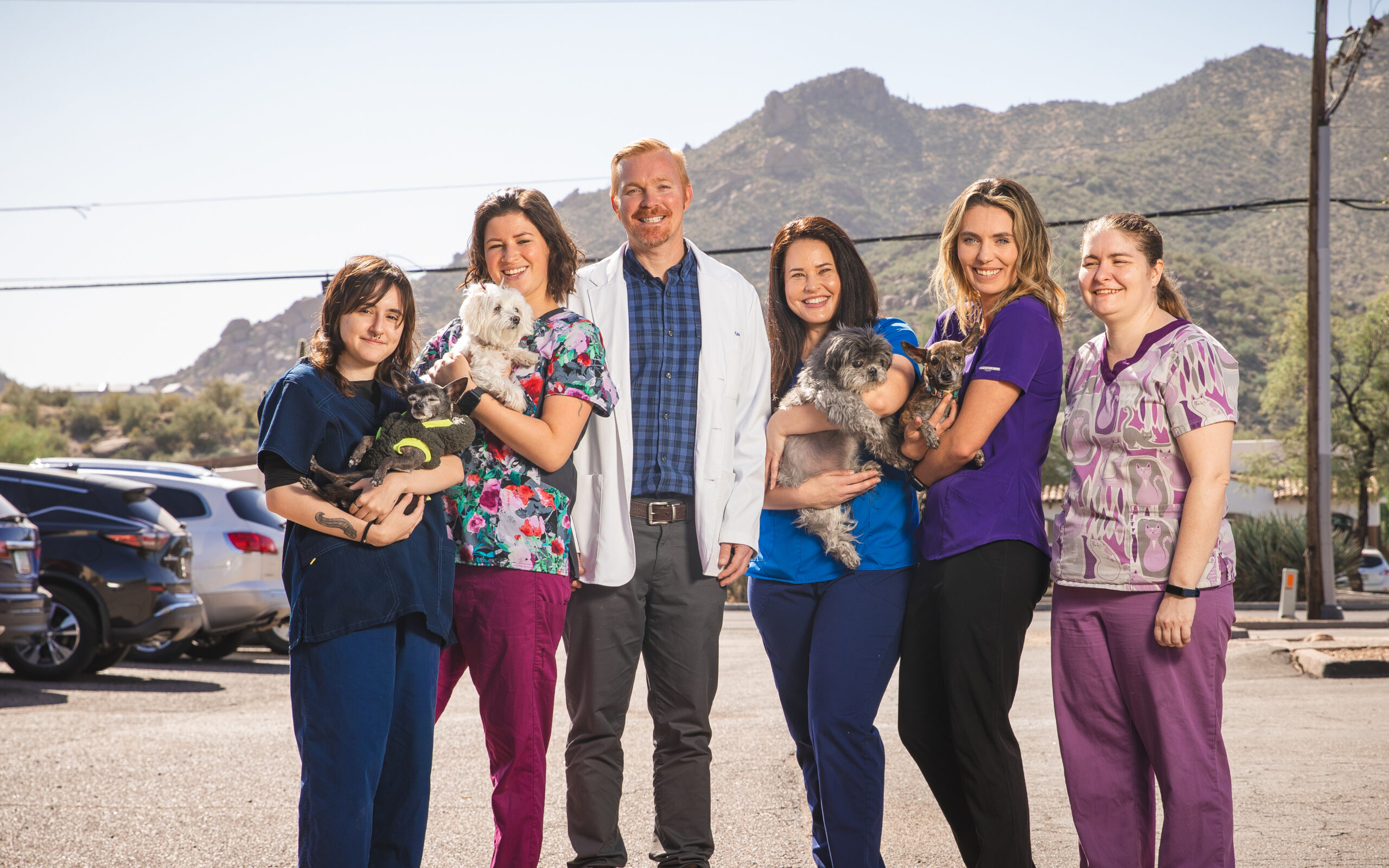
Desert Forest Animal Hospital has served the Cave Creek community since 1984. Our team provides individualized preventive and wellness care, dentistry, diagnostics, surgery, senior-pet medicine, and treatment for dogs and cats who become sick or injured.
We care for families from Cave Creek, Carefree, Desert Mountain, North Scottsdale, Tatum Ranch, Terravita, Desert Hills, Anthem, and surrounding North Valley communities.
How Often Should a Dog or Cat See a Veterinarian?
For most healthy adult dogs and cats, at least one comprehensive veterinary examination each year is an appropriate starting point.
The AAHA/AVMA Preventive Healthcare Guidelines identify regular physical examinations as a foundation of preventive veterinary care.
However, “once a year” should not be treated as a rule that applies to every patient. Some pets benefit from substantially more frequent evaluation.
| Life Stage or Health Situation | Typical Veterinary Follow-Up | Why Visits May Be More Frequent |
|---|---|---|
| Puppies and kittens | Multiple visits during the first year | Vaccinations, parasite control, growth, nutrition, behavior, microchipping, and spay/neuter planning |
| Healthy adult dogs and cats | Generally at least annually | Physical examination, dental health, weight, vaccines, parasite risk, behavior, and individualized screening |
| Senior dogs and cats | Often every 6–12 months | Age-related disease, mobility, chronic pain, kidney/liver health, endocrine disease, cognition, and medication monitoring |
| Pets with chronic disease | Individualized | Disease control, medication monitoring, laboratory testing, and treatment adjustment |
| Pets taking long-term medications | Individualized | Effectiveness, adverse effects, laboratory monitoring, and dosage changes |
| Pets with new symptoms or meaningful changes | Prompt evaluation rather than waiting for the next wellness visit | New symptoms may represent developing illness, pain, injury, or another medical problem |
The AAHA/AAFP Feline Life Stage Guidelines recommend a minimum of annual examinations for cats, with senior cats generally evaluated at least every six months and more frequently when individual medical needs warrant it.
Your veterinarian should determine the appropriate schedule for your individual pet.
What Happens During a Preventive Veterinary Examination?
A comprehensive wellness visit is not simply a vaccination appointment.
Depending on the patient, an examination may include:
- Review of medical and surgical history
- Discussion of medications and supplements
- Weight measurement
- Body-condition assessment
- Muscle-condition assessment
- Heart and lung evaluation
- Dental and oral examination
- Eye and ear examination
- Skin and coat evaluation
- Abdominal palpation
- Joint, mobility, and pain assessment
- Evaluation of lumps or masses
- Nutrition review
- Vaccination assessment
- Parasite-risk assessment
- Behavioral and emotional-health discussion
- Review of appetite, thirst, urination, and bowel habits
- Discussion of age- and risk-appropriate diagnostic testing
Our preventive and wellness care is designed around the individual patient’s current health and future risks rather than a standardized checklist of identical recommendations for every dog or cat.
Why Regular Veterinary Exams Matter Even When a Pet Looks Healthy
Dogs and cats cannot tell us that a tooth has started hurting, climbing the stairs has become more difficult, they are drinking somewhat more water, or they have begun losing muscle mass.
Some medical changes develop gradually enough that families may not recognize them immediately.
A routine examination may identify changes such as:
- Gradual weight gain or weight loss
- Loss of muscle mass
- Dental and periodontal disease
- A new heart murmur or change in heart sounds
- Joint discomfort
- Reduced range of motion
- Skin or ear inflammation
- New lumps or masses
- Changes in eye health
- Changes in hydration
- Altered behavior that may be associated with pain or disease
Finding an abnormality does not automatically mean that a pet has a serious disease or needs an extensive diagnostic workup.
It gives the veterinarian information that can be interpreted in context and helps determine whether the appropriate next step is monitoring, diagnostic testing, treatment, or no immediate intervention.
Why Your Pet’s Medical Baseline Matters
One of the most valuable aspects of an ongoing relationship with a veterinary hospital is the ability to compare today’s findings with your pet’s previous examinations, weights, laboratory values, dental findings, and medical history.
For example, a laboratory result that falls within a broad population reference range may still represent a meaningful change for an individual patient if that value has been consistently different for several years.
Similarly, gradual weight or muscle loss may become more obvious when measurements are compared over time.
Preventive medicine is therefore not simply about “finding disease early.” It is about establishing enough context to recognize when something has meaningfully changed.
Does My Dog or Cat Need Wellness Blood Work Every Year?
Not automatically.
A physical examination provides valuable information, but it cannot tell us everything occurring inside the body.
Depending on age, medications, previous laboratory values, symptoms, medical history, and individual risk, your veterinarian may recommend blood work and diagnostic testing.
Testing may include evaluation of:
- Red blood cells
- White blood cells
- Platelets
- Kidney values
- Liver values
- Blood glucose
- Electrolytes
- Protein levels
- Urinary health
- Selected endocrine function when indicated
Healthy baseline values can also be useful if the patient becomes ill later.
For senior dogs and cats, the AAHA Senior Care Guidelines for Dogs and Cats emphasize individualized monitoring. Depending on health status, age, medications, and previous findings, many older pets benefit from more frequent laboratory assessment.
A healthy young adult animal does not necessarily need the same testing schedule as a 14-year-old cat with chronic kidney disease or a senior dog taking long-term medication.
Vaccination Should Be Individualized—Not Randomly Reduced or Automatically Maximized
Vaccination is one of the most important tools in preventive veterinary medicine, but a good vaccination plan is more thoughtful than simply giving every available vaccine to every pet.
During a dog or cat vaccination visit, we consider:
- Age
- Species
- Previous vaccination history
- Current health
- Previous vaccine reactions
- Indoor versus outdoor lifestyle
- Travel
- Boarding, daycare, grooming, or social exposure
- Wildlife exposure
- Geographic disease risk
- Medical conditions and medications
Current AAHA Canine Vaccination Guidelines classify distemper, adenovirus, parvovirus, rabies, and leptospirosis as core vaccines for dogs unless an individual medical reason changes the recommendation.
Other vaccines, including Bordetella and canine influenza, may be recommended according to lifestyle, geography, travel, and exposure risk.
For pet owners interested in antibody testing, our vaccination guide also explains vaccine titers, including situations in which titer testing may provide useful information and important limitations of those tests.
Parasite Prevention in Cave Creek and the Sonoran Desert
Arizona’s dry climate changes parasite exposure, but it does not eliminate it.
Dogs and cats in Cave Creek and surrounding North Valley communities can still encounter:
- Mosquitoes capable of transmitting heartworm
- Ticks
- Fleas in suitable environments
- Roundworms
- Hookworms
- Whipworms in dogs
- Tapeworms
- Giardia and other intestinal organisms
- Parasites acquired during travel
- Wildlife-associated exposure
The Companion Animal Parasite Council recommends veterinarian-guided parasite testing and prevention strategies that account for the individual pet’s health, environmental exposure, travel, and lifestyle.
Learn more about parasite prevention for dogs and cats at Desert Forest Animal Hospital.
Dental Health Is Preventive Health
Dental disease can be easy to underestimate because important disease may develop below the gumline and pets often continue eating despite oral discomfort.
During routine examinations, veterinarians look for:
- Plaque and tartar
- Gingivitis
- Periodontal disease
- Broken or worn teeth
- Loose teeth
- Oral masses
- Evidence of pain
- Changes that may interfere with normal eating or chewing
When abnormalities are identified, recommendations may range from monitoring and home care to a professional anesthetized dental procedure with diagnostic dental imaging when indicated.
Learn more about pet dental care and professional teeth cleaning at Desert Forest Animal Hospital.
You can also review 10 signs your dog or cat may need a dental evaluation.
Puppies and Kittens Need Much More Than Vaccines
The first year of life establishes important foundations for long-term health.
Our puppy and kitten care may include:
- Complete physical examinations
- Individualized vaccination planning
- Intestinal-parasite testing
- Deworming when indicated
- Heartworm and other parasite prevention
- Nutrition and growth assessment
- Behavior and socialization guidance
- Microchipping
- Individualized spay or neuter planning
- Discussion of household and environmental hazards
Early visits also provide opportunities to help puppies and kittens become more comfortable with transportation, handling, and veterinary examinations.
Why Indoor Cats Still Need Veterinary Care
An indoor lifestyle changes some disease risks, but it does not eliminate the need for preventive veterinary care.
Indoor cats can still develop:
- Dental disease
- Obesity
- Arthritis
- Kidney disease
- Hyperthyroidism
- Diabetes
- Urinary disease
- Heart disease
- Cancer
- Behavioral or environmental problems
Cats are also particularly good at masking discomfort and illness. Changes in jumping, grooming, sleeping location, litter-box use, appetite, interaction, or activity may be clinically meaningful even when the cat is still eating and behaving relatively normally.
AAHA/AAFP feline guidance recommends at least annual examinations throughout adult life, with more frequent visits for senior cats and cats with medical conditions.
For cats that find veterinary visits stressful, learn more about our Fear Free-informed approach to feline veterinary care.
Senior Dogs and Cats Often Need Closer Monitoring
Aging itself is not a disease.
However, advancing age increases the likelihood of medical conditions that may initially produce subtle changes.
Our senior pet care may place additional emphasis on:
- Kidney and liver health
- Weight and muscle loss
- Arthritis and chronic pain
- Dental disease
- Heart disease
- Endocrine disorders
- Vision and hearing
- Cognitive and behavioral changes
- Medication monitoring
- Mobility
- Home-environment modifications
- Quality of life
A change that appears to be “just old age” can sometimes reflect pain or another medical condition that may be manageable.
The AAHA Senior Care Guidelines emphasize medical care, behavior, comorbidities, mobility, environmental modification, and individualized diagnostic monitoring for older pets.
Learn more about senior dog and cat care at Desert Forest Animal Hospital, including individualized examination schedules, laboratory monitoring, mobility, chronic-disease management, dental health, and quality-of-life support.
Nutrition and Healthy Weight Matter at Every Life Stage
A good nutrition plan should change as a pet grows, ages, becomes more or less active, or develops medical conditions.
Preventive visits provide an opportunity to assess:
- Body condition
- Muscle condition
- Calorie intake
- Diet quality
- Treats
- Supplements
- Feeding patterns
- Weight trends
Pets with obesity, gastrointestinal disease, kidney disease, food sensitivities, growth concerns, or other nutritional needs may benefit from more focused veterinary nutrition counseling.
Behavior Changes Can Be Medical Clues
Changes in behavior deserve attention because pain and illness do not always appear as obvious physical symptoms.
Contact your veterinarian if you notice persistent or unexplained changes such as:
- Hiding or withdrawal
- Irritability
- Restlessness
- Unusual vocalization
- House-soiling
- Changes in sleep
- Reluctance to be touched
- New fearfulness
- Difficulty jumping or climbing
- Changes in interaction with family members
Sometimes the cause is primarily behavioral. In other cases, a behavioral change may be the first visible sign of pain or disease.
A veterinary examination can help determine whether an underlying medical cause should be investigated.
Fear Free Veterinary Care for Nervous Dogs and Cats
Preventive care becomes much harder when a dog or cat experiences intense fear every time they enter a veterinary hospital.
Dr. Quinn Bauer, DVM is a Fear Free Certified veterinarian who considers body language, emotional state, previous experiences, and the patient’s response to handling as part of the visit.
Our Fear Free veterinary care may include:
- Behavior-aware handling
- Reducing unnecessary restraint
- Allowing acclimation time when medically appropriate
- Positive reinforcement
- Adapting examination techniques to the individual pet
- Discussing pre-visit medication for selected patients when medically appropriate
When a pet is seriously ill or injured, medical stabilization comes first. Fear Free principles are used when they can be incorporated safely into the patient’s care.
Preventive Care in the Sonoran Desert Requires Local Knowledge
Living in Cave Creek and neighboring Sonoran Desert communities presents health considerations that may be less relevant in other parts of the country.
Depending on lifestyle and exposure, local veterinary discussions may include:
- Valley Fever
- Rattlesnake exposure
- Heat exposure and dehydration
- Cactus and cholla injuries
- Scorpion encounters
- Wildlife exposure
- Desert hiking
- Travel-related parasite or infectious-disease risk
An active dog that regularly hikes desert trails may need a different preventive-care conversation from an indoor dog with limited outdoor exposure.
Likewise, a cat living entirely indoors may have a different infectious-disease profile while still requiring ongoing dental, nutritional, metabolic, urinary, mobility, and age-related health assessment.
Because rattlesnake exposure is a specific concern in this part of Arizona, pet owners can also review our rattlesnake bite guide for dogs and cats.
When a Routine Concern Should Become a Same-Day or Emergency Visit
Preventive care is designed to identify health concerns before they become urgent, but new symptoms should not be postponed simply because your pet has a wellness visit scheduled in the future.
Call your veterinarian promptly if your dog or cat develops:
- Repeated vomiting
- Severe or persistent diarrhea
- Marked lethargy or sudden weakness
- Significant or rapidly worsening pain
- Difficulty urinating or inability to urinate
- Sudden facial swelling or a significant allergic reaction
- A painful injury
- Sudden inability to bear weight
- Rapidly worsening coughing
- Abnormal breathing
- Suspected toxin exposure
- A suspected rattlesnake bite
- Another significant change that cannot reasonably wait for a routine appointment
During regular hospital hours, Desert Forest Animal Hospital can evaluate many stable dogs and cats with unexpected illnesses and injuries. If your pet suddenly becomes sick, call (480) 488-2010 before coming in so our team can discuss what you are seeing and help determine the appropriate level of care.
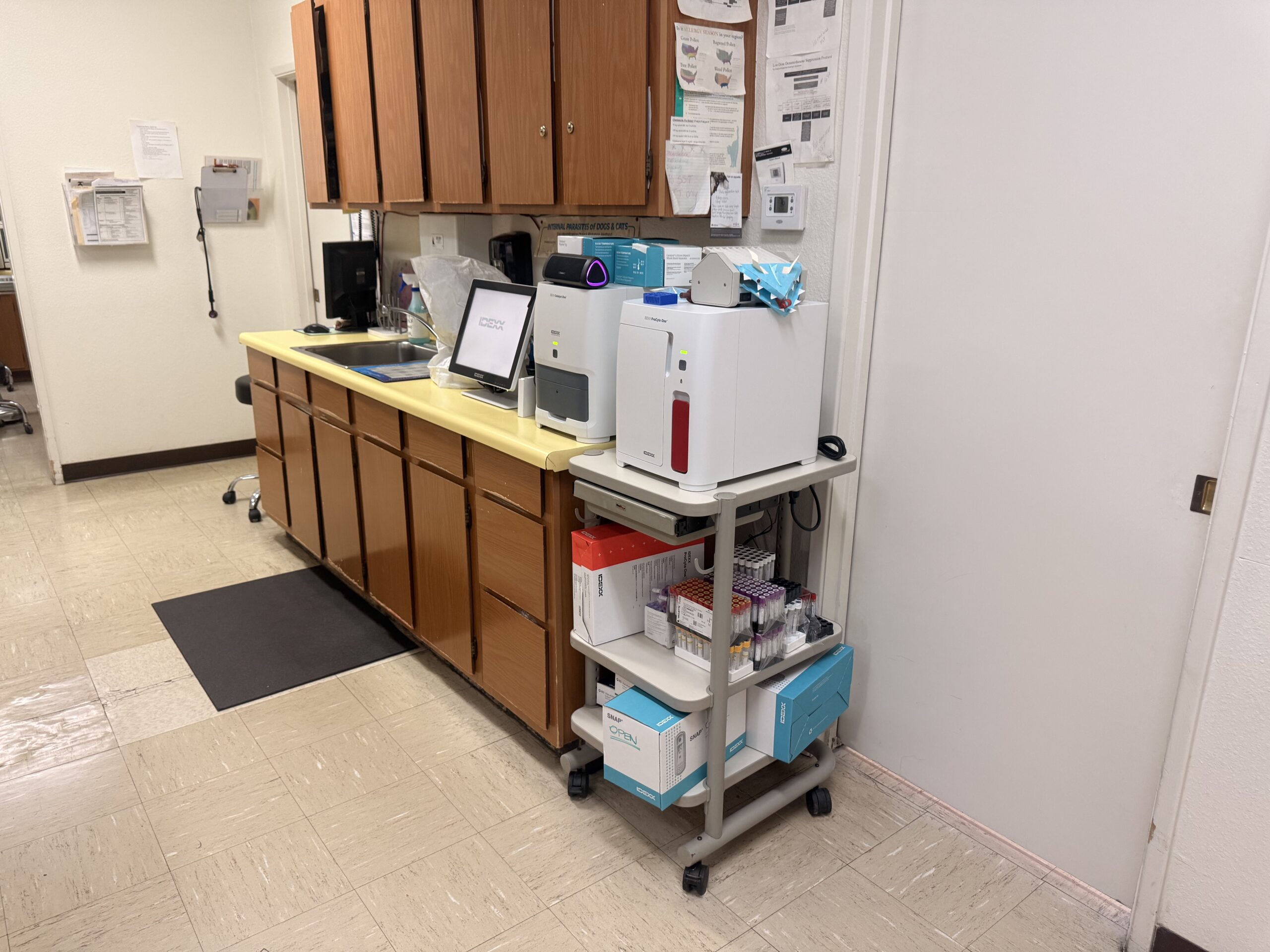
Depending on the patient’s symptoms, our veterinarians may use in-house diagnostic testing, digital X-rays, abdominal ultrasound, or other testing when medically appropriate.
Severe respiratory distress, persistent unconsciousness, major trauma, uncontrolled bleeding, prolonged or repeated seizures without adequate recovery, or another immediately life-threatening problem may require direct treatment at a 24-hour emergency hospital.
Learn more about urgent veterinary care at Desert Forest Animal Hospital →
Preventive Veterinary Care Should Change as Your Pet Changes
Good preventive medicine is not a fixed checklist.
A puppy’s health plan should not look like a senior dog’s. A young adult cat may not need the same diagnostic monitoring as a senior cat with chronic kidney disease.
Recommendations can also change because of:
- A new diagnosis
- Weight gain or loss
- A new medication
- Travel
- A move to a different region
- Changes in activity
- Boarding or daycare
- A new pet in the household
- Changes in diet
- Pregnancy or breeding status
- Changes associated with aging
This is one reason continuity with a veterinary team can be valuable. The more context your veterinarian has about your pet’s history and normal baseline, the easier it is to interpret a new finding in the context of that individual patient.
Preventive Veterinary Care for Cave Creek, Carefree, Desert Mountain & North Scottsdale Pets
Desert Forest Animal Hospital is located at:
6554 E Cave Creek Road
Cave Creek, AZ 85331
We provide preventive veterinary care for dogs and cats from Cave Creek, Carefree, Desert Mountain, North Scottsdale, Tatum Ranch, Terravita, Desert Hills, Anthem, and surrounding North Valley communities.
Because pets living in the Sonoran Desert may have different exposure risks than pets in other parts of the country, preventive recommendations may incorporate lifestyle, hiking and outdoor activity, wildlife exposure, heat, travel, parasites, Valley Fever risk, and other aspects of life in Arizona.
Families near Carefree can learn more about veterinary care for dogs and cats near Carefree, Arizona.
If you are new to our hospital, visit our New Client Center to learn what to bring and what to expect at your first appointment.
Frequently Asked Questions About Preventive Veterinary Care
How often should my dog see a veterinarian?
Most healthy adult dogs should have a comprehensive veterinary examination at least annually. Puppies, senior dogs, dogs taking long-term medications, and dogs with chronic medical conditions may need more frequent evaluation. The appropriate schedule depends on the individual patient.
How often should my cat see a veterinarian?
Current feline life-stage guidance recommends at least annual veterinary examinations for cats. Senior cats generally benefit from examination at least every six months, with more frequent monitoring when chronic disease or other medical needs are present.
Does my pet need a wellness examination if they seem perfectly healthy?
Yes. Preventive examinations allow veterinarians to document your pet’s normal baseline, review changing health risks, assess dental and nutritional health, and look for abnormalities that may not be obvious at home.
Is a wellness visit just for vaccinations?
No. Vaccination is only one part of preventive medicine. A wellness visit may also include a complete physical examination, dental assessment, weight and nutrition review, parasite-risk assessment, pain and mobility evaluation, behavioral discussion, and individualized diagnostic testing when appropriate.
Does every dog or cat need every vaccine?
No. Some vaccines are considered core, while others depend on species, lifestyle, geography, travel, exposure, previous vaccination history, and individual medical considerations. Vaccination recommendations should be made for the individual patient.
Does an indoor cat still need veterinary examinations?
Yes. Indoor cats can still develop dental disease, obesity, arthritis, kidney disease, thyroid disease, diabetes, urinary disorders, heart disease, cancer, and other medical conditions. Cats may also show very subtle signs of pain or illness.
Does my pet need blood work every year?
Not automatically. The need and frequency of laboratory testing should reflect age, medical history, medications, previous results, physical examination findings, symptoms, and individual risk. Your veterinarian should be able to explain what each recommended test evaluates and why it may be useful.
How often should senior dogs and cats be examined?
Many senior pets benefit from veterinary evaluation approximately every six months. The exact interval depends on the pet’s age, species, medical conditions, medications, mobility, previous diagnostic results, and overall health.
What if my dog or cat is extremely anxious at the veterinarian?
Tell our team before the appointment. Desert Forest Animal Hospital incorporates Fear Free principles, and Dr. Quinn Bauer is a Fear Free Certified veterinarian. Depending on the individual patient, changes in handling, visit preparation, or pre-visit medication may help reduce fear and stress when medically appropriate.
Can Desert Forest Animal Hospital see my pet if they suddenly become sick?
Often, yes. During regular hospital hours, Desert Forest Animal Hospital evaluates many stable dogs and cats with unexpected illnesses or injuries. Call (480) 488-2010 before coming in so our team can discuss your pet’s symptoms and help determine whether our hospital or a 24-hour emergency facility is the appropriate destination.
Trusted Preventive-Care Resources
- AAHA/AVMA Preventive Healthcare Guidelines
- AAHA/AAFP Feline Life Stage Guidelines
- AAHA Canine Vaccination Guidelines
- AAHA Senior Care Guidelines for Dogs and Cats
- Companion Animal Parasite Council — General Guidelines for Dogs and Cats
Schedule Preventive Veterinary Care in Cave Creek
Preventive veterinary care should be built around your individual dog or cat—not a one-size-fits-all checklist.
Whether you have a new puppy or kitten, a healthy adult pet, an active desert-hiking dog, an indoor cat, or a senior companion who needs closer monitoring, our veterinary team can help create a plan appropriate for your pet’s current life stage and health.
Desert Forest Animal Hospital
6554 E Cave Creek Road
Cave Creek, AZ 85331
(480) 488-2010
New to Desert Forest Animal Hospital? Learn what to expect at your first visit →
Medical Review & Editorial Standards
Medically reviewed by Bryan Hayter, DVM
Owner & Medical Director
Desert Forest Animal Hospital
Cave Creek, Arizona
Last medically reviewed: September 2026
This article was reviewed for medical accuracy and is intended to help pet owners understand preventive veterinary care, life-stage recommendations, and situations in which earlier veterinary evaluation may be appropriate. Clinical recommendations are individualized according to the patient’s age, species, breed, medical history, medications, lifestyle, examination findings, and individual risk.
Our educational content references established veterinary guidance from organizations including the American Animal Hospital Association (AAHA), American Veterinary Medical Association (AVMA), American Association of Feline Practitioners (AAFP), and Companion Animal Parasite Council (CAPC).
This article provides general educational information and does not replace a physical examination, diagnosis, or individualized veterinary recommendations. If your pet develops severe difficulty breathing, collapse, major trauma, uncontrolled bleeding, a prolonged seizure, repeated seizures without adequate recovery, or another immediately life-threatening condition, seek emergency veterinary care promptly.