
Feline Wellness & Preventive Veterinary Care
Cat Veterinarian in Cave Creek, AZ: Wellness, Dentistry & Personalized Care
From a kitten’s first vaccines to a senior cat’s kidney, thyroid and diabetes screening, thoughtful veterinary care begins with knowing the individual cat.
At Desert Forest Animal Hospital, our independently owned Cave Creek veterinary hospital provides feline examinations, dental care, individualized vaccination plans, parasite prevention and diagnostic testing. We consider your cat’s health, age, personality and indoor or outdoor lifestyle rather than recommending the same plan for every patient.
Welcoming cats from Cave Creek, Carefree, Desert Mountain, Terravita, Dove Valley Ranch and nearby North Scottsdale.
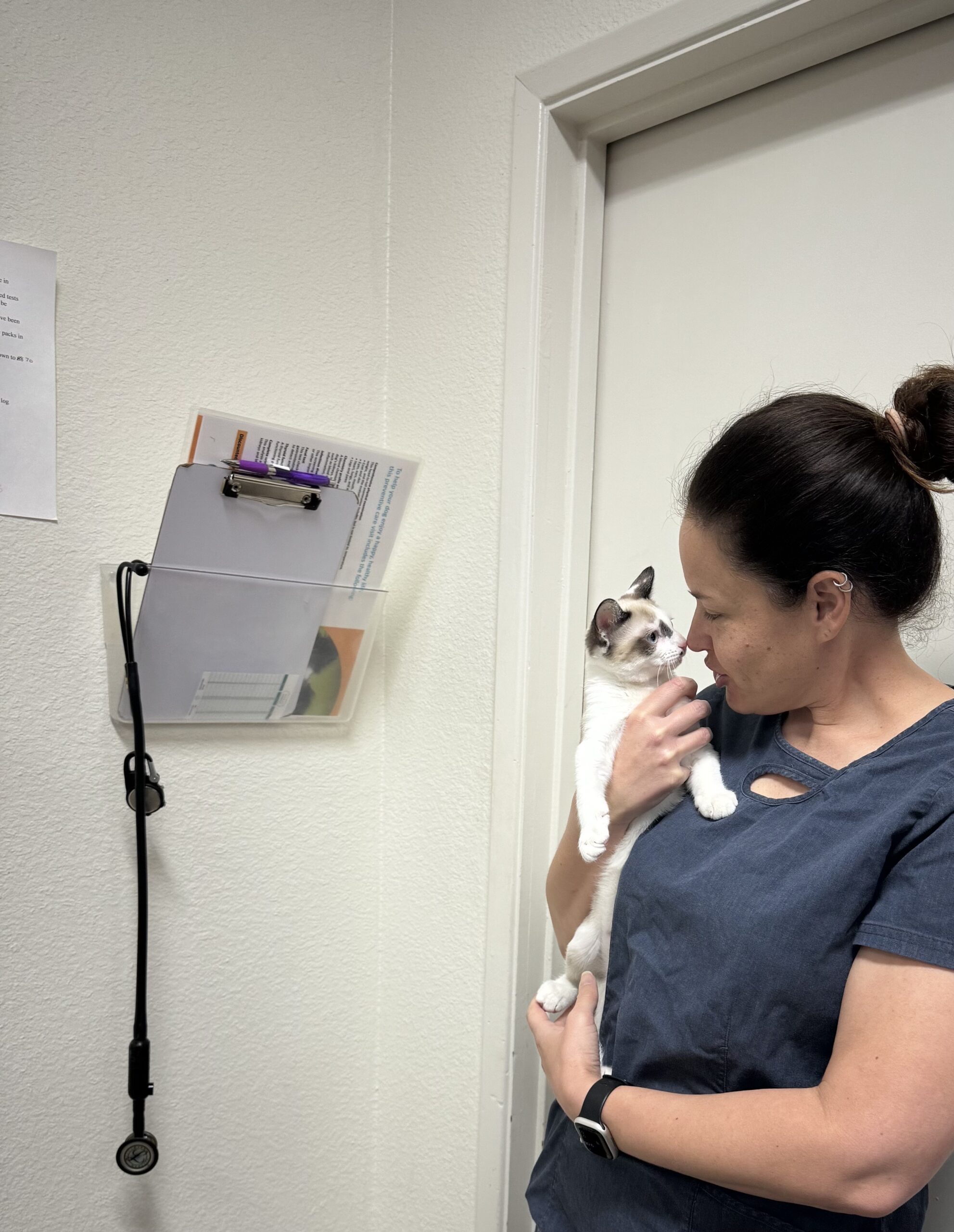
More than an annual vaccine visit
Why Does My Cat Need a Wellness Examination When They Seem Healthy?
Cats are often exceptionally good at concealing illness. A cat who still eats, purrs and finds a favorite sunny spot may nevertheless be developing painful dental disease, early kidney changes, arthritis, thyroid disease or diabetes. Subtle changes can be easier to recognize when we know your cat’s usual weight, appetite and behavior.
During a feline wellness examination, our veterinary team reviews changes you notice at home and evaluates your cat from nose to tail. We consider weight and muscle condition, the teeth and gums, heart and lungs, skin and coat, abdomen, comfort and mobility, and the need for additional testing. The examination also creates an opportunity to talk about nutrition, litter-box habits and preventive care.
Most healthy adult cats benefit from at least annual veterinary examinations. Kittens and many senior cats require more frequent visits, and cats with chronic conditions need an individualized follow-up schedule. Our preventive and wellness care service explains how we approach routine examinations.
Kitten Care
Developmental examinations, vaccine series, parasite evaluation, nutrition, retrovirus testing, identification and early dental assessment.
Adult Cat Care
Ongoing dental evaluation, healthy-weight support, vaccine review, parasite prevention and screening based on individual risk.
Senior Cat Care
Closer attention to weight, muscle, teeth, mobility, blood pressure, kidney function, thyroid disease and diabetes.
A priority for lifelong feline health
Cat Dental Care in Cave Creek: Why Teeth Matter Even When Your Cat Still Eats
One of the most frequently overlooked sources of pain in cats is oral disease. Cats with inflamed gums, periodontal disease or damaged teeth may continue to eat normally, making discomfort difficult for owners to recognize. They may instead chew on one side, drop food, avoid hard treats, groom less, develop unpleasant breath or become more withdrawn.
We evaluate oral health during wellness appointments and recommend further dental assessment when appropriate. Desert Forest Animal Hospital offers veterinary dental examinations, professional anesthetic dental cleaning, dental radiography when medically indicated and treatment planning for diseased or painful teeth.
Common Feline Dental Problems
- Gingivitis: inflammation of the gums that may be associated with plaque or other oral conditions.
- Periodontal disease: damage to the structures supporting the teeth.
- Tooth resorption: a painful process in which tooth structure breaks down, sometimes beneath the gumline.
- Fractured or infected teeth: conditions that may require imaging and treatment.
Why Dental X-Rays Matter
Important dental pathology can be hidden below the gumline. Dental X-rays and a thorough oral examination under anesthesia help the veterinarian evaluate teeth more completely and choose the appropriate treatment.
Brushing and home dental care can help prevention, but they cannot replace the evaluation and treatment of existing dental disease.
Read more about cat dental cleanings and dental X-rays in Cave Creek, or explore our detailed article about feline tooth resorption and the painful dental problems cats often hide.
Protection based on real exposure risk
Which Vaccines Does My Indoor or Outdoor Cat Need?
Feline vaccination is not a one-size-fits-all schedule. We review your cat’s age, documented vaccine history, health, prior reactions and lifestyle before recommending vaccines that are due and medically appropriate.
FVRCP
This combination vaccine protects against feline herpesvirus-1, calicivirus and panleukopenia. It is an important component of core feline vaccination, including for indoor cats.
Rabies
Rabies is a fatal viral disease of major public-health importance. We discuss vaccination in light of recommended medical protection, prior vaccination, product labeling and applicable requirements.
Feline Leukemia (FeLV)
FeLV vaccination is recommended for kittens and young cats under current feline guidelines. Ongoing vaccination in older cats depends on the likelihood of exposure to infected cats.
A cat who goes outdoors, lives with cats of unknown FeLV status, enters a new multi-cat household or may encounter unfamiliar cats can have a different exposure profile from a cat with a stable indoor-only lifestyle. Kittens may also need FeLV/FIV testing based on history and risk.
Even indoor cats need an individualized preventive plan: accidental escape, boarding, travel and household changes can alter exposure over time. Our Cave Creek cat vaccination guide explains core versus lifestyle-based recommendations, vaccine timing and the importance of avoiding unnecessary duplicate doses.
A care plan that fits the household
Indoor Cat vs. Outdoor Cat: How We Personalize Preventive Care
Where your cat spends time matters, but indoor-only does not mean risk-free. Both indoor and outdoor cats need examinations, dental assessment and age-appropriate disease screening. The difference is how we evaluate infectious-disease exposure, parasites, injuries, travel and contact with other animals.
| Care Consideration | Indoor Cat | Outdoor / Indoor-Outdoor Cat |
|---|---|---|
| Vaccination | Core vaccine review; FeLV decisions based on age and exposure history. | Core vaccine review and particular attention to FeLV risk and contact with other cats. |
| Flea & Parasite Prevention | Protection remains important; exposure can occur through other pets and household environments. | Additional attention to environmental exposure, hunting, fleas, ticks and intestinal parasites. |
| Dental & General Health | Routine examinations and dental evaluations. | The same routine care, plus evaluation of outdoor injuries and changing exposure risks. |
| Identification | Microchipping is valuable in case of escape. | Microchipping and current contact information are especially important. |
| Bloodwork | Kidney, thyroid, diabetes and other testing decisions depend on age, history and clinical findings—not indoor/outdoor status alone. | |
What If You Recently Adopted Another Cat?
Adding a kitten, introducing a rescue cat, or bringing an outdoor cat into the household can change the appropriate screening and prevention plan. We can discuss FeLV/FIV testing, vaccination history, parasite control, gradual introductions and safe separation when needed.
We also recommend microchipping for cats, including indoor-only pets who might slip outside.
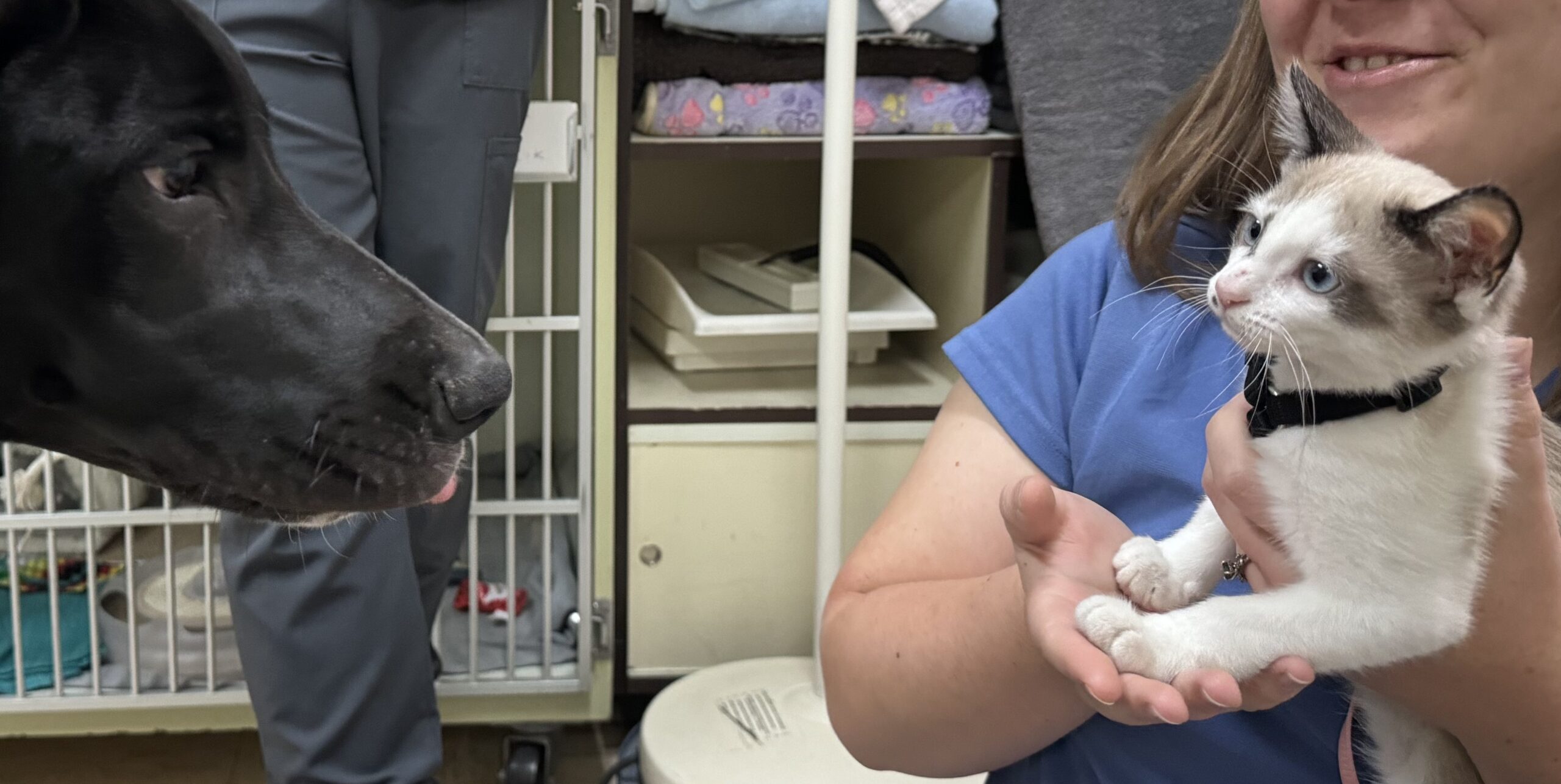
Prevention that protects the whole home
Flea Control for Cats in Cave Creek: Even Indoor Cats Can Be Exposed
Fleas do not check whether a cat is officially an indoor pet. They can enter environments with other animals, and an established infestation can be difficult to eliminate without a consistent plan.
Our veterinarians help families select appropriate flea control based on a cat’s age, weight, medical history, household animals and exposure. Outdoor access, neighborhood animals, seasonal changes and travel can all influence prevention needs.
Why We Individualize Flea Prevention
- Flea bites can cause itching, discomfort and flea-allergy dermatitis in susceptible cats.
- Cats may ingest infected fleas while grooming, potentially acquiring tapeworms.
- Other household pets may maintain or introduce an infestation.
- The safest and most suitable product depends on the individual cat, not just the season.
Explore our parasite-prevention services. If your cat is scratching, losing fur or developing skin irritation, our veterinary dermatology services can help investigate the cause.
Screening for changes cats may hide
Feline Wellness Bloodwork: Checking Kidney Function, Thyroid & Diabetes Risk
A wellness blood panel is not intended to find every disease. Its value is helping your veterinarian evaluate particular concerns, establish useful baselines and recognize changes over time.
Desert Forest Animal Hospital offers in-house diagnostic capabilities, including blood-chemistry and hematology testing. Depending on the individual case, additional tests such as urinalysis, thyroid measurement or specialized reference-laboratory testing may be recommended.
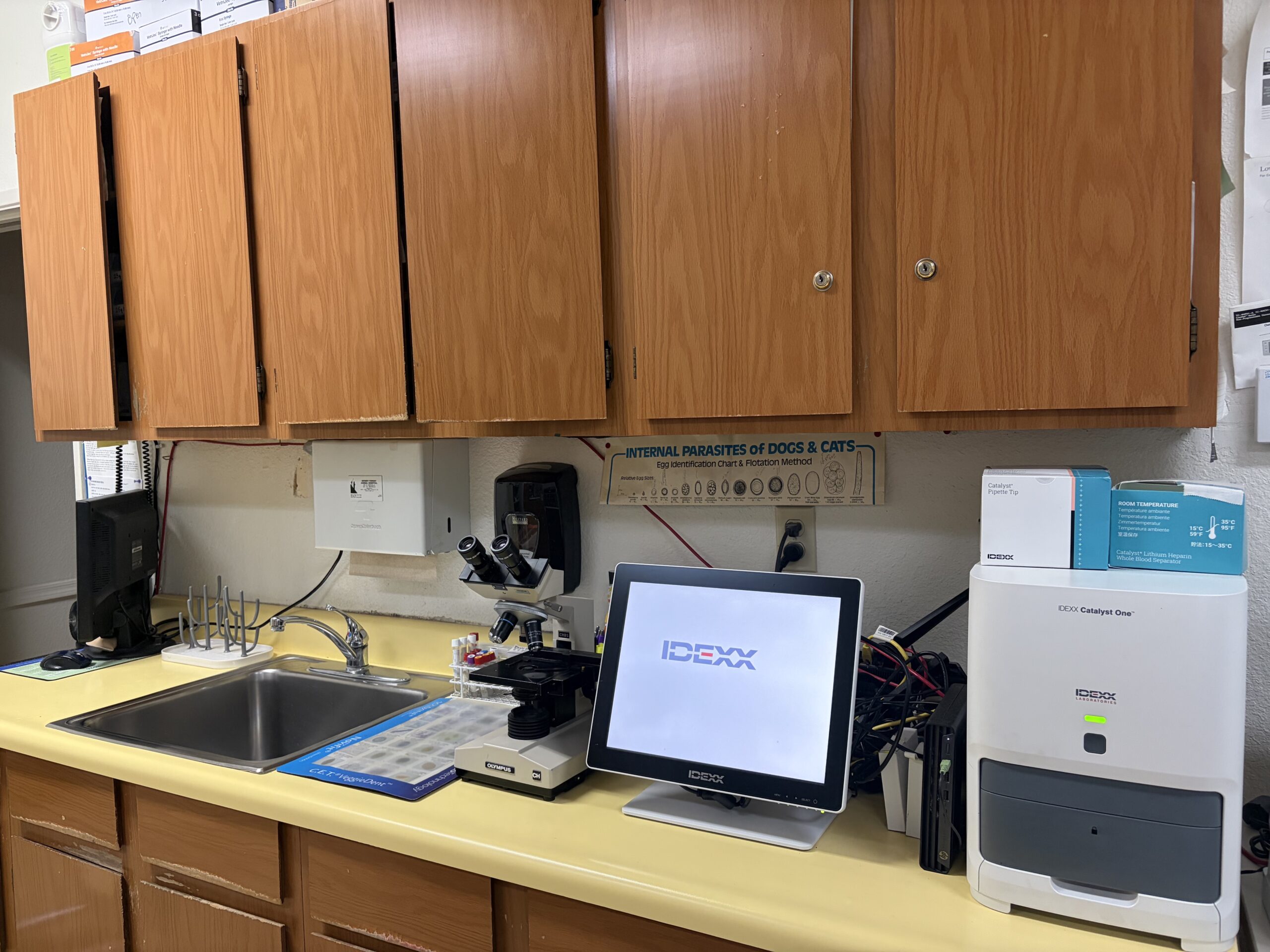
1. Kidney Disease
Kidney changes can develop gradually, especially in older cats. Screening may include creatinine, BUN, SDMA when indicated, electrolytes and urinalysis. Blood pressure and urine protein testing may be useful in selected cats.
Increased drinking, larger urine clumps, weight loss and reduced appetite warrant evaluation, although early kidney disease may produce no obvious signs.
2. Hyperthyroidism
An overactive thyroid gland is common in older cats. A total T4 blood test is often part of the initial evaluation when thyroid disease is suspected or screening is appropriate.
Clues can include weight loss despite a strong appetite, increased thirst, restlessness, vocalization or a change in coat condition.
3. Diabetes Mellitus
Diabetes may cause increased thirst, larger urine volumes, weight loss and changes in appetite. Blood glucose and urine testing are important components of an evaluation.
Because stress can temporarily raise glucose in cats, additional tests such as fructosamine may help clarify uncertain findings.
What Might a Feline Wellness Panel Include?
- Complete blood count (CBC): evaluates red and white blood cells and platelets.
- Blood chemistry: helps assess kidney and liver values, glucose, proteins and electrolytes.
- Urinalysis: assesses urine concentration and may reveal abnormalities including glucose, protein or evidence of inflammation.
- Thyroid testing: evaluates T4 when age, symptoms or examination findings make it appropriate.
- Blood-pressure measurement: may be particularly helpful for older cats or those with kidney or thyroid disease.
Not every cat requires every test at every appointment. Results need to be interpreted alongside the examination, history, hydration status, medications and previous laboratory trends.
Learn more about veterinary diagnostics and in-house bloodwork or read our detailed resource, Senior Cat Blood Work in Cave Creek: Kidney, Thyroid & Diabetes Testing.
Healthy aging deserves individual attention
Senior Cat Care: Small Changes Are Worth Discussing
Senior cats may benefit from more frequent examinations, repeated weight and muscle-condition assessments, dental evaluations and health screening tailored to their age and medical history.
Let us know about weight loss, changes in appetite, increased water intake, larger litter-box clumps, decreased jumping, difficulty grooming, new vocalization or behavior changes. These may be signs of medical conditions rather than inevitable features of aging.
For cats with diagnosed kidney or thyroid disease, diabetes or another chronic condition, follow-up testing and treatment plans are adjusted to the individual patient’s response. Explore our senior pet care program.
People and patients, not a checklist
A More Thoughtful Veterinary Visit for Nervous Cats
Some cats are comfortable visiting the veterinarian. Others become frightened by a carrier, unfamiliar smells, noises or restraint. We want to understand your cat’s experience before deciding how best to proceed.
Dr. Quinn Bauer is an individually Fear Free Certified veterinarian. Our team incorporates gentle, behavior-aware handling when medically appropriate. This does not mean the entire hospital has a separate facility-wide Fear Free certification.
Depending on the patient, a plan may include giving a cat time to settle, using treats when appropriate, minimizing unnecessary handling, adjusting the order of procedures or discussing prescribed pre-visit medication.
If your cat has had a difficult veterinary visit, tell us when scheduling. Learn about our Fear Free-informed veterinary approach and meet the veterinarians and staff.

Daily habits support lifelong health
Cat Nutrition, Healthy Weight & Home Care
A nutrition plan should account for your cat’s life stage, body condition, muscle mass, food preferences, activity level and any diagnosed disease. We discuss complete and balanced diets, portion control, hydration and the role of medical diets when clinically appropriate.
Good home care also includes litter-box monitoring, opportunities for play and enrichment, dental care where tolerated, and consistent use of appropriate parasite prevention. Indoor cats benefit from climbing, hiding, scratching and hunting-style play.
Learn more about our personalized pet nutrition counseling.
Knowing when not to wait
When Does a Cat Need Prompt Veterinary Attention?
A wellness appointment is intended for routine and preventive care. Call your veterinarian promptly if your cat develops ongoing vomiting, meaningful appetite loss, unexplained weight loss, marked lethargy, painful oral symptoms, sudden changes in thirst or urination, or another significant change from normal behavior.
Desert Forest Animal Hospital evaluates many stable sick or injured cats during regular business hours, depending on availability and clinical needs. We are not a 24-hour emergency hospital. Please call before coming in. See our urgent veterinary care and emergency referral guidance.
One local hospital, personalized feline care
Cat Veterinary Care Near Cave Creek, Carefree & North Scottsdale
Desert Forest Animal Hospital is located at 6554 E Cave Creek Road, Cave Creek, AZ 85331. We welcome cats and their families from Cave Creek and neighboring North Valley communities, including Carefree, Desert Mountain, Terravita, Dove Valley Ranch and North Scottsdale.
Local lifestyle can shape veterinary conversations. A cat with access to desert property may have different exposure concerns from one living entirely indoors. Seasonal residents may also need help reviewing previous records, medications, travel-related parasite prevention or continuity with an out-of-state veterinarian.
For area-specific information, explore our veterinarian near Carefree guide and veterinary care near Desert Mountain. If you are joining our practice, visit the New Client Center.
Answers for cat owners
Frequently Asked Questions About Cat Care
Does my indoor-only cat really need an annual vet visit?
Yes. Indoor cats can develop dental disease, obesity, arthritis, kidney disease, hyperthyroidism and other health problems. A veterinary examination also reviews preventive care as your cat ages.
Should indoor cats receive flea prevention?
Flea exposure can occur indoors, including through other animals and environmental introductions. We recommend discussing year-round prevention and choosing a cat-safe product based on your individual household and exposure risk.
Does an indoor cat need the feline leukemia vaccine?
FeLV vaccination is generally recommended for kittens and young cats. For older cats, the decision depends on exposure to other cats, the household, medical history and lifestyle. We review these factors before making a recommendation.
Why would my cat need dental X-rays?
Dental X-rays can reveal disease beneath the gumline that cannot be fully assessed during a conscious oral examination. This is especially important when tooth resorption, fractures or periodontal disease are suspected.
What blood tests should I ask about for my senior cat?
Depending on your cat’s age and health, we may recommend a CBC, chemistry profile, urinalysis, thyroid testing and blood-pressure measurement. These can help evaluate kidney health, thyroid disease, diabetes and other conditions. Not every patient needs the same set of tests.
Can my cat have diabetes if they are still eating?
Yes. Some diabetic cats continue to eat well or become unusually hungry while losing weight. Increased thirst and urination are other important signs. A veterinarian can recommend appropriate blood and urine testing.
Can I bring a nervous or difficult-to-handle cat?
Yes. Tell our team about your cat’s past veterinary experiences before the visit. Dr. Quinn Bauer is an individually Fear Free Certified veterinarian, and the team can discuss practical lower-stress approaches when appropriate.
Do you see cats from Terravita or Dove Valley Ranch?
Yes. We welcome cat owners from both neighborhoods, as well as Cave Creek, Carefree, Desert Mountain and nearby North Scottsdale. All veterinary visits take place at our Cave Creek hospital.
A lifetime of thoughtful feline care
Schedule Your Cat’s Wellness Examination at Desert Forest Animal Hospital
Whether your cat needs vaccinations, a dental assessment, flea prevention or kidney, thyroid and diabetes screening, we will help you understand the options and choose care that fits your cat’s individual needs.
Desert Forest Animal Hospital
6554 E Cave Creek Road
Cave Creek, AZ 85331
Monday–Friday: 9:00 AM–6:00 PM
Saturday–Sunday: Closed
Veterinary Guidelines & Medical References
Our educational approach draws on professional feline-care guidelines and university veterinary resources. These references support general principles; care recommendations are individualized after a veterinary examination.
- AAHA / AAFP Feline Life Stage Guidelines — preventive examinations, dental health, laboratory assessment and lifestyle-based care.
- AAHA Feline Vaccination Guidance — individualized core and exposure-based vaccine recommendations.
- 2025 FelineVMA Oral Health & Dental Care Guidelines — oral disease, anesthesia, dental radiographs and treatment planning.
- Companion Animal Parasite Council: Fleas — feline flea prevention and household control.
- American Veterinary Medical Association: Safe Flea & Tick Product Use — cat-specific medication safety.
- Cornell Feline Health Center: Chronic Kidney Disease — blood chemistry, urinalysis and monitoring.
- Cornell Feline Health Center: Hyperthyroidism — thyroid testing and clinical signs.
- Cornell Feline Health Center: Feline Diabetes — diagnosis, blood glucose and urinalysis.
Medical review: Bryan Hayter, DVM |
Owner & Medical Director, Desert Forest
Animal Hospital
Medical review and publication date:
November 12, 2026.
Dr. Hayter earned his Doctor of Veterinary Medicine degree from Auburn University College of Veterinary Medicine and provides medical leadership for Desert Forest Animal Hospital. Learn more about the veterinary team and medical leadership.
Medical information notice: This page provides general feline health education. It does not establish a diagnosis, replace an examination or guarantee that every test or treatment is appropriate for every patient. A veterinarian must evaluate the individual cat before recommending medical care.