


Does Your Pet Need an Urgent Veterinarian?
Call Desert Forest Animal Hospital immediately at (480) 488-2010. We provide same-day urgent care and emergency triage for dogs and cats during regular business hours. We are not a 24-hour emergency hospital. Hours: Monday–Friday, 9:00 a.m.–6:00 p.m. Saturday and Sunday: ClosedWhat Is Veterinary Urgent Care?
Veterinary urgent care is intended for illnesses and injuries that require prompt attention but may not initially require the intensive resources of a 24-hour emergency and specialty hospital. A same-day visit with an urgent vet in Cave Creek may be appropriate when your pet is stable but uncomfortable, worsening or unable to safely wait several days for a routine appointment. Common urgent-care concerns include:- Vomiting or diarrhea without collapse
- Reduced appetite or refusal to eat
- Sudden limping or signs of pain
- Minor wounds, punctures or skin injuries
- Ear pain, discharge or frequent head shaking
- Eye redness, squinting, swelling or discharge
- Coughing without severe breathing difficulty
- Itching, hives or mild facial swelling
- Urinary discomfort when the pet can still urinate
- Sudden lethargy or a significant behavior change
- A possible toxin exposure in a currently stable pet
- Suspected foxtails, cactus spines or another foreign object
Common Arizona Desert Injuries and Pet Emergencies
The Sonoran Desert presents several seasonal and year-round risks for dogs and cats. Knowing the warning signs can help you respond quickly.1. Rattlesnake Bites
Rattlesnake bites are among the most serious pet emergencies in Cave Creek and surrounding desert communities. A bite may cause intense pain, rapidly increasing swelling, bruising, bleeding, weakness, abnormal breathing, shock or collapse. Fang marks may be difficult to see beneath a pet’s fur. Do not wait for obvious puncture wounds or severe swelling before seeking veterinary care. If you suspect a rattlesnake bite:- Move away from the snake without attempting to capture or kill it.
- Keep your pet as calm and still as possible.
- Carry a small pet when it is safe to do so.
- Call (480) 488-2010 immediately while traveling.
- Do not apply ice or a tourniquet.
- Do not cut the wound or attempt to suction out venom.
- Do not wait to see whether symptoms become worse.
Desert Forest Animal Hospital stocks crotalid antivenom for veterinary patients. The amount required and the appropriate treatment plan depend on the location of the bite, the pet’s size, the amount and type of venom, the symptoms present and the time since exposure. The Merck Veterinary Manual identifies venomous snakebite as an emergency requiring prompt veterinary intervention. Antivenom is the only treatment that directly neutralizes snake venom.
For detailed first-aid guidance, warning signs, treatment information, and information about the antivenom we keep on site, read our rattlesnake bites in dogs and cats in Cave Creek guide .
2. Heatstroke and Severe Overheating
Extreme Arizona temperatures make heatstroke a significant risk for pets in Cave Creek, Carefree and North Scottsdale. Heatstroke can occur during a hike or walk, in a backyard without adequate shade, inside a warm garage or enclosed patio, or in a parked vehicle. Dogs cool themselves primarily through panting. Short-nosed breeds, overweight pets, senior pets, puppies, kittens and animals with heart or respiratory disease may overheat especially quickly. Warning signs of heatstroke include:- Heavy or frantic panting
- Excessive drooling
- Very red, pale, blue or gray gums
- Difficulty breathing
- Vomiting or diarrhea
- Weakness or stumbling
- Confusion or disorientation
- Collapse
- Tremors or seizures
3. Burned Paw Pads from Pavement, Asphalt and Artificial Turf
Pavement, asphalt, stone, sand and artificial turf can become dangerously hot even when the outdoor air feels tolerable. Paw-pad burns may cause immediate pain or become more obvious several hours later. Signs of a paw-pad injury may include:- Limping or refusing to walk
- Frequently lifting one or more paws
- Licking or chewing the feet
- Red, darkened or discolored pads
- Blisters
- Loose, peeling or raw paw-pad tissue
- Bleeding
4. Cactus Spines and Cholla Injuries
Cholla cactus segments and other desert spines can become embedded in a dog’s or cat’s paws, face, mouth, chest or coat. A frightened or painful pet may bite when an owner tries to remove the spines. Seek veterinary help when:- Numerous spines or a large cactus segment are attached
- Spines are near the eye, inside the mouth or deep in the skin
- Your pet cannot bear weight on a paw
- There is significant swelling, bleeding or pain
- Your pet will not allow safe examination
- Spines break beneath the skin
5. Foxtails and Grass-Awn Foreign Bodies
Foxtails and other grass awns have pointed, barbed structures that can penetrate a pet’s skin and migrate deeper into the body. They commonly become lodged between the toes or enter the ears, nose, eyes or mouth. Possible signs include:- Sudden repeated sneezing
- Pawing or rubbing at the nose
- Head shaking or one-sided ear pain
- Squinting or eye discharge
- Persistent licking between the toes
- A swollen, painful paw
- A small draining wound that does not heal
- Coughing, gagging or difficulty swallowing
6. Sonoran Desert Toad Exposure
The Sonoran Desert toad, also called the Colorado River toad, produces a potent toxin in its skin. Dogs are commonly exposed when they lick, mouth or bite a toad, particularly during Arizona’s monsoon season. Signs may begin rapidly and can include:- Profuse drooling or foaming at the mouth
- Pawing at the mouth
- Bright red or irritated gums
- Vomiting
- Abnormal heart rate
- Tremors
- Weakness or loss of coordination
- Seizures
- Collapse
7. Scorpion Stings, Bee Stings and Allergic Reactions
Scorpion, bee, wasp and other insect stings may cause localized pain and swelling. Some pets may develop a serious allergic reaction. Contact a veterinarian promptly for:- Significant pain or persistent vocalizing
- Rapidly increasing swelling
- Facial or muzzle swelling
- Hives
- Vomiting or diarrhea following a sting
- Tremors, weakness or abnormal behavior
- Difficulty breathing
- Collapse
- Multiple stings
Do not give human antihistamines, pain relievers or other medications unless a veterinarian provides the exact product and dose for your pet.
If a scorpion may be responsible, see our guide to scorpion stings in dogs and cats in Cave Creek for symptoms, first steps, treatment information, and guidance about when veterinary evaluation is needed.
8. Coyote, Javelina and Other Wildlife Encounters
Coyotes and javelinas are present in Cave Creek, Carefree and other North Valley communities. Dogs may also encounter bobcats, snakes and other wildlife while hiking or in unsecured yards. Puncture wounds may appear small at the skin while concealing significant tissue damage underneath. Chest, abdominal, eye and neck injuries require immediate evaluation. After a wildlife encounter:- Move away from the wild animal without pursuing it.
- Keep your pet still and control visible bleeding with gentle pressure.
- Do not place yourself between fighting animals.
- Call a veterinarian immediately.
- Tell the veterinarian what type of animal was involved, if known.
- Do not touch or handle wildlife that is behaving abnormally.
When Should You Go Directly to a 24-Hour Emergency Hospital?
Desert Forest Animal Hospital provides urgent care and emergency triage during regular business hours, but we are not a 24-hour emergency or intensive-care hospital. Seek immediate emergency veterinary treatment for:- Severe difficulty breathing, choking or blue or gray gums
- Collapse, unconsciousness or inability to stand
- Uncontrolled bleeding
- Major trauma or being hit by a vehicle
- A suspected rattlesnake bite
- Severe heatstroke
- Repeated seizures or a seizure that does not stop
- A swollen abdomen with repeated unproductive retching
- Complete inability to urinate, particularly in a male cat
- A severe allergic reaction involving breathing difficulty
- Suspected poisoning with active symptoms
- A deep wound, open fracture or serious wildlife attack
- Severe pain or rapidly worsening symptoms
Fear Free Care During an Urgent Veterinary Visit
An injured or sick pet may already be frightened, painful and overwhelmed before arriving at the veterinary hospital. Stress can make examination and treatment more difficult and may increase the risk of defensive behavior. Desert Forest Animal Hospital offers Fear Free veterinary care in Cave Creek. Dr. Quinn Bauer is a Fear Free Certified veterinarian who uses gentle, behavior-aware techniques intended to reduce fear, anxiety and stress whenever the patient’s medical condition permits. During an urgent visit, Fear Free principles may include:- Allowing a stable pet time to acclimate before handling
- Using calm voices and deliberate movements
- Offering treats when medically appropriate
- Examining a pet in a position that feels safer or more comfortable
- Using the least forceful restraint that is safe and effective
- Recognizing signs of fear, pain and escalating stress
- Providing pain relief or sedation when medically appropriate
- Adapting the plan to the pet’s behavior and physical condition
Urgent Diagnostic Services at Desert Forest Animal Hospital
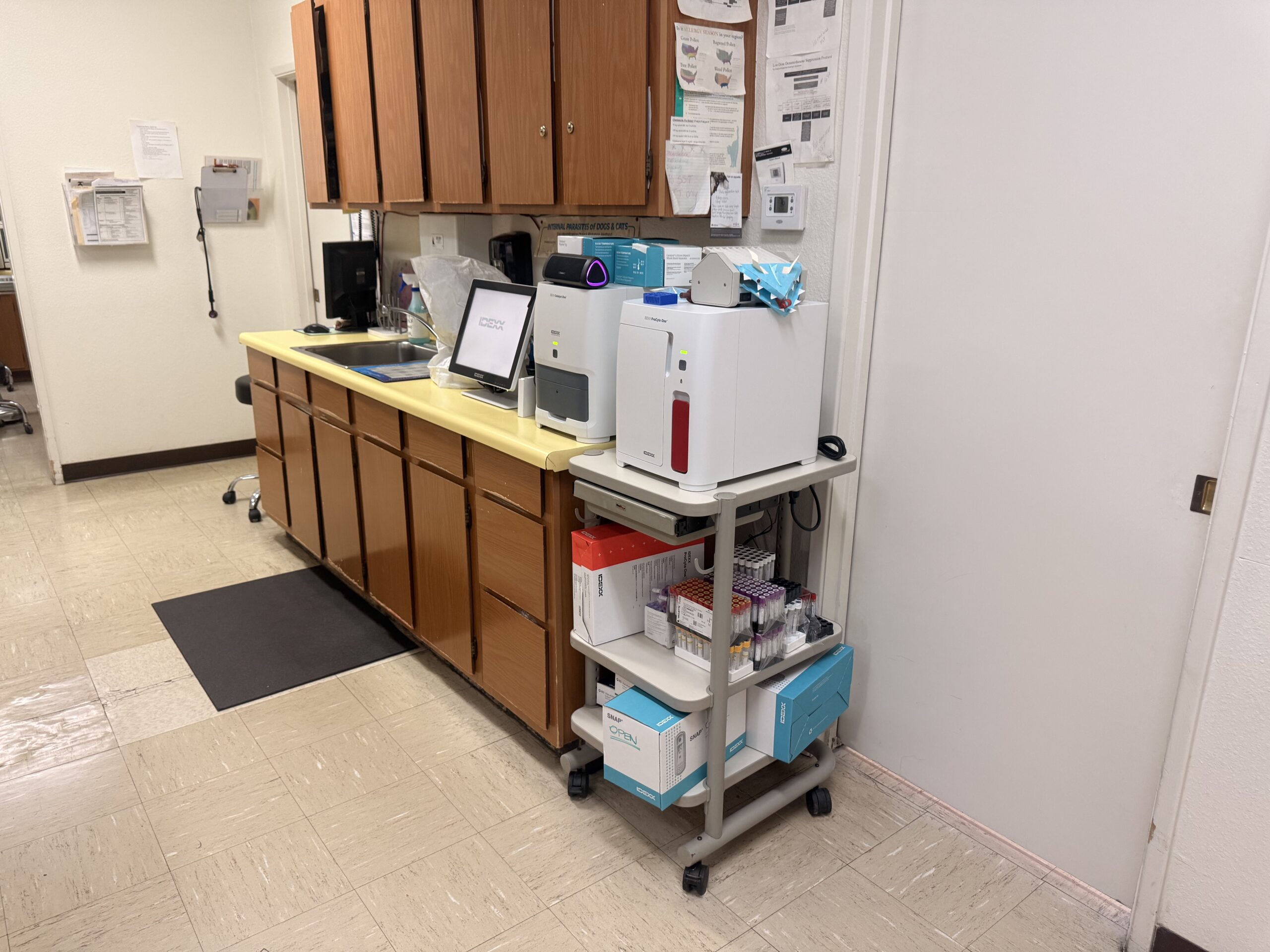
Pets cannot describe where they hurt or what happened. Diagnostic testing may help our veterinarian determine whether a patient can be treated safely at our hospital or requires transfer for more advanced care. Depending on your pet’s symptoms, an urgent evaluation may include:- A physical examination and medical triage
- In-house bloodwork
- Urinalysis
- Blood-pressure measurement
- Ear or skin cytology
- Digital X-rays
- Abdominal ultrasound when medically appropriate and available
- Wound evaluation and treatment
- Fluid therapy
- Pain management
- Antivenom when indicated
- Referral or transfer for intensive or overnight care
What to Bring to an Urgent Veterinary Appointment
When time permits, bring:- Your pet’s current medications and supplements
- A list of known medical conditions and allergies
- The packaging from any suspected toxin, medication or chemical
- A photo of the plant, snake, toad or substance involved when it can be obtained safely
- Relevant medical records if your pet is normally seen elsewhere
- A secure carrier or leash
What Should You Do After a Possible Poisoning?
Do not induce vomiting or give milk, oil, charcoal, food, medication or another home remedy unless a veterinarian or veterinary toxicology professional specifically instructs you to do so. Call Desert Forest Animal Hospital or the ASPCA Animal Poison Control Center at (888) 426-4435. A consultation fee may apply. Be prepared to provide:- Your pet’s species, age, breed and weight
- The product or substance involved
- The approximate amount
- The time of exposure
- Current symptoms
- Existing medical conditions and medications
How to Reduce the Risk of Desert Pet Injuries
Not every accident can be prevented, but several precautions may reduce your pet’s risk:- Walk dogs during cooler early-morning hours.
- Check pavement temperature before every walk.
- Carry water on walks and hikes.
- Keep dogs leashed on desert trails.
- Use a flashlight before allowing pets into the yard at night.
- Inspect yards for snakes, toads, scorpions and cactus debris.
- Do not leave pet food or water outside overnight when wildlife is active.
- Keep cats indoors or in a secure enclosure.
- Check your dog’s paws, ears, eyes and coat after hiking.
- Keep pets current on veterinarian-recommended vaccinations and parasite prevention.
- Know the location and telephone number of the nearest 24-hour emergency hospital.
Frequently Asked Questions About Urgent Veterinary Care in Cave Creek
Does Desert Forest Animal Hospital accept urgent-care patients?
Yes. We provide same-day urgent veterinary care and emergency triage for dogs and cats during regular business hours when staffing, current case volume and the patient’s needs allow. Call before arriving.Is Desert Forest Animal Hospital open 24 hours?
No. Desert Forest Animal Hospital is open Monday through Friday from 9:00 a.m. to 6:00 p.m. and is closed Saturday and Sunday. Pets needing overnight monitoring or intensive care should be taken to a 24-hour emergency hospital.Does Desert Forest Animal Hospital have rattlesnake antivenom?
Yes. Desert Forest Animal Hospital stocks crotalid antivenom for dogs and cats. Availability and the amount required for an individual patient may vary. Call immediately after a suspected rattlesnake bite.Do you treat exotic pets?
No. Desert Forest Animal Hospital provides veterinary care for dogs and cats only.Can Fear Free techniques be used in an emergency?
Gentle, low-stress handling is used whenever the patient’s condition permits. Life-threatening problems may require rapid examination and stabilization, so medical urgency must come first.Can I schedule an urgent visit online?
Do not wait for an online response when your pet is suddenly ill or injured. Call (480) 488-2010 directly.What if I am worried about the cost of urgent veterinary care?
Our team can discuss recommended diagnostics and treatments and provide available estimates when the situation permits. You may also review our veterinary payment and pet-insurance information. For sudden illness or injury during regular business hours, visit our Cave Creek urgent veterinary care page or call (480) 488-2010 before arriving.Call Desert Forest Animal Hospital for Same-Day Urgent Care
When your dog or cat is suddenly injured, ill or behaving unusually, prompt veterinary guidance can make an important difference. Desert Forest Animal Hospital provides same-day urgent veterinary care in Cave Creek for pets from Cave Creek, Carefree, Tatum Ranch, Desert Hills, North Scottsdale and nearby North Valley communities. Call before arriving: (480) 488-2010 Desert Forest Animal Hospital 6554 E. Cave Creek Road Cave Creek, AZ 85331 Hours: Monday–Friday: 9:00 a.m.–6:00 p.m. Saturday: Closed Sunday: Closed For routine, non-urgent needs, visit our contact and appointment page.Medical review: Bryan Hayter, DVM Last updated: August 2026 This article provides general educational information and does not replace an examination, diagnosis or individualized veterinary advice. Desert Forest Animal Hospital is not a 24-hour emergency hospital. Do not delay emergency care while waiting for an online response.