
Veterinary Skin, Ear & Coat Care
Veterinary Dermatology in Cave Creek, AZ
Itchy paws, nonstop scratching, red skin, recurring ear infections or hair loss? These symptoms can reflect allergies, infection, parasites, pain or other medical conditions—not just dry skin.
Our Cave Creek veterinarians evaluate common skin, ear, paw, nail and coat disorders in dogs and cats. We look for causes of inflammation and infection, then build a practical treatment and follow-up plan.
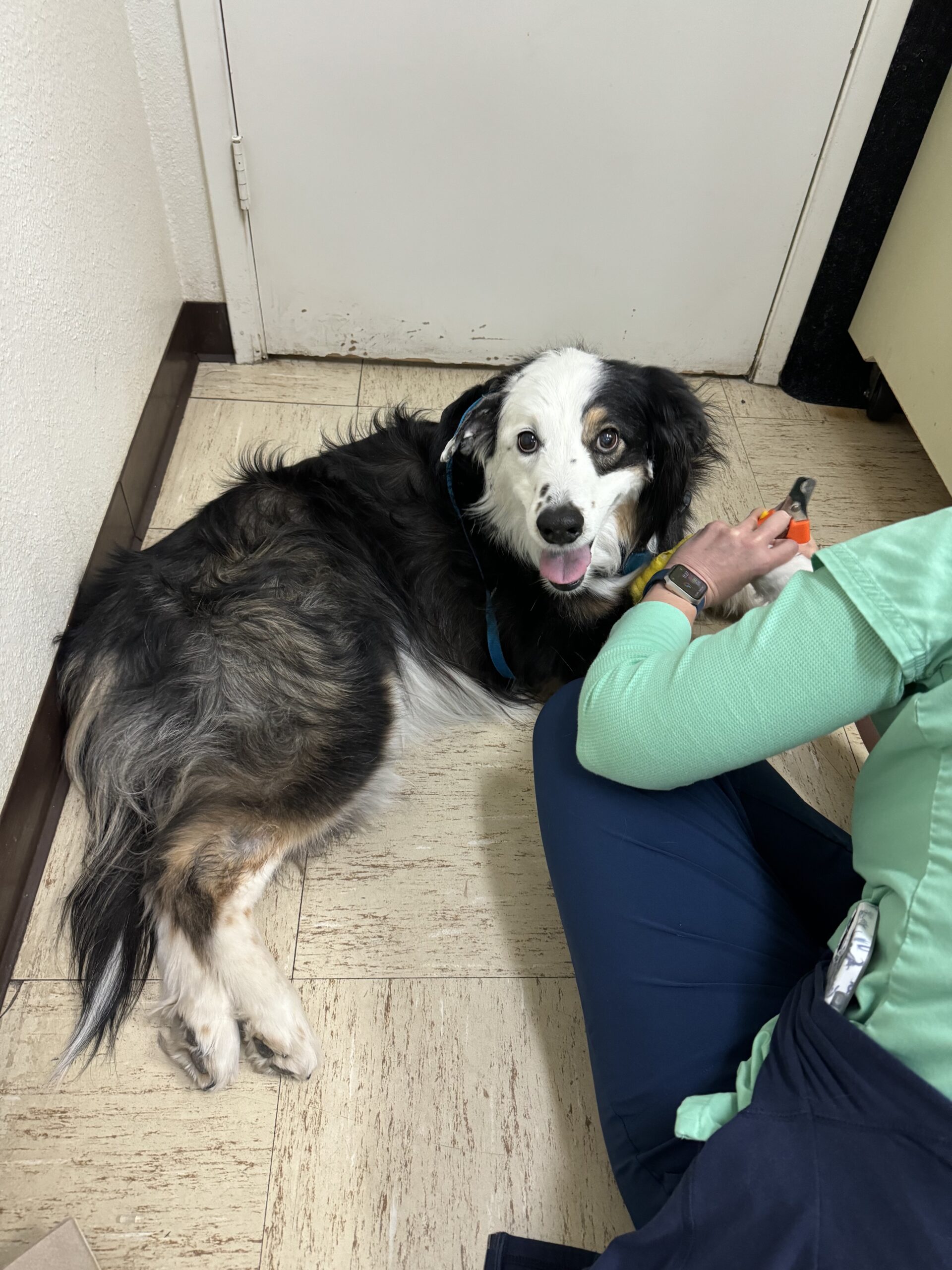
Persistent itch, paw licking or recurrent ear problems?
Arrange a veterinary examination. The cause cannot be confirmed from symptoms or photos alone.
Sudden severe pain, a swollen paw or rapidly worsening lesions?
Call (480) 488-2010 promptly to ask whether same-day evaluation is appropriate and available.
Breathing trouble, collapse or swelling affecting breathing?
Seek a 24-hour emergency veterinary hospital immediately. DFAH is not an overnight emergency facility.
Individualized Veterinary Care
Helping Dogs and Cats With Persistent Skin Problems
Skin disease can affect sleep, mobility, comfort, behavior and quality of life. Persistent itching can also damage the skin, allowing secondary infections to develop.
Different diseases can produce nearly identical symptoms. A dog with red paws might have allergic inflammation, yeast overgrowth, a bacterial infection, a foreign body or pain. A cat with thinning hair might have flea allergy, a fungal infection, another medical problem or excessive grooming.
Our approach is to identify the most likely causes through the medical history, physical examination and appropriate testing. Not every pet needs the same diagnostic or treatment plan.
Veterinary Experience Behind Our Recommendations
Desert Forest Animal Hospital is locally owned and medically directed by Bryan Hayter, DVM , a graduate of Auburn University College of Veterinary Medicine.
Our veterinary team includes Dr. Quinn Bauer, DVM , a Fear Free Certified veterinarian. Dermatology visits may involve painful ears, sensitive paws and uncomfortable skin, so gentle handling is an important consideration.
We provide general-practice dermatologic care and recommend specialty referral when a case requires board-certified veterinary dermatology expertise.
Recognizing Dermatologic Symptoms
Signs Your Dog or Cat May Need a Skin Examination
Skin problems do not always begin with a visible rash. Sometimes changes in behavior provide the earliest clues.
- Frequent scratching or rubbing
- Persistent paw licking or chewing
- Red or inflamed skin
- Hair thinning or bald patches
- Recurring ear infections
- Head shaking or ear scratching
- Musty skin or ear odor
- Greasy or flaky skin
- Crusting or scabs
- Hot spots or moist skin lesions
- Unusual bumps or nonhealing sores
- Swollen paws or nail abnormalities
- Excessive grooming in cats
- Darkened or thickened skin
- Discomfort when touched
- Symptoms that repeatedly return
If the symptoms persist or recur, a veterinary examination can help distinguish allergies from infections, parasites, irritants and other disorders.
A Commonly Overlooked Sign
Why Does My Dog Keep Licking Its Paws?
One of the most common findings in our dogs with atopic dermatitis is persistent paw licking.
Owners sometimes initially suspect anxiety, boredom or habit because the skin between the toes does not yet look obviously irritated.
Repetitive paw licking should not automatically be assumed to be behavioral. It can reflect itching, infection, irritation or pain.
Medical Causes of Paw Licking
Environmental Allergies
Pollen, grasses, weeds, dust mites and other allergens may contribute to inflammation affecting the paws.
Bacterial or Yeast Infection
Secondary bacterial infection or Malassezia yeast overgrowth can make already irritated paws itchier.
Foreign Bodies or Pain
Splinters, plant material, cactus spines, nail injuries and orthopedic discomfort can cause focused licking.
One Paw vs. Multiple Paws
A dog licking several paws may have generalized allergic or inflammatory skin disease. Sudden, intense licking of one paw may raise more concern for a foreign body, injury, localized infection or pain.
This pattern can help guide the examination, but it cannot establish a diagnosis by itself.
Read our dog and cat allergy evaluation guide for more information about environmental and food allergies.
Practical distinction: Repeated licking of multiple feet may accompany generalized allergic or inflammatory disease; sudden attention to a single foot can also indicate a cactus spine, thorn, torn nail, burn or another localized injury. Either pattern merits examination if persistent, painful, bleeding or associated with swelling.
Common Dermatology Conditions
Skin, Ear and Coat Problems We Evaluate
Itching, redness, hair loss and recurrent infections are symptoms, not complete diagnoses.
Environmental Allergies & Atopic Dermatitis
Canine atopic dermatitis is a chronic inflammatory skin condition associated with abnormalities of the skin barrier and immune response.
Common signs include paw licking, face rubbing, scratching and recurrent skin or ear problems.
Allergies may be seasonal, year-round or fluctuate with environmental exposure.
Food Allergies & Adverse Food Reactions
Food-related skin disease can cause persistent itching, recurrent ear inflammation, skin infections and sometimes digestive symptoms.
Diagnosis may require a carefully controlled elimination diet followed by an appropriate dietary challenge.
Flea Allergy Dermatitis & Parasites
A pet sensitive to flea saliva may develop intense itching even when owners rarely see a flea.
Mites and other external parasites may cause inflammation, hair loss, crusting and itching.
Bacterial & Yeast Skin Infections
Bacteria and Malassezia yeast can overgrow when skin inflammation disrupts normal protective barriers.
Signs may include odor, greasy skin, pustules, redness, crusting, hair loss and worsening itch.
Hair Loss & Coat Changes
Hair loss may result from self-trauma, infection, parasites, endocrine disease, inflammatory disorders or other medical causes.
The distribution and appearance of hair loss can provide important diagnostic clues.
Hot Spots & Painful Lesions
Acute moist dermatitis, often called a hot spot, can worsen rapidly as an animal repeatedly scratches or chews the affected area.
Evaluation may address pain, infection, self-trauma and the original trigger.
Less Common and Complicated Skin Disorders
Some pets develop unusual or treatment-resistant disease that requires a more extensive investigation.
Depending on the signs, we may evaluate or recommend additional testing for:
- Immune-mediated or autoimmune skin disease
- Nonhealing ulcers or persistent crusting
- Unusual lesions involving the nose or paw pads
- Recurrent deep bacterial infections
- Suspected antimicrobial-resistant organisms
- Dermatophyte infection, including ringworm
- Skin masses or abnormal growths
- Hormonal or systemic disease affecting the coat
Depending on the patient, cytology, blood tests, cultures, biopsy or specialist referral may be appropriate.
An Important Part of Allergy Management
Why Skin Infections Make Allergic Dogs Itch More
Allergic inflammation can weaken the skin’s normal protective barrier. Scratching, licking and chewing create additional damage.
This may allow bacteria or yeast normally present on the skin to multiply excessively and cause a secondary infection.
A secondary infection may cause a sudden increase in itching even when the pet’s original allergy-management plan had previously been effective.
Why Cytopoint or Apoquel May Seem to Stop Working
This is a situation we encounter in clinical practice. An owner may notice that an anti-itch medication no longer seems to provide the same relief.
One possible explanation is that the dog developed a secondary bacterial or yeast infection. Anti-itch treatment does not directly eliminate those infections.
Other explanations include changing allergen exposure, uncontrolled parasites, an inadequate treatment response or another skin disorder.
Rather than automatically increasing or replacing medication, we may recommend an examination and skin cytology to identify what has changed.
Treating Secondary Infection Responsibly
Depending on the location, severity and type of infection, treatment may include:
- Medicated shampoos
- Antiseptic wipes or mousses
- Topical antimicrobial treatment
- Appropriate ear medication
- Therapy directed against yeast
- Systemic medication when indicated
- Culture for selected complicated infections
- Follow-up testing to assess resolution
Not every superficial bacterial infection requires an oral antibiotic. In selected cases, topical treatment may be appropriate. Deep, extensive, complicated or recurrent infections may require different care.
We aim to use antibiotics when medically justified, following principles of responsible antimicrobial use.
A Frequent Reason for Dermatology Visits
Recurring Dog Ear Infections: Why They Keep Coming Back
In our day-to-day dermatology caseload, ear infections are among the problems we encounter most frequently.
Treating an ear infection involves more than removing discharge or selecting a medication.
The medical term otitis externa describes inflammation of the outer ear canal. Inflammation can exist without infection, although bacteria and yeast commonly become secondary problems.
What Causes Recurrent Ear Disease?
- Environmental allergies
- Food-related allergic disease
- Malassezia yeast overgrowth
- Bacterial infection
- Moisture and chronic inflammation
- Foreign material
- Parasites
- Anatomic or structural changes
Some dogs with allergies develop repeated ear inflammation even when obvious skin itching is minimal.
Why Ear Cytology Matters
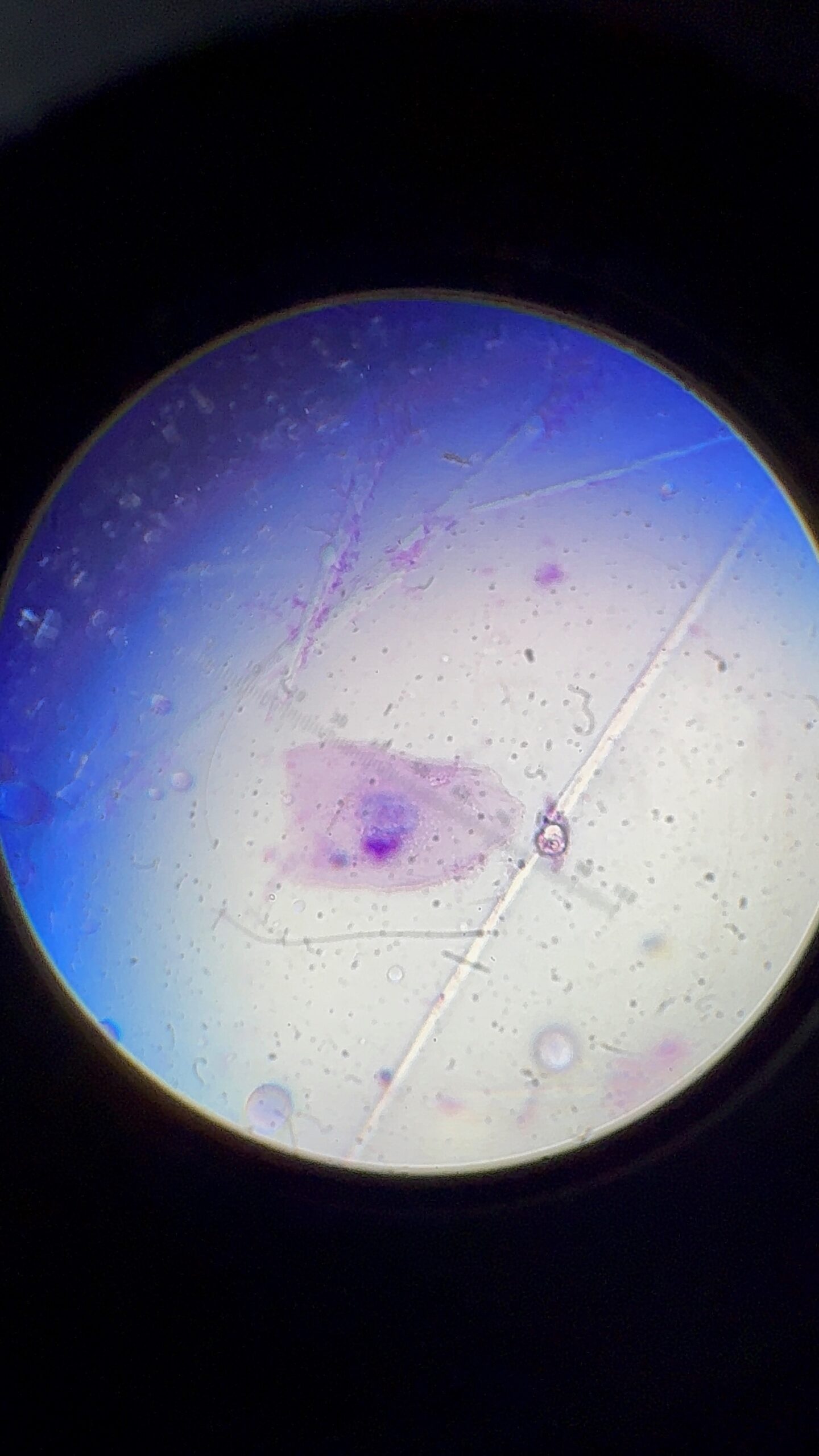
Examining ear material under the microscope helps identify whether bacteria, yeast and inflammatory cells are present.
This can guide treatment more effectively than assuming every painful, red or smelly ear needs the same product.
Recurrent or complicated infections sometimes require additional tests, including bacterial culture. We also consider the condition of the eardrum when choosing cleaners and medications.
Do Not Use Home Ear-Cleaning Mixtures
Avoid pouring hydrogen peroxide, rubbing alcohol, essential oils, vinegar mixtures or other unapproved solutions into painful or infected ears.
Some substances can irritate inflamed tissue, and certain ear products may be unsafe if the eardrum is damaged.
Ask your veterinarian which cleaner or medication is appropriate for the individual ear.
For a more detailed explanation, visit our complete guide to dog and cat ear infections, cleaning, medication and follow-up care .
When ear symptoms are particularly urgent: severe pain, marked swelling, head tilt, loss of balance, neurologic signs or a suddenly abnormal ear position require prompt veterinary triage. Do not place peroxide, alcohol, leftover prescriptions or unapproved drops in an affected ear, particularly when the eardrum has not been assessed.
Diagnosing Before Treating
How We Diagnose Dermatology Problems in Dogs and Cats
There is no single test that can diagnose every itchy or inflamed pet.
We start by reviewing symptoms, prior treatments, the timing of flare-ups, diet, parasite prevention, outdoor exposure and existing medical conditions.
Medical History & Skin Examination
We evaluate the skin, paws, nails, ears, coat and affected areas. Previous treatment response and seasonal patterns provide valuable clues.
Skin & Ear Cytology
Microscopic examination of collected material may identify bacteria, Malassezia yeast and inflammatory cells, helping guide treatment.
Targeted Additional Testing
Depending on the findings, we may recommend skin scrapings, fungal testing, culture, needle sampling, biopsy, a controlled diet trial or other diagnostics.
Individualized Follow-Up
Rechecks allow us to assess improvement, repeat cytology when needed and adjust the treatment plan if a condition persists or returns.
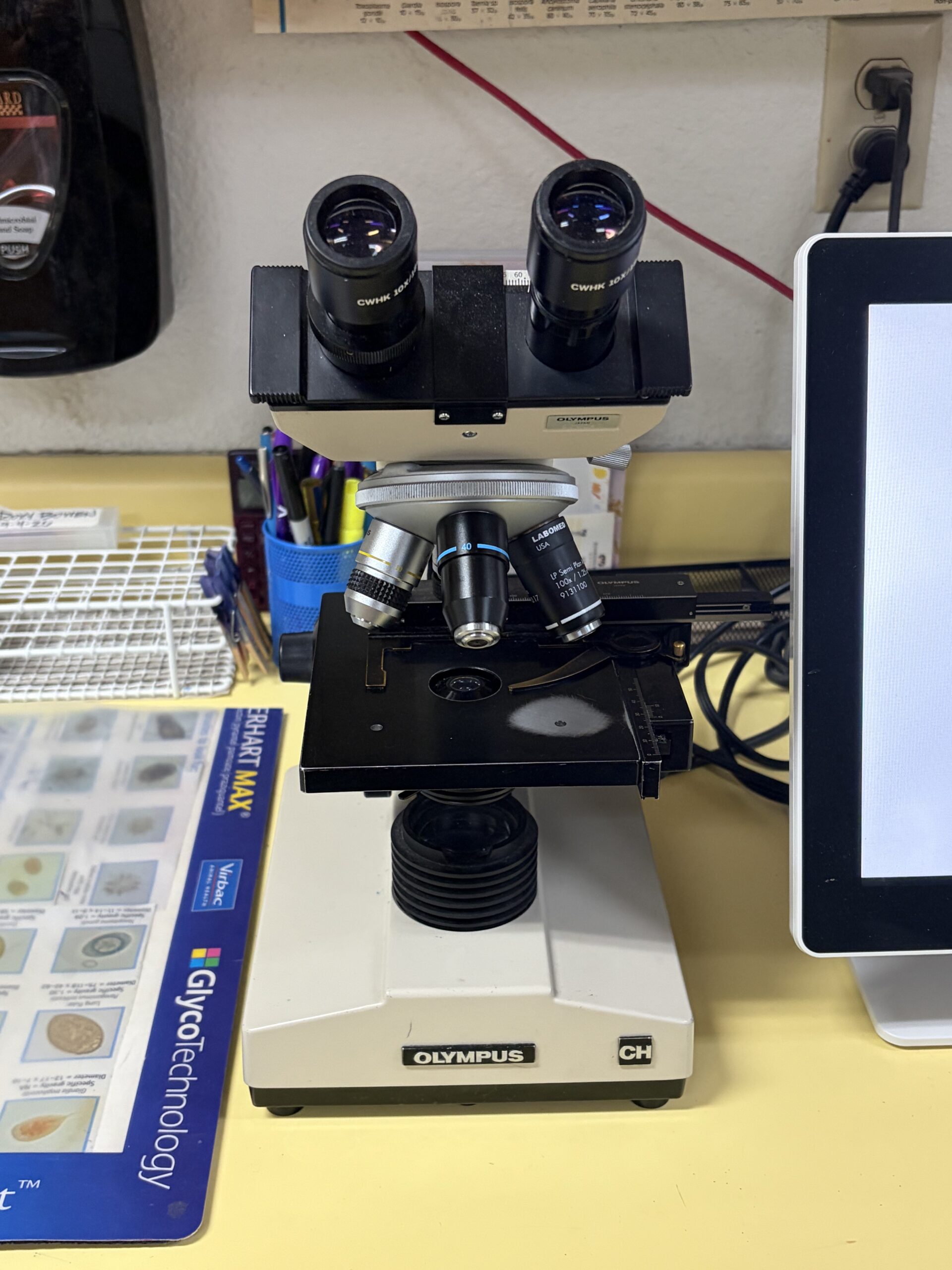
Why Skin Cytology Can Be So Useful
A pet’s skin may look red and inflamed because of allergies, infection, or a combination of both.
Skin cytology can help determine whether bacteria or yeast are contributing to the clinical signs.
Identifying these findings can change the recommended treatment and help avoid unnecessary or poorly targeted medication.
Selected cases may also benefit from blood testing or other diagnostics to investigate underlying medical disease.
Learn about our in-house veterinary diagnostics and blood work .
Does Allergy Testing Diagnose Atopic Dermatitis?
Not by itself. Environmental allergy testing is generally used in selected patients to identify allergens for allergen-specific immunotherapy.
The diagnosis of canine atopic dermatitis primarily relies on the history, clinical findings and exclusion of other causes of itching.
Likewise, commercial blood, saliva and hair tests are not reliable methods for establishing a food allergy diagnosis.
A veterinarian-directed elimination diet followed by a dietary challenge is generally the recommended approach when food allergy is suspected.
What a Skin or Ear Cytology Result Can—and Cannot—Tell Us
Microscopic examination of a properly collected sample may reveal bacteria, yeast and inflammatory cells. It helps guide treatment and establish a baseline for rechecks, but it does not independently diagnose environmental allergy or food allergy. Some patients need skin scrapings, fungal testing, culture, bloodwork or biopsy based on the examination.
When a bacterial infection is unusually deep, recurrent, or has not responded as expected, culture and susceptibility testing may be important before selecting systemic antimicrobial treatment.
Personalized Treatment Plans
Treatment for Itchy Skin, Allergies and Recurrent Infections
Treatment depends on the underlying diagnosis, the severity of discomfort, secondary infection, medical history and previous response to therapy.
Dermatology care may involve several complementary strategies instead of a single medication.
Relieving Itching
Medications may be used to reduce itching and inflammation, depending on the patient’s diagnosis and medical needs.
Treating Infection
Targeted topical or systemic treatment may address bacteria, yeast or other identified infections.
Controlling Parasites
Flea, tick and mite prevention may be an important part of reducing recurring irritation.
Supporting the Skin Barrier
Medically appropriate bathing, topical skin care and other support may improve comfort.
Evaluating Diet
A controlled diet trial may help identify food-related skin disease in selected patients.
Long-Term Monitoring
Rechecks help us adjust chronic allergy treatment, assess recurrence and evaluate ongoing symptoms.
Managing Chronic Canine Atopic Dermatitis
Atopic dermatitis often requires long-term management. Flare-ups can occur even when a dog has previously responded well to treatment.
The goal is to reduce discomfort, minimize secondary infections, maintain a healthier skin barrier and support quality of life.
In selected cases, allergen-specific immunotherapy may be considered after appropriate diagnosis and testing.
No single treatment works equally well for every patient. Our recommendations reflect the individual animal and available evidence.
Food Allergy: Why an Elimination Trial Requires Planning
When food allergy remains a possibility, the veterinarian may recommend a strictly controlled prescription hydrolyzed or appropriate novel-protein diet trial, commonly for about 8–12 weeks depending on the patient. Treats, flavored medications, chews and access to other pets’ food may undermine the trial. Improvement alone does not conclusively establish food allergy: a planned dietary challenge helps confirm whether symptoms recur after the original food is reintroduced.
Unvalidated commercial blood, saliva and hair-based food-sensitivity tests should not replace a properly conducted elimination diet.
Feline Skin & Allergy Care
Veterinary Dermatology for Cats
Cats may show skin discomfort differently from dogs. Excessive grooming, hair pulling and small crusted lesions may be more noticeable than obvious scratching.
Some common feline dermatologic patterns include:
- Excessive grooming
- Hair loss on the abdomen or legs
- Small crusts or bumps
- Head and neck itching
- Inflamed skin or sores
- Ear irritation
- Lesions involving the lips
- Recurrent skin inflammation
Possible causes include fleas, mites, environmental allergy, food reactions, fungal disease, infection, pain and other medical conditions.
Behavioral overgrooming may occur, but medical causes should be investigated before assuming the behavior is stress-related.
Because cats can react differently to medications and topical products, never use a dog flea treatment or another unapproved skin medication on a cat.
Feline-specific consideration: flea allergy, mites, dermatophytes (ringworm), adverse food reactions and feline atopic skin syndrome may overlap in appearance. Hair loss from overgrooming does not automatically mean a behavioral condition. Some infections and parasites are contagious, so ask about household precautions when those causes are suspected.
Local Dermatology Considerations
Skin and Allergy Concerns in Cave Creek and the Sonoran Desert
Living in the North Valley means pets may encounter seasonal pollen, outdoor grasses, dust, brush, plant material and other environmental exposures.
These exposures do not mean every itchy dog has an environmental allergy. Parasites, infection, paw injuries and other medical causes still need consideration.
After desert hikes or outdoor activity, check your pet’s paws for visible plant debris, cactus material, irritation and injuries. Seek evaluation for persistent limping, swelling, focal licking or suspected embedded plant material.
Avoid digging into a painful paw or using irritating home remedies.
Our parasite prevention program can help address individual flea, tick and other parasite risks throughout the year.
For dogs visiting desert trails near Cave Creek, Carefree or North Scottsdale, consider appropriate parasite prevention as well as a paw check after walks. Irrigated lawns and shaded yards can support fleas even in an arid climate; cactus material, thorn injuries and hot surfaces can mimic or aggravate allergic foot irritation.
Comfort Matters During Examination
Fear Free-Informed Skin and Ear Examinations
Pets with painful ears, sore paws or inflamed skin may be especially reluctant to tolerate handling.
Dr. Quinn Bauer is Fear Free Certified, and our team considers each patient’s physical discomfort and emotional needs when planning care.
When medically appropriate, an examination may involve:
- Time to acclimate
- Patient, purposeful handling
- Treats when appropriate
- Comfortable body positioning
- Breaks when feasible
- Planning procedures in stages
- Pre-visit medication for selected patients
- Reassessment of painful areas as needed
Not every pet can remain relaxed during an examination, especially when an ear or skin lesion is painful. Safety and necessary medical care remain essential considerations.
Learn more about Fear Free veterinary care in Cave Creek .
Coordinated Veterinary Care
When We Recommend a Veterinary Dermatology Specialist
Our general-practice team manages many common skin and ear conditions. Some patients benefit from additional expertise.
A referral to a board-certified veterinary dermatologist may be appropriate when a problem is:
- Severe or unusually complicated
- Resistant to appropriate previous treatment
- Associated with repeated deep infections
- Suspected to be immune-mediated
- Requiring specialized testing or procedures
- Persistent despite a reasonable diagnostic plan
We explain the reasons for referral and can coordinate ongoing care when specialist involvement is appropriate.
The American College of Veterinary Dermatology provides information about board-certified veterinary dermatology specialists.
Recognizing Urgent Symptoms
When Is an Allergic Reaction or Skin Problem an Emergency?
Many chronic dermatology problems can be evaluated during a scheduled visit. Some new or rapidly worsening symptoms require more immediate attention.
Seek Immediate Emergency Veterinary Care For:
- Difficulty breathing or respiratory distress
- Collapse or profound weakness
- Blue, gray or very pale gums
- Rapidly progressing swelling with breathing concerns
- Another suspected life-threatening allergic reaction
Do not delay emergency evaluation to submit an online appointment request.
Skin and Ear Problems That May Need Prompt Assessment
Call for advice about rapidly spreading hives, sudden facial swelling, severe ear pain, extensive painful skin lesions, rapidly worsening infection, or a severely swollen paw.
During regular business hours, Desert Forest Animal Hospital can evaluate many stable urgent medical concerns when availability and medical needs allow.
Call (480) 488-2010 before arriving. We are not a 24-hour emergency hospital.
Learn more about same-day urgent veterinary care in Cave Creek .
Established Local Veterinary Care
Why Choose Desert Forest Animal Hospital?
Desert Forest Animal Hospital has served Cave Creek since 1984 and remains locally and independently owned.
Individualized Evaluation
We investigate possible underlying causes instead of assuming every itchy pet has the same allergy.
In-House Diagnostic Resources
Laboratory microscopy and other diagnostics can help guide appropriate evaluation and treatment.
Chronic Disease Management
We support ongoing management of allergies, recurrent ear problems and repeated infections.
Attention to Comfort
Our team considers pain, handling tolerance and the emotional experience of the pet.
Convenient North Valley Location
Pet Dermatology Near Carefree, Desert Mountain and North Scottsdale
Desert Forest Animal Hospital provides skin and ear evaluations at 6554 E Cave Creek Road, Cave Creek, AZ 85331 .
We welcome dogs and cats from Cave Creek, Carefree, Desert Mountain, Terravita, Tatum Ranch, Dove Valley Ranch, Desert Hills, Anthem and nearby North Scottsdale communities.
Whether your dog repeatedly licks its paws after walks or your cat has unexplained hair loss, our veterinarians can help develop an appropriate diagnostic and treatment plan.
Our Carefree veterinary information and Desert Mountain area guide explain how to visit our single Cave Creek hospital. We do not operate separate facilities in those communities.
Common Questions
Frequently Asked Questions About Veterinary Dermatology
Why does my dog keep licking its paws?
Environmental allergies are a common cause, but yeast, bacteria, parasites, foreign material, nail disease and pain can also cause paw licking. Persistent or recurrent licking warrants evaluation before it is attributed solely to anxiety.
Why did Cytopoint seem to stop working?
A secondary bacterial or yeast infection can cause significant itching even while an anti-allergy medication continues to provide benefit. Changes in allergen exposure, parasites or other medical problems are additional possibilities. An examination and skin cytology may help.
Why does my dog’s ear infection keep returning?
Recurrent otitis often reflects an unresolved underlying problem, especially allergic inflammation. Other factors include moisture, foreign bodies, parasites, anatomic changes and bacterial or yeast overgrowth. Ear cytology and examination guide appropriate treatment.
Can a blood test diagnose a food allergy?
Commercial blood, saliva and hair tests are not reliable for diagnosing food allergy in dogs and cats. A veterinarian-supervised elimination diet with an appropriate dietary challenge is generally recommended when food allergy is suspected.
Does allergy testing diagnose atopic dermatitis?
No single environmental allergy test establishes atopic dermatitis. Diagnosis relies on history, clinical signs and exclusion of other causes. Allergy testing may help identify allergens for immunotherapy in selected patients.
What causes recurring skin infections?
Allergies, parasites, skin folds, moisture, endocrine disease and other conditions may disrupt normal skin defenses. Identifying and managing the underlying cause is important for long-term improvement.
Can an itchy dog have a yeast infection?
Yes. Malassezia yeast overgrowth is a common complication of inflammatory skin and ear disease. Signs may include redness, greasy skin, odor, itching and recurring ear irritation. Cytology can help identify yeast overgrowth.
Is pet dermatitis contagious?
The answer depends on the cause. Environmental allergies are not contagious, but ringworm and certain parasites can spread between animals and sometimes to people. Ask your veterinarian about precautions when an infectious cause is suspected.
Should I bathe my itchy dog?
Bathing can be helpful for selected skin disorders, but the appropriate shampoo, ingredients and frequency depend on the diagnosis. Human shampoos and unapproved home remedies may irritate the skin. Follow your veterinarian’s instructions.
Why is my cat losing hair on its stomach?
Excessive grooming, fleas, allergies, infection, pain and other medical problems may cause abdominal hair loss. A veterinary examination can help determine whether the cat is removing hair through grooming or losing it for another reason.
How long does dermatology treatment take?
Some pets improve within days after appropriate treatment. Chronic allergies, hair regrowth, complicated infections and diagnostic diet trials may require weeks or months. Rechecks help determine when treatment needs adjustment.
When should I see a veterinary dermatologist?
A board-certified specialist may be recommended for severe, complex, unusual, persistent or treatment-resistant skin disease. Our general-practice veterinarians can discuss referral when appropriate.
Do you provide dermatology care near Carefree?
Yes. Desert Forest Animal Hospital provides veterinary skin and ear evaluations at our Cave Creek location, serving families from Carefree, Desert Mountain, Tatum Ranch, Terravita and surrounding North Valley communities.
Independent Medical References
Trusted Veterinary Dermatology Resources
The following professional resources provide additional information about veterinary allergic and inflammatory skin disorders.
Help Your Pet Feel More Comfortable
Schedule a Veterinary Dermatology Appointment in Cave Creek
If your dog or cat struggles with constant itching, paw licking, recurring ear infections, hair loss or inflamed skin, our veterinary team can help investigate the cause.
We provide individualized diagnostic recommendations and practical treatment plans for pets and families throughout the North Valley.
Desert Forest Animal Hospital
6554 E Cave Creek Road
Cave Creek, AZ 85331
Monday–Friday: 9 AM–6 PM
Saturday–Sunday: Closed
Same-day appointments depend on staffing, capacity and medical needs. This location is not a 24-hour emergency hospital.
Medical Review
Medical review: Bryan Hayter, DVM | Owner & Medical Director
Last medically reviewed: November 15, 2026
Dr. Hayter earned his veterinary degree from Auburn University College of Veterinary Medicine and provides medical leadership for our independently owned hospital. Our veterinarians provide general-practice skin and ear care and recommend specialty referral when indicated.
This educational material does not replace an individualized veterinary examination, diagnosis or treatment plan. For medical questions or urgent symptoms, call the clinic.