
Orthopedic FAQs for Dogs & Cats: Injuries, Arthritis, Joint Problems & Treatment
Why is your dog limping? How do you know whether a cat has arthritis? Does a torn ligament require surgery? Can a broken bone heal in a cast?
Orthopedic problems affect bones, joints, ligaments, muscles, and tendons. Some develop gradually; others follow an injury and require immediate veterinary attention.
This guide from Desert Forest Animal Hospital answers common questions about orthopedic conditions in dogs and cats, explains how veterinarians investigate pain and lameness, and helps pet owners understand when surgery, medical management, or referral may be needed.
Medical review: Bryan Hayter, DVM | Owner & Medical Director
Last medically reviewed: November 16, 2026
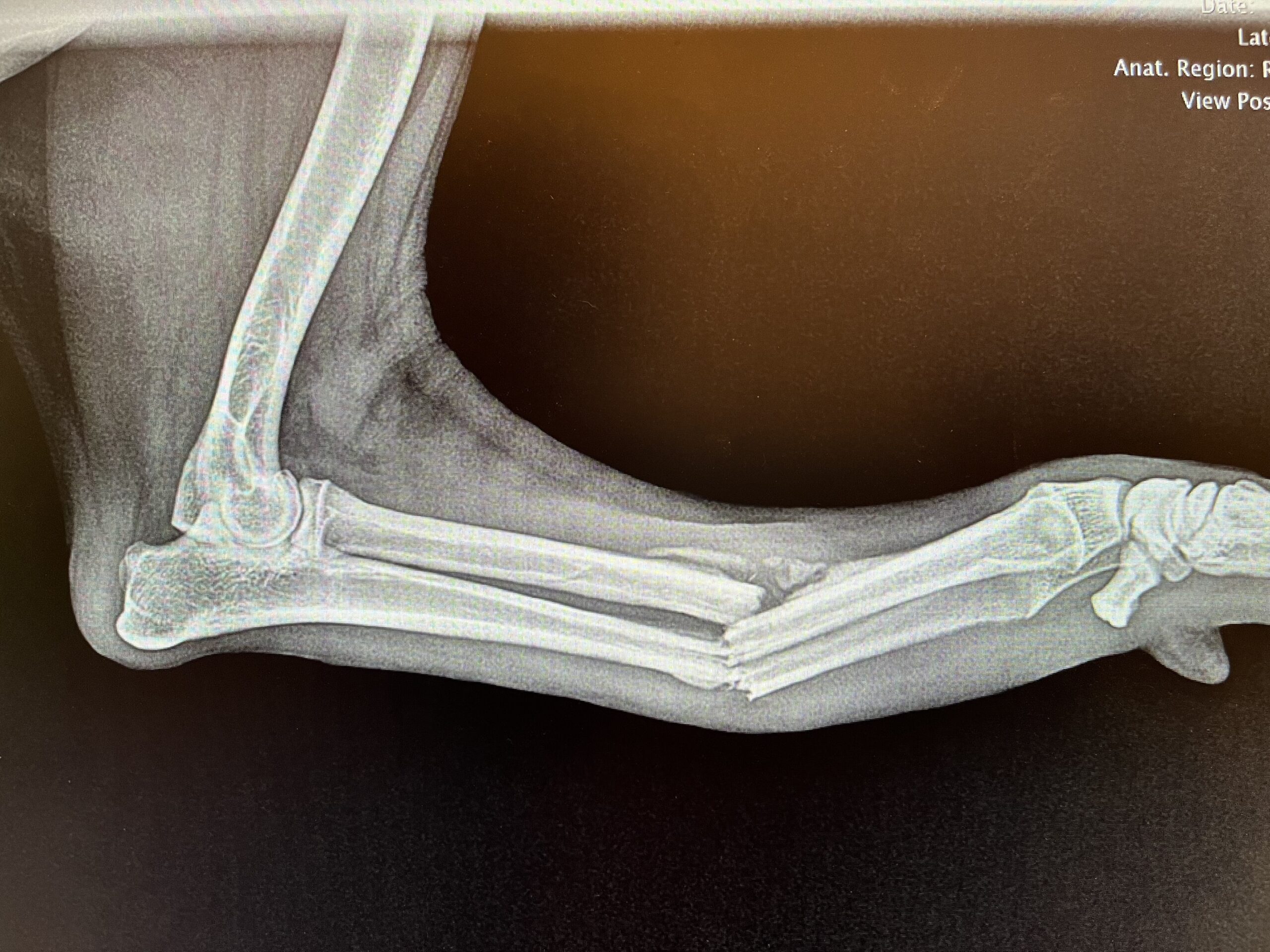
What Is an Orthopedic Problem in a Dog or Cat?
Quick answer: An orthopedic problem involves the body’s supporting and movement-related structures, including bones, joints, cartilage, ligaments, tendons, and muscles. Common examples include fractures, osteoarthritis, hip or elbow dysplasia, kneecap instability, and cranial cruciate ligament injuries.
Not every pet that walks abnormally has an orthopedic condition. Disorders involving the spinal cord, peripheral nerves, circulation, or systemic infection can produce signs that resemble musculoskeletal pain.
This distinction matters because a pet with a painful knee needs a different diagnostic approach from a pet with a spinal cord injury or a cat experiencing a sudden interruption of blood flow to its hind limbs.
A veterinarian begins by identifying where the problem originates, evaluating how urgently it needs treatment, and choosing tests that are relevant to the suspected condition.
For a more focused discussion of canine gait changes, read our guide to why dogs limp and when they need a veterinarian .
Is My Pet’s Limp or Joint Problem an Emergency?
The urgency depends on your pet’s ability to stand, bear weight, move normally, and remain comfortable, as well as any history of trauma or accompanying symptoms.
| Priority | Warning Signs | Recommended Action |
|---|---|---|
| Emergency | Hit by a vehicle; major fall; visibly deformed limb; exposed bone; uncontrolled bleeding; inability to stand; rapidly progressive paralysis; collapse. | Seek immediate veterinary emergency care. Do not wait for a routine appointment. |
| Emergency in Cats | Sudden inability to use one or both hind legs, especially with severe pain, cool paws, pale foot pads, or breathing difficulty. | Go to an emergency veterinary hospital immediately. A blood clot or other serious medical condition is possible. |
| Same-Day Evaluation | New refusal to bear weight; painful swelling; suspected ligament injury; worsening limp; penetrating paw injury; lameness with fever or lethargy. | Contact a veterinarian promptly. DFAH may be able to assess stable patients during regular hours, depending on availability. |
| Scheduled Examination | Recurring mild limp; stiffness after rest; reluctance to jump; difficulty using stairs; gradual mobility changes. | Arrange an orthopedic evaluation. Persistent or recurrent symptoms should not be dismissed as normal aging. |
Important: A pet does not have to cry to be in significant pain. Some dogs continue walking on injured ligaments; cats may hide discomfort by reducing their activity.
Desert Forest Animal Hospital provides same-day urgent veterinary evaluations when appropriate and available during regular hospital hours. We are not a 24-hour emergency hospital and do not provide overnight intensive care.
What Are the Most Common Orthopedic Problems in Dogs and Cats?
Several conditions can produce similar signs. For example, a pet that favors a hind leg may have a paw injury, ligament instability, arthritis, hip disease, a fracture, or another disorder. History and examination help distinguish them.
1. Bone Fractures and Joint Dislocations
Fractures may result from falls, vehicle accidents, collisions, animal encounters, or other trauma. Some fractures produce obvious deformity, while others cause pain and reduced weight bearing without a visible change in leg shape.
X-rays help identify the fracture’s location, configuration, and displacement. Treatment depends on the bone involved, joint participation, soft-tissue injury, and patient stability.
2. Cranial Cruciate Ligament Disease
A damaged cranial cruciate ligament (CCL) causes instability within the dog’s stifle, or knee joint. The ligament may deteriorate progressively or rupture during an activity.
Signs can include hind-leg limping, difficulty rising, joint swelling, or reluctance to jump. Orthopedic stability testing and, when indicated, radiographs help establish the diagnosis.
3. Osteoarthritis
Osteoarthritis is a chronic joint disease associated with cartilage deterioration, inflammation, pain, and progressive structural changes.
Dogs may become stiff after resting, walk more slowly, or hesitate on stairs. Cats may jump less, groom poorly, or have difficulty reaching their litter box.
4. Hip and Elbow Dysplasia
Hip dysplasia involves abnormal development and laxity of the hip joint. Elbow dysplasia describes several developmental abnormalities affecting the elbow.
These conditions may produce abnormal gait, pain after activity, restricted joint motion, and secondary arthritis. Both examination and appropriately positioned imaging can help characterize the problem.
5. Luxating Patella
A luxating patella is a kneecap that moves out of its normal position. It is often recognized in smaller dogs, although other breeds and cats can be affected.
A dog may briefly skip or carry a hind leg before returning to normal walking. More severe cases can produce persistent lameness, discomfort, or joint changes.
6. Muscle, Tendon, and Growth-Plate Injuries
Strains, tendon injuries, and sprains can occur during exercise, slipping, or jumping. Growing puppies and kittens are also vulnerable to injuries involving open growth plates.
A suspected sprain should not automatically be treated as minor. Some fractures and ligament injuries appear similar without veterinary examination.
What Happens During a Veterinary Orthopedic Examination?
An orthopedic evaluation is more than looking at a painful leg. The veterinarian considers the whole animal to distinguish orthopedic pain from neurologic, infectious, or other medical problems.
History and Gait Observation
We consider when symptoms started, recent activity or trauma, the affected limb, whether the limp is intermittent, and the pet’s general health. Observation of walking, posture, rising, and sitting helps localize the problem.
Palpation and Joint Testing
Examination may include palpating bones, muscles, and tendons; assessing joint range of motion; and identifying pain, swelling, crepitus, muscle loss, or instability. Selected tests help assess kneecap and cruciate ligament function.
Radiographs and Other Diagnostics
Digital X-rays may reveal fractures, dislocations, arthritic changes, or bone lesions. Blood testing, joint fluid analysis, ultrasound, or advanced imaging may be considered when the clinical findings warrant them.
Individualized Treatment Planning
The veterinarian explains likely diagnoses, diagnostic limitations, pain management, activity restrictions, and whether medical treatment, additional imaging, rehabilitation, surgery, or specialty referral is appropriate.
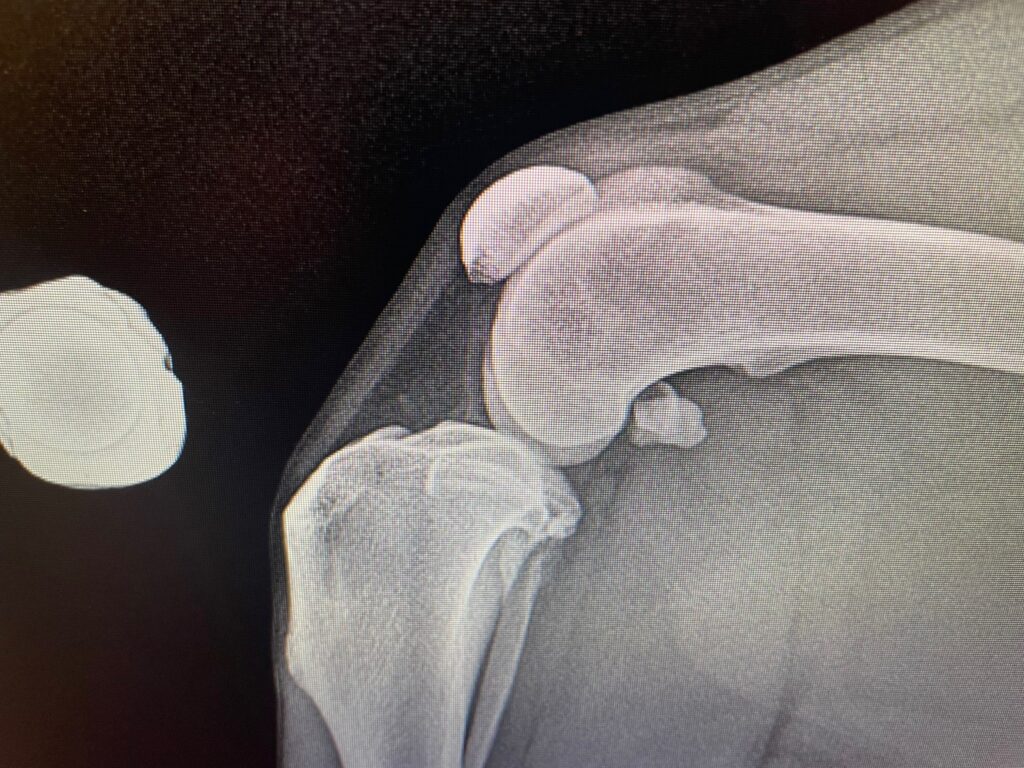
What Can an Orthopedic X-Ray Actually Show?
Radiographs can help assess bone alignment, fractures, growth-related abnormalities, joint fluid, arthritis, and certain destructive or proliferative bone lesions.
They cannot reliably show every ligament, tendon, cartilage, spinal cord, or nerve abnormality.
For a suspected cruciate ligament injury, diagnosis relies heavily on examination and assessment of knee stability. Joint swelling and arthritic changes on X-rays may support the diagnosis, but do not independently prove a tear.
If standard imaging does not answer the clinical question, a veterinarian may recommend specialist assessment, CT, MRI, or another procedure.
Learn about digital veterinary X-rays in Cave Creek →Sedation may be helpful when painful positioning, muscle tension, or anxiety prevents an accurate examination or diagnostic-quality images. The decision is based on the patient’s medical condition and the testing needed.
DFAH provides in-house veterinary laboratory testing and digital radiography, with additional consultations or referrals when appropriate.
How Are Orthopedic Conditions Treated?
Treatment depends on the underlying diagnosis, severity of pain, joint stability, age, activity, other medical conditions, and the pet’s functional needs.
There is no single treatment that is appropriate for every limp or joint problem. Important options include:
Veterinary Pain Management
Prescription medications may be used to manage inflammation and discomfort. Drug choice depends on species, kidney and liver function, hydration, medical history, and concurrent medicines.
Dogs and cats require species-appropriate treatment. Never administer human pain medication without explicit veterinary direction.
Activity Modification
Some acute injuries require temporary leash-only activity, confinement, or restrictions on running and jumping. Chronic arthritis often benefits from carefully adjusted activity rather than indefinite inactivity.
Weight and Environment Management
Maintaining an appropriate body condition can reduce load on painful joints. Nonslip flooring, pet ramps, accessible sleeping areas, and suitable litter boxes may help affected pets move comfortably.
Rehabilitation and Follow-Up
Selected patients may benefit from veterinary-directed rehabilitation, controlled strengthening, and reassessment of mobility and pain. Rehabilitation should match the diagnosis and healing stage.
Fracture Stabilization
Some fractures can be managed with carefully selected external support. Others require internal fixation, more advanced surgery, or emergency specialty treatment.
A cast is not suitable for every broken bone and can create complications if used incorrectly.
Orthopedic Surgery and Referral
Dogs with significant knee instability, certain fractures, developmental joint abnormalities, or advanced hip disease may benefit from surgical treatment.
DFAH can assess many orthopedic concerns and help coordinate appropriate surgical or specialty referral.
Does DFAH perform every orthopedic operation discussed here? No. Orthopedic assessment and surgical consultation are different from performing every advanced orthopedic procedure on-site. Procedures such as TPLO or complex fracture fixation may require a specialized surgeon, suitable equipment, or a referral hospital.
Learn about veterinary surgery and orthopedic evaluations at DFAH .
Frequently Asked Questions About Pet Orthopedic Problems
These answers address common questions about symptoms, diagnosis, treatment, surgery, mobility, and prevention.
Symptoms and Warning Signs
1. Why is my dog limping but not crying?
Dogs do not always vocalize when they are uncomfortable. A dog may have a sprain, paw injury, ligament problem, arthritis, or another painful condition while remaining relatively quiet. The severity of an injury cannot be judged by crying alone.
Persistent or recurrent limping, reluctance to bear weight, and changes in activity warrant veterinary assessment.
2. Can a cat have arthritis without an obvious limp?
Yes. Cats with osteoarthritis frequently show behavioral changes rather than an obvious limp. They may stop jumping onto counters, groom less, avoid stairs, hesitate near the litter box, or become less active.
These changes should not automatically be dismissed as normal aging. A veterinarian can evaluate mobility and other possible causes.
3. Why does my pet seem stiff after sleeping?
Stiffness after rest can occur with osteoarthritis, ligament disease, muscle problems, and other musculoskeletal conditions.
The veterinarian considers how long stiffness lasts, which limbs are involved, and whether the pet improves or worsens with activity.
4. Can an orthopedic injury cause a pet to stop eating or become unusually quiet?
Significant pain can affect appetite, activity, and behavior. However, poor appetite and lethargy may also indicate infection, systemic disease, or another medical problem.
A limping pet with fever, weakness, poor appetite, or marked lethargy needs prompt examination.
Ligaments, Knees, Hips, and Elbows
5. What is the difference between an ACL tear and a CCL tear in dogs?
Pet owners often use the term ACL tear because of its familiarity in human medicine. In dogs, the corresponding stabilizing ligament is called the cranial cruciate ligament (CCL).
A partial or complete CCL injury can produce abnormal knee motion, inflammation, pain, and progressive joint disease.
6. Does every dog with a torn CCL need surgery?
Not necessarily, but clinically important instability often makes surgical stabilization the preferred option.
The decision depends on the dog’s size, activity level, knee stability, meniscal involvement, medical condition, and other patient-specific factors. Selected patients may be managed without surgery, although persistent instability can contribute to progressive arthritis.
Options should be discussed after an orthopedic examination.
7. What is TPLO surgery?
Tibial Plateau Leveling Osteotomy (TPLO) is a surgical technique used for selected dogs with cranial cruciate ligament disease. The surgeon changes the orientation of the upper tibia and stabilizes the bone with an orthopedic plate and screws.
The objective is to improve functional knee stability. TPLO is one of several possible surgical approaches, and its suitability depends on the patient.
DFAH evaluates suspected CCL disease and discusses appropriate surgical referral when needed.
8. What is hip dysplasia, and can it be treated?
Hip dysplasia develops when the hip joint is abnormally formed or excessively loose. Joint instability may lead to pain and progressive arthritis.
Treatment may include weight management, veterinary pain medication, controlled exercise, rehabilitation, or surgery. Surgical options are selected according to age, anatomy, severity, and medical needs.
9. How is elbow dysplasia different from ordinary arthritis?
Elbow dysplasia refers to developmental abnormalities affecting the elbow joint. These abnormalities can create uneven joint loading and lead to secondary osteoarthritis.
Arthritis describes joint degeneration and inflammation, which may occur because of elbow dysplasia or other causes. X-rays and sometimes advanced imaging help guide diagnosis.
10. Why does my small dog sometimes skip on one back leg?
Intermittent skipping can be a sign of patellar luxation, in which the kneecap temporarily moves out of its normal groove.
Other causes are possible. A veterinarian can assess the kneecap, joint stability, discomfort, and whether treatment is necessary.
Fractures, Sprains, and Imaging
11. Can a dog or cat have a broken bone without visible deformity?
Yes. Some fractures are subtle or occur without obvious limb angulation. Pain, swelling, reduced weight bearing, or a sudden change in gait may be the main signs.
Radiographs are often necessary to identify the injury and determine appropriate treatment.
12. Will a cast heal every broken bone?
No. Whether external support is appropriate depends on the bone, fracture location, stability, displacement, joint involvement, and soft-tissue damage.
Some fractures require internal fixation or specialty orthopedic surgery. Improperly applied splints or casts can cause pressure injury and other complications.
13. Does every limping pet need an X-ray?
No. A careful history and orthopedic examination help determine whether imaging is likely to change diagnosis or treatment.
X-rays are especially useful when a fracture, dislocation, joint abnormality, or bone lesion is suspected. They do not replace examination of ligaments, muscles, nerves, and soft tissues.
14. Can an X-ray diagnose a torn ligament?
Standard X-rays generally do not directly display ligament tears. They may reveal joint swelling, abnormal alignment, arthritic changes, or other supporting findings.
Diagnosis often relies on orthopedic examination and stability testing. Advanced imaging or specialist evaluation may be appropriate in selected cases.
Arthritis and Long-Term Mobility
15. Is arthritis a normal part of aging?
Osteoarthritis becomes more common with age but should not be considered an untreatable consequence of getting older.
Pain assessment, weight management, appropriate activity, medication when indicated, and environmental changes may improve comfort and function.
16. Can exercise help a dog or cat with arthritis?
Appropriate, controlled activity can help maintain muscle condition and mobility in many pets with chronic joint disease.
The exercise plan should fit the diagnosis. An acute fracture or unstable ligament injury may require restriction, while a pet with chronic arthritis may benefit from regular, carefully managed movement.
17. Do joint supplements replace pain medication?
Not reliably. Evidence varies among products, and many supplements have limited or inconsistent evidence of meaningful benefit.
A supplement should not replace veterinary assessment or proven pain-management treatment when a pet is uncomfortable.
18. Can I give my pet ibuprofen, naproxen, or acetaminophen?
Do not give human pain medicines without explicit veterinary instructions. Ibuprofen, naproxen, acetaminophen, and other medications can cause severe toxicity, particularly in cats.
Appropriate veterinary medication depends on the individual patient’s species and medical condition.
Unusual Symptoms and Arizona-Specific Questions
19. Can Valley Fever cause a dog to limp?
Yes. Valley Fever can spread beyond the lungs and involve bone, causing pain, swelling, and lameness. This is an important diagnostic consideration for dogs living in Arizona.
Findings may include destructive or proliferative bone lesions on X-rays, but these findings are not exclusive to Valley Fever. Diagnosis requires interpretation of the medical history, examination, imaging, and appropriate laboratory tests.
Learn more in our Valley Fever guide for Arizona pets .
20. Is a pet dragging its feet always an orthopedic problem?
No. Paw dragging, knuckling, poor coordination, and abnormal reflexes can point toward a neurologic or spinal disorder.
Intervertebral disc disease is an example of a spinal condition that may affect walking. A veterinarian may perform a neurologic examination or recommend urgent referral.
Sudden paralysis or rapidly progressive weakness requires emergency evaluation.
21. Why did my cat suddenly lose the use of its back legs?
Sudden hind-limb paralysis in a cat is an emergency. Possible causes include spinal or neurologic injury and arterial thromboembolism, a condition in which a blood clot blocks circulation.
Affected limbs may be cold, very painful, or unusually pale. Seek emergency veterinary care immediately.
22. How long does recovery from orthopedic surgery take?
Recovery varies with the operation, fracture or ligament involved, the pet’s overall health, and the surgeon’s protocol.
Many orthopedic procedures require weeks of protected activity followed by a gradual return to function. Follow-up examinations, radiographs, and rehabilitation may be necessary.
Follow the operating surgeon’s written discharge instructions rather than a generic internet recovery timeline.
23. Can DFAH evaluate my dog or cat the same day?
Same-day urgent orthopedic evaluations may be available during regular hospital hours for medically appropriate stable patients.
Call (480) 488-2010 before arriving. Availability depends on current staffing, case volume, and your pet’s needs. Major trauma, paralysis, and other critical conditions may require an emergency or specialty hospital.
Special Considerations for Dogs and Cats in Cave Creek, Arizona
Dogs exploring trails, yards, and open desert areas around Cave Creek and Carefree face some orthopedic and injury-related risks that differ from those encountered by pets living in other environments.
Cactus Spines, Thorn Injuries, and Painful Paws
Sharp rocks, cactus spines, thorns, and damaged nails can cause a sudden limp. Some injuries involve the paw pad or tissues between the toes, while others penetrate deeper structures.
Do not dig for deeply embedded foreign material or force examination of a painful paw.
Valley Fever and Bone Pain
Arizona veterinarians must consider Valley Fever in appropriate cases of unexplained lameness, painful bone swelling, or abnormal radiographs.
Bone involvement can occur even without obvious respiratory symptoms. Valley Fever is not diagnosed solely from a limp or one nonspecific blood test.
Heat, Terrain, and Joint Health
Very hot pavement can injure paw pads, while uneven terrain increases the risk of slips, falls, and soft-tissue injuries. Appropriate walking conditions, gradual conditioning, and awareness of a pet’s physical limitations can help reduce risk.
DFAH serves dog and cat owners from Cave Creek, Carefree, Desert Mountain, Terravita, Dove Valley Ranch, Tatum Ranch, and nearby North Scottsdale communities from our Cave Creek hospital.
Orthopedic Evaluation at Desert Forest Animal Hospital
At Desert Forest Animal Hospital, we evaluate many causes of pain, limping, and mobility changes in dogs and cats. Our approach begins with the patient’s medical history and physical examination.
Depending on the findings, we may recommend digital radiographs, laboratory testing, prescription pain management, activity modification, or additional diagnostics.
When an orthopedic condition requires a specialized surgeon, advanced imaging, complex fracture fixation, or intensive postoperative monitoring, we help families understand appropriate referral options.
We do not represent that every procedure discussed in this educational guide is performed at DFAH.
Related Veterinary Resources
- Why Is My Dog Limping? Causes, Warning Signs and Diagnosis
- Veterinary Digital X-Rays and Diagnostic Radiology
- Veterinary Surgery, Orthopedic Evaluation and Referral
- Senior Dog and Cat Care: Arthritis and Mobility Changes
- Valley Fever in Dogs and Cats in Cave Creek
- Same-Day Urgent Veterinary Care and Emergency Referral Guidance
Families from Carefree and Desert Mountain can also explore our Carefree veterinary information and Desert Mountain pet care resources .
Veterinary References and Further Reading
The following professional and academic sources provide additional information about orthopedic examination, fractures, ligament disease, arthritis, and Arizona-specific musculoskeletal conditions.
- Merck Veterinary Manual: Orthopedic Examination in Small Animals
- American College of Veterinary Surgeons: Cranial Cruciate Ligament Disease
- American College of Veterinary Surgeons: Fractured Limbs
- American College of Veterinary Surgeons: Canine Hip Dysplasia
- AAHA: Pain Management Guidelines for Dogs and Cats
- U.S. Food and Drug Administration: Osteoarthritis in Cats
- University of Arizona: Valley Fever Symptoms in Dogs
This article provides general educational information and does not replace individualized veterinary examination, diagnosis, or treatment. Medical decisions depend on the pet’s findings and the resources available at the time of care.