

When a dog or cat suddenly becomes sick or injured, one of the hardest questions for a pet owner is often not whether something is wrong—it is where to go and how quickly to go there.
Should you schedule a routine veterinary appointment? Ask to be seen the same day? Or go directly to a 24-hour emergency hospital?
That middle category is where veterinary urgent care fits.
Veterinary urgent care generally refers to prompt evaluation of a dog or cat whose illness or injury should not wait several days for a routine appointment, but who does not appear to need the intensive resources of a 24-hour emergency and critical-care hospital at that moment.
At Desert Forest Animal Hospital, we provide same-day urgent veterinary care in Cave Creek during regular business hours when staffing, current patient volume, and the individual patient’s medical needs allow. Because the severity of an illness cannot always be determined from a symptom alone, we ask pet owners with an urgent concern to call before driving to the hospital.
Call Desert Forest Animal Hospital at (480) 488-2010.
If your pet is having severe difficulty breathing, has collapsed, is unresponsive, is bleeding uncontrollably, is having repeated seizures, cannot urinate, has experienced major trauma, or appears critically ill, seek emergency veterinary care immediately.
The Simplest Definition of Veterinary Urgent Care
A useful way to think about veterinary urgent care is:
A medical problem that needs attention sooner than a routine appointment, in a patient who appears stable enough that immediate critical care may not be necessary.
That definition is intentionally broader than a list of diagnoses.
A dog with vomiting, for example, might need a routine appointment, same-day urgent evaluation, or emergency treatment depending on how often the dog is vomiting, whether water stays down, whether there is abdominal pain, whether the dog is weak or collapsed, the dog’s age and medical history, and how quickly the problem is changing.
The same principle applies to limping, wounds, coughing, urinary problems, allergic reactions, eye problems and many other complaints.
Urgency is determined by the condition of the patient—not simply the name of the symptom.
Routine Appointment vs. Urgent Care vs. Emergency Care
These categories overlap, and veterinary triage always depends on the individual animal. But this framework can help pet owners understand why two pets with apparently similar symptoms may need very different levels of care.
| Type of Care | General Situation | Examples |
|---|---|---|
| Routine Veterinary Care | A stable concern that can reasonably be evaluated during a scheduled appointment. | Wellness examinations, vaccines, stable chronic conditions, mild longstanding skin problems, routine rechecks and preventive care. |
| Same-Day Urgent Care | A new or worsening illness or injury that deserves prompt evaluation but does not appear immediately life-threatening. | Some cases of vomiting or diarrhea, sudden limping, minor wounds, ear pain, eye irritation, appetite changes, urinary discomfort while still passing urine, or other sudden changes in an otherwise stable pet. |
| Emergency / Critical Care | A potentially life-threatening problem, unstable patient, major trauma, or condition that may require intensive or overnight monitoring. | Severe breathing difficulty, collapse, uncontrolled bleeding, repeated seizures, major trauma, complete inability to urinate, severe heat illness or other rapidly deteriorating conditions. |
The Merck Veterinary Manual notes that veterinary emergency teams prioritize the most life-threatening problems first, particularly problems affecting breathing, circulation, consciousness, severe bleeding, urinary obstruction, poisoning, snakebite and heatstroke.
The American Animal Hospital Association also provides pet-owner guidance for recognizing situations that may constitute a veterinary emergency.
Urgent Care Is a Triage Decision, Not Just a Diagnosis
One of the most important things pet owners can understand about urgent veterinary medicine is that the same symptom does not always have the same level of urgency.
A veterinary team considers several factors when deciding how quickly a patient should be evaluated.
1. Is the Pet Stable?
Breathing, circulation, level of consciousness, ability to stand, gum color and overall responsiveness can matter more initially than the name of the underlying disease.
A pet that is alert and walking but suddenly limping presents very differently from a pet that cannot stand after being struck by a vehicle.
2. How Severe Are the Symptoms?
A single episode of vomiting in a comfortable adult dog is different from repeated vomiting accompanied by weakness, abdominal pain or inability to keep water down.
If gastrointestinal symptoms are your primary concern, read our detailed guide to vomiting and diarrhea in dogs and cats.
3. How Quickly Is the Problem Changing?
Rapid deterioration matters.
A pet who was mildly uncomfortable an hour ago but is becoming progressively weaker, more painful or less responsive deserves more immediate attention than a pet whose mild symptoms have remained unchanged.
4. Does the Pet Have Additional Risk Factors?
Age and medical history can change the significance of a symptom.
Puppies, kittens, senior pets and animals with heart disease, kidney disease, diabetes or another chronic medical condition may tolerate illness differently from an otherwise healthy young adult animal.
This is one reason online symptom lists cannot replace veterinary triage.
What Veterinary Urgent Care Looks Like in the Sonoran Desert
Veterinary medicine is local.
A same-day veterinary practice in Cave Creek sees many of the same illnesses seen throughout the country—but our patients also live in the Sonoran Desert.
That environment changes the kinds of exposures pet owners need to recognize.
Dogs hiking around Cave Creek, Carefree, Desert Hills and North Scottsdale may encounter cactus, cholla, hot ground surfaces, wildlife and rattlesnakes. Pets in yards and garages may encounter scorpions. Arizona’s extreme temperatures can make heat-related illness particularly important.
These local hazards are useful examples of why the distinction between urgent and emergency care depends on the individual situation.
Cactus and Cholla Injuries
A few superficial cactus spines in an otherwise comfortable dog are very different from dozens of embedded cholla spines involving the mouth, eye, face or paws.
Deeply embedded spines may require veterinary removal, pain control or sedation, particularly when a frightened or painful animal cannot be handled safely.
Our detailed guide explains what Cave Creek pet owners should know about cactus spine and cholla injuries in dogs.
Scorpion Stings
Some scorpion encounters cause localized pain, while other pets may develop more concerning symptoms. Marked pain, abnormal neurologic signs, weakness, breathing changes or rapidly worsening symptoms warrant veterinary attention.
Read our local guide to scorpion stings in dogs and cats in Cave Creek.
Rattlesnake Bites
A suspected rattlesnake bite should not be treated as a minor injury simply because a dog initially appears stable.
Do not wait for dramatic swelling or obvious fang marks before calling for veterinary care.
Desert Forest Animal Hospital stocks crotalid antivenom for veterinary patients. If you suspect a bite, call immediately so our team can help determine the safest destination and prepare when appropriate.
See our comprehensive rattlesnake bite guide for Cave Creek dogs and cats.
Heat-Related Illness
Heavy panting after activity is not automatically heatstroke, but rapidly worsening panting accompanied by weakness, vomiting, abnormal gum color, confusion, collapse or neurologic abnormalities can indicate a serious emergency.
Severe heat-related illness requires immediate veterinary attention.
Not Every “Desert Disease” Is an Emergency
Local veterinary knowledge also means recognizing problems that are important in Arizona without automatically labeling them emergencies.
Valley Fever, for example, may cause coughing, fatigue, weight loss, fever or lameness. Many affected dogs are evaluated through a regular illness appointment rather than an emergency visit. A pet with severe breathing difficulty, collapse, seizures or another rapidly worsening sign, however, requires much more immediate care.
Learn more about Valley Fever in dogs and cats in Cave Creek.
This is precisely why good triage matters: local risks help determine what diseases we consider, while the patient’s condition helps determine how urgently we need to act.
What Happens During a Same-Day Urgent Veterinary Visit?
An urgent visit is not simply a shortened routine appointment.
The first goal is to determine how stable the patient is and what needs to happen next.
Step 1: Triage
The veterinary team may assess breathing, heart rate, circulation, gum color, temperature, pain, hydration, mental status and the nature of the illness or injury.
Veterinary triage prioritizes patients according to medical need. A critically ill patient may therefore need to be evaluated before a stable patient who arrived earlier.
Step 2: Veterinary Examination
The veterinarian combines the examination findings with the history of what happened, when the symptoms began, whether they are changing, the patient’s age and medical history, and any medications the pet is taking.
Step 3: Decide Whether Diagnostic Testing Is Needed
Not every urgent patient needs extensive testing.
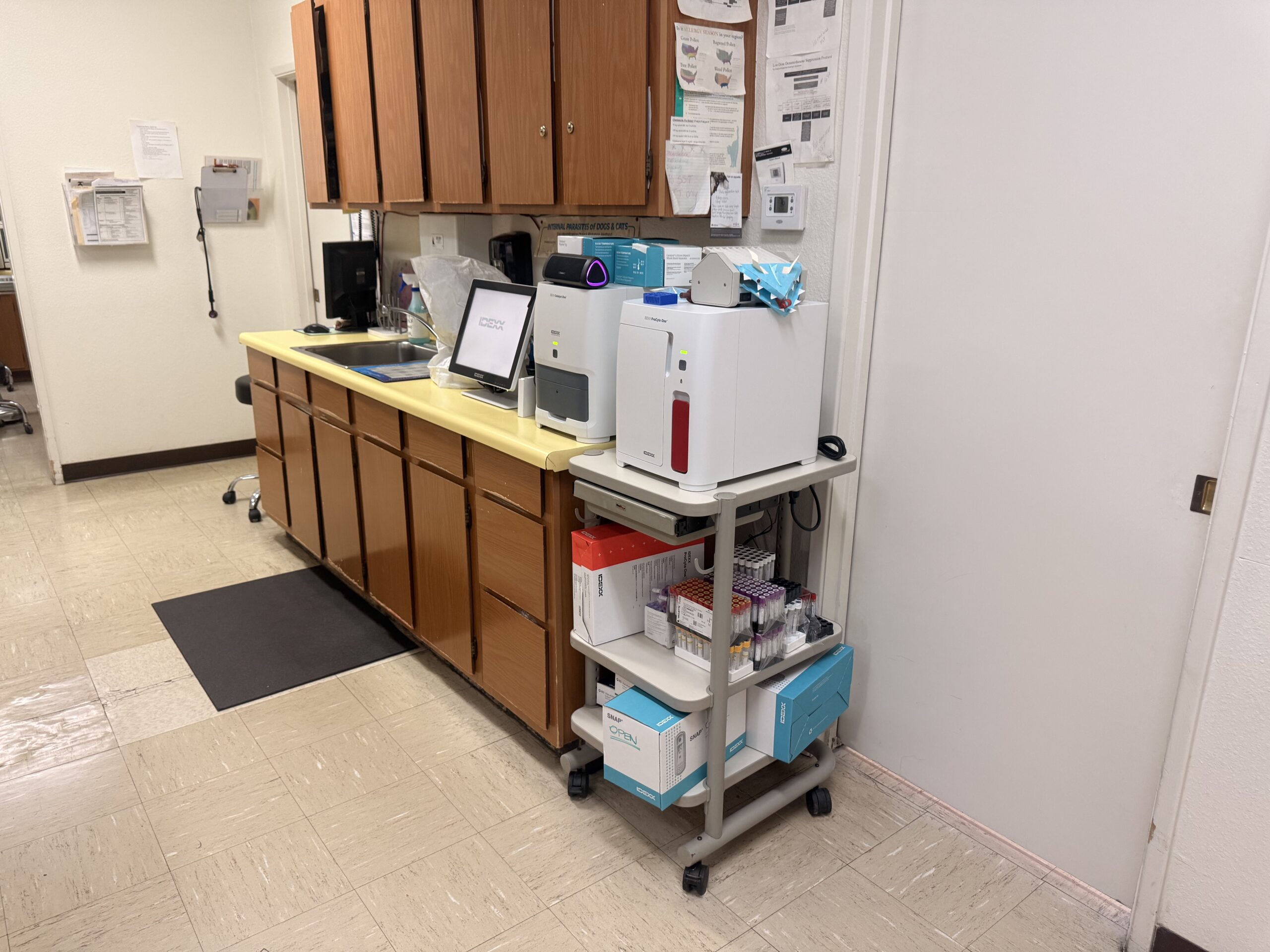
When testing is medically appropriate, Desert Forest Animal Hospital has access to in-house veterinary diagnostics and blood work, digital X-rays, and abdominal ultrasound when appropriate and available.
The purpose of diagnostics is not simply to produce numbers or images. Testing should help answer a clinical question: What is causing the symptoms? How sick is this patient? Can this pet safely go home? Does treatment need to begin now? Or does the patient require a higher level of care?
Step 4: Treatment, Monitoring or Transfer
Many stable urgent-care patients can be treated and return home with medication, monitoring instructions and a follow-up plan.
Other patients may need stabilization and transfer to a 24-hour emergency or specialty hospital for intensive treatment or overnight monitoring.
Knowing when not to keep a patient is also part of responsible urgent veterinary care.
Urgent Care Does Not Mean “Minor Care”
The word urgent can sometimes sound less serious than emergency, but that does not mean an urgent medical problem is unimportant.
Prompt evaluation can matter because a stable problem today may become more difficult to treat if it progresses.
An eye that suddenly becomes painful may need examination before permanent damage occurs. A wound may look small externally while extending deeper beneath the skin. Repeated vomiting can result in dehydration or signal an underlying gastrointestinal problem. Difficulty urinating may progress toward an obstruction.
At the same time, sending every sick pet automatically to an emergency hospital is not always necessary.
The role of veterinary triage is to help place the patient at the appropriate level of care.
When Should You Go Directly to an Emergency Hospital?
Some symptoms should not wait for a routine or same-day appointment.
Seek immediate veterinary care for signs such as:
- Severe or labored breathing
- Blue, gray or very pale gums
- Collapse, unconsciousness or profound weakness
- Major trauma
- Uncontrolled bleeding
- Repeated or prolonged seizures
- Complete inability to urinate
- A severely swollen abdomen with repeated unproductive retching
- Severe heat-related illness
- Rapidly worsening allergic reaction involving breathing
- Severe neurologic abnormalities
- Another condition in which your pet appears critically ill or rapidly deteriorating
The Merck Veterinary Manual’s pet emergency guidance emphasizes calling ahead when possible because the veterinary team can provide transportation guidance and prepare for the patient’s arrival.
What About Possible Poisoning?
Possible toxin exposure deserves special attention because some substances cause delayed symptoms.
Do not wait for a pet to become visibly ill before asking for professional guidance after a suspected poisoning.
Contact a veterinarian or the ASPCA Animal Poison Control Center. Do not induce vomiting or give medication or a home remedy unless a veterinarian or veterinary toxicology professional specifically directs you to do so.
If possible, keep the product packaging, medication bottle, ingredient list, plant identification or other information about the potential exposure available when you call.
Why Calling Ahead Matters
If your pet has a sudden illness or injury during our regular business hours, calling Desert Forest before you leave home serves several purposes.
- Our team can ask questions about the symptoms.
- We can help assess the apparent level of urgency.
- We can confirm current same-day capacity.
- We may be able to prepare equipment, medication or a treatment area.
- Most importantly, we can tell you when the safer choice is to proceed directly to a 24-hour emergency hospital instead.
Emergency medicine frequently begins with triage, and that process can begin before the patient walks through the door.
Fear Free Principles Still Matter When a Pet Is Sick
Urgent veterinary patients may be painful, nauseated, frightened or disoriented. Those experiences can make handling more stressful and sometimes change how an otherwise gentle pet behaves.
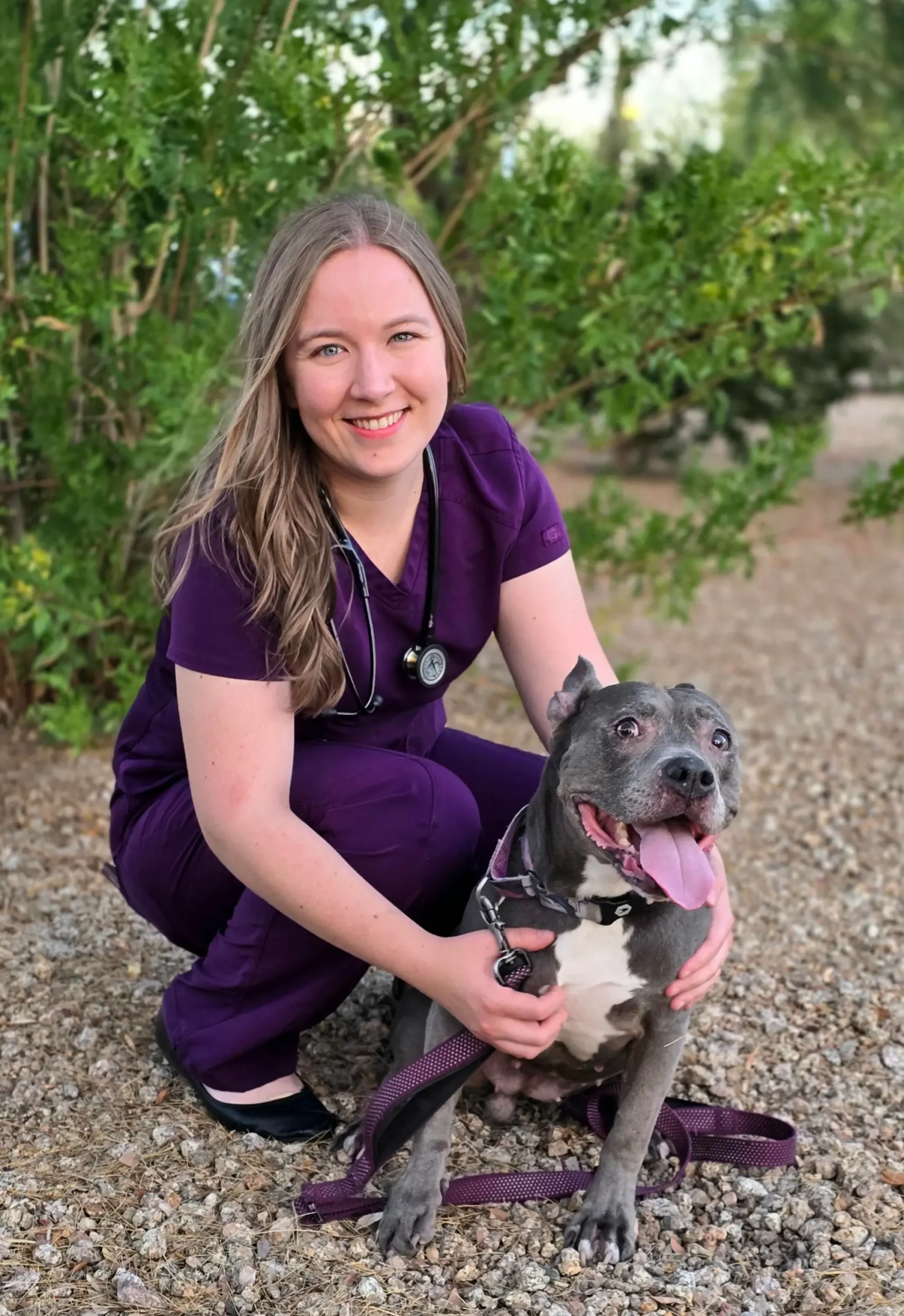
Dr. Quinn Bauer is a Fear Free Certified veterinarian, and our team incorporates Fear Free veterinary care principles whenever the patient’s medical condition permits.
Medical urgency always takes priority. A critically ill pet cannot safely wait for a gradual behavioral approach when immediate stabilization is necessary. But when the situation permits, thoughtful handling, pain management, positioning, reduced restraint and attention to the animal’s emotional state can still be important parts of care.
A Local Definition of Good Urgent Veterinary Care
For us, urgent care is not defined by seeing as many sick pets as possible.
It means helping a family answer the question they are really asking:
“My pet suddenly isn’t right. What should I do now?”
Sometimes the answer is a same-day examination at Desert Forest Animal Hospital.
Sometimes a stable pet can safely be scheduled for another time.
And sometimes the right decision is to bypass us and go directly to a 24-hour emergency hospital.
Good veterinary triage means recognizing the difference.
For families living in Cave Creek and the surrounding North Valley, it also means understanding the environment our pets live in—from extreme heat and desert wildlife to cactus injuries, scorpions, rattlesnakes and diseases associated with Arizona.
That combination of general veterinary medicine and local knowledge is an important part of caring for dogs and cats in the Sonoran Desert.
Frequently Asked Questions About Veterinary Urgent Care
Is veterinary urgent care the same as an emergency veterinarian?
No. There is overlap, but urgent care generally serves stable pets with illnesses or injuries that need prompt evaluation, while emergency hospitals are equipped for critically ill or unstable patients, major trauma, intensive treatment and overnight monitoring.
How do I know whether my pet’s problem is urgent?
There is no single symptom list that can safely answer that question for every animal. Severity, stability, age, medical history and how quickly symptoms are changing all matter. If you are uncertain, call a veterinary professional rather than trying to determine the level of care from an online symptom list alone.
Can an urgent-care veterinarian perform diagnostic tests?
Yes. Depending on the hospital and the individual patient’s needs, same-day evaluation may include blood testing, urinalysis, X-rays, blood-pressure measurement, ultrasound or other diagnostic procedures. Desert Forest Animal Hospital has in-house laboratory and diagnostic imaging capabilities that may be used when medically appropriate.
Is vomiting an urgent-care problem?
It can be. One mild episode in an otherwise normal adult pet is different from repeated vomiting accompanied by pain, weakness, dehydration, blood, abdominal swelling or inability to keep water down. Call your veterinarian if you are uncertain.
Is a rattlesnake bite urgent care or an emergency?
A suspected rattlesnake bite requires immediate veterinary attention. Do not wait for swelling, weakness or visible fang marks to develop before seeking care. Call Desert Forest Animal Hospital immediately during our regular hours so we can assess availability and help determine the safest destination.
Do I need an appointment for same-day urgent care at Desert Forest?
Call us first at (480) 488-2010. Same-day availability depends on staffing, existing patient volume and the level of care your pet requires. Do not wait for an online appointment request to be answered when you are concerned about an urgent or potentially serious problem.
Is Desert Forest Animal Hospital open 24 hours?
No. Desert Forest Animal Hospital is not a 24-hour emergency hospital and does not provide overnight intensive-care monitoring.
Our regular hospital hours are:
- Monday-Friday: 9:00 a.m.-6:00 p.m.
- Saturday: Closed
- Sunday: Closed
For life-threatening emergencies, after-hours emergencies, or patients requiring intensive or overnight care, seek an appropriate 24-hour emergency veterinary hospital.
Need Same-Day Veterinary Care in Cave Creek?
If your dog or cat suddenly becomes sick, injured, painful or simply is not acting normally, call Desert Forest Animal Hospital.
We provide same-day urgent care for dogs and cats in Cave Creek during regular business hours when staffing, current patient volume and your pet’s medical needs allow.
Call before you come: (480) 488-2010
Desert Forest Animal Hospital
6554 E Cave Creek Road
Cave Creek, AZ 85331
We care for dogs and cats from Cave Creek, Carefree, Tatum Ranch, Dove Valley Ranch, Terravita, Desert Hills, North Scottsdale, Anthem and surrounding North Valley communities.
Medical Review
Reviewed for medical accuracy by Bryan Hayter, DVM
Owner and Medical Director
Desert Forest Animal Hospital
Last medically reviewed: August 2026
This article is intended for general educational information and cannot determine the severity of an individual pet’s illness or injury. It does not replace veterinary examination, diagnosis or individualized veterinary advice. If your pet appears critically ill or is experiencing a potentially life-threatening emergency, seek veterinary care immediately.