
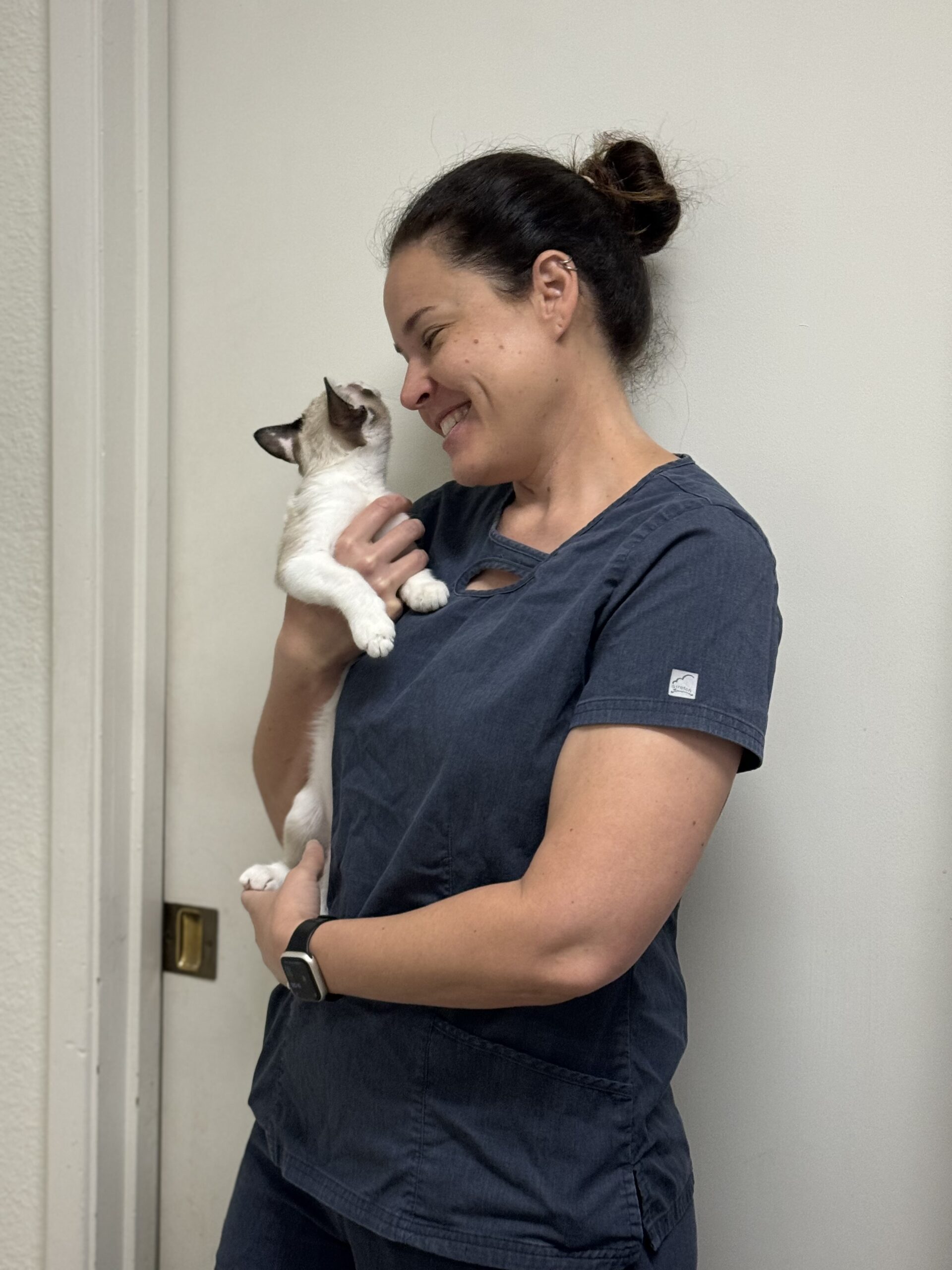

Medical review: Bryan Hayter, DVM | Owner & Medical Director, Desert Forest Animal Hospital
Last medically reviewed: September 2026
If your cat has stopped eating completely, do not simply wait several days to see whether the appetite returns.
Cats tolerate prolonged inadequate food intake poorly. Loss of appetite may be the first visible sign of pain, nausea, kidney disease, pancreatitis, gastrointestinal disease, dental pain, urinary disease, infection, liver disease, or another medical problem. Overweight cats that stop eating are also at particular risk for developing hepatic lipidosis, or fatty liver disease.
Seek prompt veterinary care sooner if appetite loss occurs with vomiting, marked lethargy, weakness, yellow gums or eyes, difficulty breathing, abdominal pain, repeated litter-box straining, inability to urinate, or another rapidly worsening symptom.
Your cat walks over to the food bowl, smells dinner, and walks away.
Maybe she eats one or two bites. Maybe she licks the gravy but leaves the food. Maybe she has been hiding all day and you suddenly realize you have not actually seen her eat.
Cats are notoriously subtle when they are sick, which makes a change in appetite especially important.
At Desert Forest Animal Hospital in Cave Creek, a cat that stops eating is not evaluated simply as a “picky eater.” The first question is why the cat does not want—or is unable—to eat normally.
The answer may involve the gastrointestinal tract, kidneys, liver, pancreas, mouth, urinary tract, pain, medications, stress, or systemic illness.
This guide explains how long a cat can safely go without food, what appetite changes can mean, why overweight cats require special attention, what veterinarians evaluate, and when loss of appetite warrants same-day or emergency veterinary care.
Loss of Appetite Is a Symptom, Not a Diagnosis
Veterinarians may use several terms when discussing appetite.
Anorexia means a loss or absence of appetite. Hyporexia means that the cat is eating less than normal.
There is also an important clinical distinction sometimes described as pseudoanorexia: the cat may actually want food but has difficulty eating because of oral pain, swallowing problems, severe congestion, jaw disease, or another physical obstacle.
That distinction matters because a cat that approaches food enthusiastically but repeatedly backs away may be telling us something different from a cat with no interest in food at all.
How Long Is Too Long for a Cat Not to Eat?
There is no single number that makes every cat safe until one moment and critically ill the next. Age, body condition, underlying disease, hydration, and the reason for appetite loss all matter.
However, cats should not be allowed to go for prolonged periods without meaningful nutrition.
The Cornell Feline Health Center notes that sustained anorexia can seriously affect the health of an adult cat after a relatively short period of time.
As a practical rule:
- A mature cat that has eaten essentially nothing for approximately 24 hours warrants veterinary attention.
- A cat eating dramatically less than normal for several days also deserves evaluation even if some food is still being consumed.
- Kittens can deteriorate much more rapidly and should be evaluated sooner.
- Diabetic cats, overweight cats, senior cats, and cats with kidney, liver, pancreatic, or other chronic disease deserve particular caution.
- Do not wait 24 hours when additional concerning symptoms are present.
Why Is Not Eating Particularly Dangerous for Cats?
Cats have metabolic and nutritional characteristics that make prolonged calorie deprivation especially concerning.
When food intake falls dramatically, the body begins mobilizing stored fat for energy. In some cats—particularly those carrying excess body fat—large amounts of fat are delivered to the liver.
The feline liver may not be able to process that influx adequately. Fat then accumulates inside liver cells and interferes with normal liver function.
This condition is called feline hepatic lipidosis.
What Is Feline Hepatic Lipidosis?
Hepatic lipidosis is often called fatty liver disease. It is one of the most important complications associated with prolonged poor food intake in cats.
The condition frequently develops secondary to another problem. In other words, hepatic lipidosis may not be the reason the cat initially stopped eating.
The original trigger might be:
- Pancreatitis
- Kidney disease
- Diabetes mellitus
- Gastrointestinal disease
- Liver or biliary disease
- Cancer
- Pain
- A stressful environmental change
- An abrupt or poorly tolerated diet change
The appetite loss then creates a second major medical problem.
Overweight cats are particularly susceptible, although hepatic lipidosis can occur in cats with other body conditions as well.
Signs of Hepatic Lipidosis
Possible signs include:
- Little or no food intake
- Rapid weight loss
- Lethargy
- Vomiting
- Drooling or excessive salivation
- Weakness
- Dehydration
- Yellow discoloration of the gums, whites of the eyes, ears, or skin
Yellow discoloration is called jaundice or icterus and requires prompt veterinary evaluation.
Why Did My Cat Suddenly Stop Eating?
Appetite is controlled by far more than the stomach.
Disease anywhere in the body can reduce a cat’s willingness or ability to eat. The pattern of appetite loss, accompanying symptoms, age, medications, and examination findings help narrow the possibilities.
Nausea and Gastrointestinal Disease
A nauseated cat does not always vomit.
Possible signs of feline nausea include:
- Walking toward food and then turning away
- Repeated lip licking
- Drooling
- Swallowing repeatedly
- Hiding
- Eating only tiny amounts
- Smelling food but refusing it
- Vomiting
Possible gastrointestinal causes include gastroenteritis, pancreatitis, inflammatory bowel disease or chronic enteropathy, intestinal obstruction, constipation, parasites, dietary indiscretion, and gastrointestinal cancer.
Pancreatitis in Cats Can Be Very Subtle
Feline pancreatitis often does not look like the dramatic pancreatitis owners may expect.
Some affected cats primarily show:
- Reduced appetite
- Lethargy
- Dehydration
- Weight loss
- Vomiting in some cases
- Abdominal discomfort that may be difficult to recognize at home
Because these signs overlap with many other illnesses, diagnosis may require blood testing, imaging, and evaluation of the complete clinical picture.
Kidney Disease and Loss of Appetite
Kidney disease is another common reason cats lose interest in food.
When kidney function declines, metabolic waste products can accumulate and contribute to nausea, dehydration, altered taste, weakness, and reduced appetite.
Other signs may include:
- Increased thirst
- Increased urination
- Weight loss
- Vomiting
- Dehydration
- Bad breath
- Muscle loss
- Lethargy
Senior cats with appetite changes often benefit from laboratory evaluation because kidney disease, thyroid disease, diabetes, liver disorders, and other internal medical problems become more common with age.
Dental and Oral Pain Can Make a Hungry Cat Stop Eating
Sometimes a cat is interested in food but eating hurts.
Possible oral problems include:
- Periodontal disease
- Feline tooth resorption
- Fractured teeth
- Stomatitis
- Oral ulceration
- Oral masses
- Foreign material in the mouth
A cat with oral pain may:
- Walk to the bowl eagerly but then back away
- Drop food
- Chew on one side
- Prefer soft food
- Chatter the jaw while eating
- Drool
- Resist having the face touched
Learn more about veterinary dental care for cats and dogs at Desert Forest Animal Hospital .
Pain Anywhere in the Body Can Reduce Appetite
Cats do not have to cry or limp dramatically to be painful.
Arthritis, spinal pain, abdominal pain, trauma, dental disease, urinary pain, and postoperative discomfort may all affect eating behavior.
A senior cat that stops walking to a food bowl on another floor, for example, may have both an appetite issue and a mobility problem.
Urinary Problems Can Present as Appetite Loss
This is particularly important in male cats.
A cat with a urethral obstruction may become nauseated, stop eating, vomit, hide, or become progressively lethargic as the obstruction worsens.
If appetite loss occurs together with repeated litter-box visits, straining, crying while trying to urinate, or producing little or no urine, consider a urinary obstruction an emergency possibility.
Do not wait for appetite to return before seeking care.
Respiratory Disease Can Make Food Less Appealing
Cats depend heavily on smell when evaluating food.
Upper respiratory congestion can therefore contribute to reduced appetite, particularly when the cat cannot smell food normally.
However, significant respiratory disease can also be medically serious.
A cat that is breathing rapidly, breathing with obvious effort, or open-mouth breathing requires urgent assessment rather than home attempts to stimulate appetite.
Can Stress Make a Cat Stop Eating?
Yes.
Cats can reduce food intake after environmental changes such as:
- Moving
- Boarding
- A new pet
- A new person in the household
- Loss of a companion
- Household conflict
- A major change in routine
- An abrupt diet change
- A frightening event
But “stress” should not become a reason to dismiss persistent anorexia.
A medical disorder and stress can occur simultaneously, and cats frequently hide illness. If appetite does not return promptly or another symptom develops, veterinary evaluation is appropriate.
My Cat Is Not Eating but Is Still Drinking. Is That Better?
Drinking water is preferable to being completely unable or unwilling to drink, but it does not make prolonged food refusal safe.
A cat may continue drinking despite kidney disease, diabetes, nausea, pancreatitis, gastrointestinal disease, fever, dental pain, or other significant illness.
The more useful questions are:
- How much is the cat actually eating?
- How long has intake been reduced?
- Is water intake normal, increased, or decreased?
- Is the cat vomiting?
- Is weight being lost?
- Are urination and stool normal?
- Has behavior changed?
My Cat Is Not Eating but Seems Normal. Should I Still Worry?
Yes, if the loss of appetite persists.
Cats can maintain remarkably normal-looking behavior during early disease.
A cat may still walk around, purr, seek attention, or drink water while a significant medical problem is developing.
Waiting for a cat to “look really sick” can delay diagnosis.
Why Does My Cat Smell Food and Then Walk Away?
This behavior is particularly useful information for your veterinarian.
It may occur with:
- Nausea
- Dental or oral pain
- Food aversion
- Altered smell
- Medication effects
- Stress
- Underlying systemic disease
If possible, take a short video of the behavior. What happens when the cat approaches food can sometimes provide useful diagnostic clues.
What Will a Veterinarian Check When a Cat Stops Eating?
The diagnostic process starts with the history.
Useful information includes:
- When your cat last ate a normal meal
- How much food is currently being consumed
- Whether treats are still accepted
- Recent diet changes
- Vomiting or diarrhea
- Stool frequency
- Urination and water intake
- Weight change
- Current medications and supplements
- Possible toxin or foreign-body exposure
- Changes in the home
- Recent boarding, travel, or veterinary procedures
The physical examination may assess hydration, body weight, muscle condition, temperature, oral health, heart and lungs, abdominal comfort, urinary bladder, lymph nodes, pain, and other findings based on the individual cat.
What Blood Tests May Be Recommended?
A physical examination cannot reveal every reason a cat has stopped eating.
Depending on the history and examination, diagnostic testing may include:
- Complete blood count
- Blood chemistry panel
- Electrolytes
- Blood glucose
- Kidney and liver values
- Thyroid testing in appropriate cats
- Pancreatic testing when clinically indicated
- Urinalysis
- Additional specialized testing based on findings
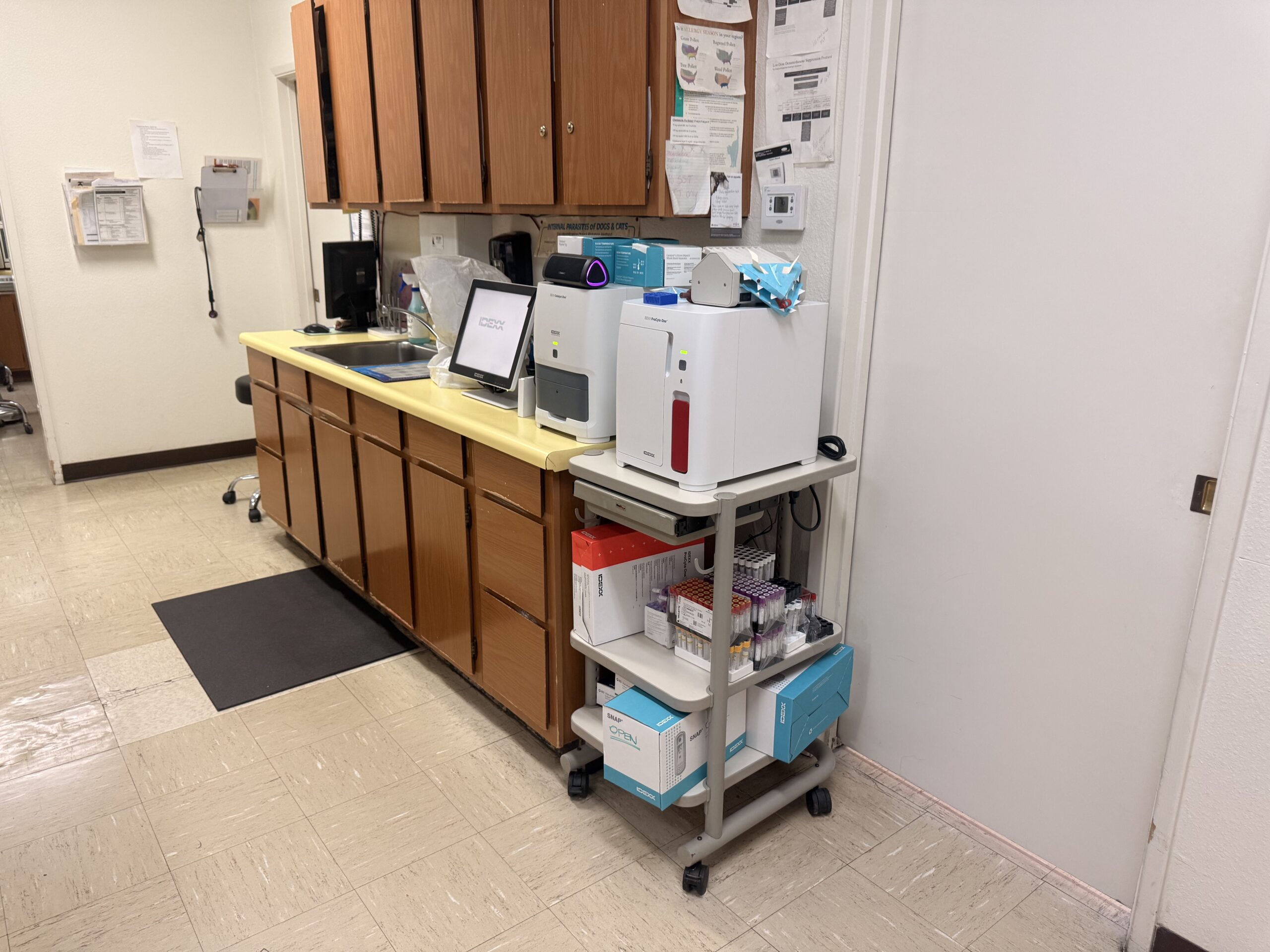
Desert Forest Animal Hospital provides in-house veterinary blood work and diagnostic testing in Cave Creek , which can be particularly useful when a sick cat requires timely evaluation.
When Are X-Rays or Ultrasound Helpful?
Imaging may be recommended when the history or examination suggests an abdominal, urinary, gastrointestinal, or other internal problem.
Digital X-rays can help evaluate concerns such as:
- Intestinal obstruction
- Constipation
- Some foreign objects
- Organ enlargement
- Urinary stones
- Chest disease
- Other structural abnormalities
Abdominal ultrasound may provide additional information about organs such as the liver, gallbladder, kidneys, pancreas, gastrointestinal tract, lymph nodes, urinary bladder, and other abdominal structures when medically appropriate and available.
Treatment Is About More Than an Appetite Stimulant
An appetite stimulant can be useful for selected cats, but appetite loss is a symptom.
If a cat is nauseated, painful, dehydrated, obstructed, severely constipated, or experiencing organ disease, simply making the cat feel hungrier may not adequately address the underlying problem.
Depending on the diagnosis, treatment may involve:
- Fluid therapy
- Antinausea medication
- Pain control
- Treatment of an underlying disease
- Correction of electrolyte abnormalities
- Appetite-stimulating medication when appropriate
- Dietary modification
- Nutritional support
- Feeding-tube support in cats unable to consume adequate calories voluntarily
Should I Force-Feed My Cat?
Do not force-feed or syringe-feed an unwilling cat unless your veterinarian has specifically developed an appropriate feeding plan.
Expert feline nutritional guidance emphasizes that forced feeding can increase stress and create negative associations with food.
It may also be inappropriate when a cat is severely nauseated, unable to swallow normally, or has another condition that needs diagnosis first.
When a cat cannot voluntarily consume enough food, a feeding tube can sometimes provide a safer, more reliable, and surprisingly well-tolerated way to provide nutrition, water, and medications while the underlying disease is treated.
A Feeding Tube Does Not Mean Treatment Has Failed
Owners are often understandably frightened when a feeding tube is discussed.
In feline medicine, nutritional support can be part of proactive treatment rather than a last resort.
Cats with hepatic lipidosis, pancreatitis, severe oral disease, prolonged inappetence, or other illnesses may need assisted nutrition while they recover.
The appropriate type of feeding support depends on the disease, anticipated duration, anesthetic considerations, and the individual patient.
What Can I Safely Try at Home While Arranging Veterinary Care?
For an otherwise stable cat with a very recent, mild appetite change, you may try simple, low-stress measures while monitoring closely.
- Offer a familiar food rather than abruptly introducing several new diets.
- Try warmed canned food if your cat normally enjoys it.
- Offer food in a quiet area away from other pets.
- Use a clean, shallow or wide dish.
- Provide fresh water.
- Record approximately how much your cat actually eats.
- Watch urine and stool output.
- Do not give human medications or another pet’s medication.
These measures should not delay veterinary care when food refusal persists or other symptoms are present.
Nutrition After an Appetite Problem
Once the underlying medical issue has been identified, the longer-term feeding strategy should fit the individual cat.
Some cats need temporary highly palatable food while recovering. Others may benefit from a therapeutic diet for kidney, urinary, gastrointestinal, weight-management, or other medical needs.
Desert Forest Animal Hospital provides individualized pet nutrition counseling in Cave Creek for dogs and cats when dietary planning is part of medical care.
Fear Free-Informed Care for a Cat Who Is Sick and Not Eating
A nauseated, painful, or debilitated cat may have much less tolerance for handling than usual.
Dr. Quinn Bauer, DVM, is a Fear Free Certified veterinarian at Desert Forest Animal Hospital, and our team incorporates Fear Free veterinary-care principles when medically appropriate.
For a sick cat, that may involve minimizing unnecessary restraint, thoughtful handling, appropriate pain control, reducing avoidable stimulation, or using medication or sedation when those options provide safer and more humane care.
Medical urgency still comes first. A cat with a life-threatening condition cannot safely delay stabilization simply because the patient is frightened.
Cat owners can also read our guide to Fear Free veterinary care for cats .
When Is a Cat Not Eating an Urgent Veterinary Problem?
Loss of appetite deserves increasingly prompt attention as its duration increases, but some accompanying signs make the situation urgent from the beginning.
Seek prompt veterinary care when your cat is not eating and also has:
- Repeated vomiting
- Marked lethargy or weakness
- Difficulty breathing
- Open-mouth breathing
- Repeated litter-box straining
- Little or no urine production
- A painful or distended abdomen
- Yellow gums, eyes, ears, or skin
- Severe drooling
- Known or suspected toxin exposure
- Possible foreign-body ingestion
- Collapse
- Neurologic abnormalities
Same-Day Urgent Care for Cats in Cave Creek
Desert Forest Animal Hospital provides same-day urgent veterinary care in Cave Creek for many stable sick and injured dogs and cats during regular business hours when staffing, capacity, and the patient’s medical needs allow.
Call (480) 488-2010 before arriving with a sick cat so our team can help determine the safest next step.
DFAH is not a 24-hour emergency hospital. A cat experiencing severe breathing difficulty, collapse, profound weakness, suspected urinary obstruction, major trauma, or another immediately life-threatening condition may require direct evaluation at an appropriate 24-hour emergency facility.
Cat Veterinary Care Near Cave Creek, Carefree & Desert Mountain
Desert Forest Animal Hospital is located at:
6554 E Cave Creek Road
Cave Creek, AZ 85331
We care for cats from Cave Creek, Carefree, Desert Mountain, North Scottsdale, Tatum Ranch, Terravita, Desert Hills, Anthem, and surrounding North Valley communities.
Families nearby can learn more about veterinary care for Carefree-area dogs and cats .
Frequently Asked Questions About Cats Not Eating
How long can a cat go without eating?
Cats should not intentionally be allowed to go prolonged periods without adequate food. An adult cat that has eaten essentially nothing for approximately 24 hours warrants veterinary attention, and some cats should be evaluated sooner. Kittens, diabetic cats, overweight cats, chronically ill cats, and cats with additional symptoms require particular caution.
My cat hasn’t eaten today but seems normal. Should I wait?
A single missed meal is not always an emergency, but complete food refusal should be monitored closely. If your cat continues refusing food, eats dramatically less than normal, or develops another symptom, contact your veterinarian rather than waiting for obvious illness.
Why is my cat not eating but still drinking water?
Cats with kidney disease, nausea, diabetes, gastrointestinal illness, pancreatitis, dental pain, fever, and many other conditions may continue drinking while eating poorly. Drinking water does not eliminate concern about prolonged appetite loss.
Why does my cat act hungry but walk away from food?
A cat that approaches food and then backs away may be experiencing nausea, dental or oral pain, altered smell, medication effects, stress, or another illness. The behavior is useful information to share with your veterinarian.
Can dental problems cause a cat to stop eating?
Yes. Tooth resorption, periodontal disease, fractured teeth, stomatitis, oral ulcers, and other painful conditions may cause a cat to approach food but have difficulty eating it.
Can stress make a cat stop eating?
Yes, environmental stress can reduce appetite in cats. However, persistent appetite loss should not automatically be blamed on stress because an underlying medical problem can produce the same behavior.
Can a cat develop fatty liver from not eating?
Yes. Prolonged severe reduction in food intake can contribute to feline hepatic lipidosis, particularly in overweight cats. Hepatic lipidosis is a serious condition that often develops secondary to another illness that caused the initial appetite loss.
Should I syringe-feed a cat that refuses food?
Do not force-feed or syringe-feed an unwilling cat unless your veterinarian has specifically recommended an appropriate technique and feeding plan. Forced feeding may worsen stress and food aversion and can be inappropriate for some sick cats.
Will an appetite stimulant fix the problem?
An appetite stimulant may help selected cats but does not replace diagnosing and treating the reason for appetite loss. Nausea, pain, dehydration, organ disease, obstruction, and other problems may need treatment first or at the same time.
My overweight cat stopped eating. Is that more concerning?
Yes. Overweight cats are particularly vulnerable to hepatic lipidosis when severe appetite loss persists. Prompt evaluation is appropriate rather than intentionally allowing an overweight cat to lose weight through food refusal.
When is a cat not eating an emergency?
Seek urgent care when food refusal is accompanied by difficulty breathing, collapse, profound weakness, repeated vomiting, jaundice, significant pain, suspected toxin exposure, or repeated attempts to urinate with little or no urine.
Trusted Feline Health Resources
This article is informed by current feline medical guidance from the Cornell Feline Health Center, Merck Veterinary Manual, and the International Society of Feline Medicine / American Association of Feline Practitioners consensus guidance on management of inappetent cats.
Don’t Wait for a Cat Who Isn’t Eating to Look Critically Ill
A reduced appetite can seem like a small symptom. In cats, it deserves attention.
The important question is not simply:
“How do I make my cat eat?”
It is:
“Why has my cat stopped eating, and does that cause need treatment?”
If your cat is eating very little or nothing, especially when the change persists or another symptom is present, contact your veterinarian.
Desert Forest Animal Hospital provides same-day urgent veterinary care and diagnostic testing and blood work for many sick cats in Cave Creek during regular business hours when availability and the patient’s needs allow.
Desert Forest Animal Hospital
6554 E Cave Creek Road
Cave Creek, AZ 85331
(480) 488-2010
If treatment cost or financing is part of planning your pet’s care, review our veterinary payment options .
New to DFAH? Visit our New Client Center .
Medical Review
Bryan Hayter, DVM
Owner & Medical Director
Desert Forest Animal Hospital
Cave Creek, Arizona
This article provides general educational information and does not replace veterinary examination, diagnostic testing, or individualized treatment. Do not delay urgent veterinary care while waiting for an online response.