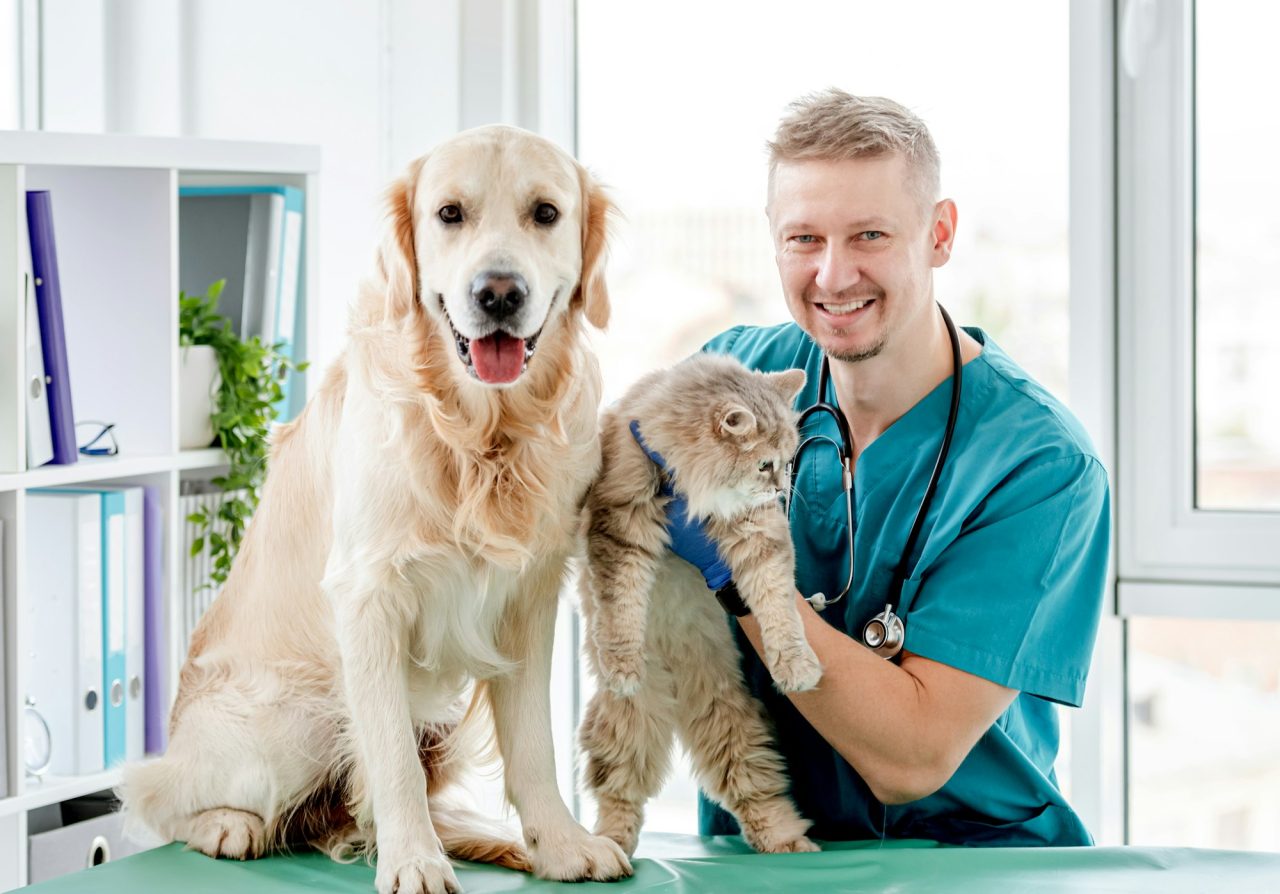
A HEALTHY, CONFIDENT START FOR YOUR NEW PET
Puppy and Kitten Care in Cave Creek, AZ
A puppy or kitten changes rapidly during the first year. Growth, immunity, behavior, nutrition and exposure risks all evolve within a matter of weeks. Desert Forest Animal Hospital provides comprehensive puppy and kitten care in Cave Creek, Arizona, helping families make thoughtful decisions from the first veterinary visit through young adulthood.
We welcome new pets from Cave Creek, Carefree, Tatum Ranch, Desert Hills, North Scottsdale, Anthem and surrounding North Valley communities. Our first-year plans include examinations, vaccinations, parasite testing and prevention, nutrition, behavior, socialization, identification, reproductive planning and locally relevant Sonoran Desert safety.
Dr. Quinn Bauer is a Fear Free Certified veterinarian. Early appointments shape how a young animal experiences veterinary care, so our team uses gentle, behavior-aware handling and positive associations whenever medically appropriate.
When Should a New Puppy or Kitten See a Veterinarian?
Schedule a first examination promptly after adoption or purchase—ideally within the first few days, even when the pet appears healthy and has records from a breeder, rescue or shelter. Young animals can carry intestinal parasites, respiratory infections, congenital abnormalities and other conditions without obvious signs.
Contact us before a routine appointment when the puppy or kitten has vomiting, diarrhea, coughing, nasal discharge, eye discharge, poor appetite, lethargy, difficulty breathing or possible exposure to a contagious illness. We may recommend a different arrival plan to protect your pet and other patients.
Bring all available information, including:
- Vaccination and deworming records with dates and product names
- Breeder, rescue or shelter medical records
- Microchip number and registration information
- A fresh stool sample
- The food label and current feeding amount
- Medication and supplement names
- Adoption, purchase or health-guarantee documents
- Videos or photographs of concerning behavior or symptoms
- Questions about training, introductions, grooming and home safety
What Happens at the First Puppy or Kitten Visit?
The first appointment creates a medical baseline and a practical plan for the months ahead. The veterinarian may:
- Review age, origin, medical records and known exposures
- Measure weight and assess body condition
- Listen to the heart and lungs
- Examine the eyes, ears, nose, mouth and teeth
- Evaluate skin, coat, paws and external parasites
- Palpate the abdomen and lymph nodes
- Assess joints, gait and developmental concerns
- Confirm sex and examine the reproductive and urinary anatomy
- Look for congenital or inherited abnormalities
- Review vaccination needs
- Recommend fecal testing, deworming and parasite prevention
- Discuss FeLV and FIV testing for kittens
- Create a growth-appropriate nutrition plan
- Discuss socialization, training and normal behavior
- Review spay or neuter timing
- Scan for or recommend a microchip
- Plan recheck visits through the first year
Not every test or treatment is necessary at every appointment. Recommendations are based on the individual pet’s age, history, examination and exposure.
Your Pet’s First-Year Veterinary Roadmap
This schedule is a general planning guide, not a substitute for an individualized veterinary plan.
| Stage | Common priorities |
|---|---|
| First days at home | Veterinary examination, record review, stool sample, nutrition review, contagious-disease screening and adjustment plan |
| Approximately 6–8 weeks onward | Begin or continue core vaccine series, parasite testing and age-appropriate prevention |
| Every 2–4 weeks during the early series | Vaccines as appropriate, growth monitoring, parasite follow-up, nutrition adjustment and behavior coaching |
| Critical early social-development period | Safe, positive exposure to handling, people, animals, sounds, surfaces, carriers and travel without overwhelming the pet |
| Approximately 4–6 months | Complete important vaccine series, evaluate permanent teeth, discuss microchipping and finalize spay or neuter timing |
| 6–12 months | Adolescent behavior, weight and nutrition review, dental development, reproductive status and transition planning |
| 6–12 months after initial vaccine series | Core vaccine booster according to species, product, age and prior records |
| Young adulthood | Transition to an adult preventive-care schedule while continuing behavior, dental, nutrition and parasite care |
Puppy Wellness Care
Puppy Vaccinations
Puppies receive a vaccine series because maternal antibodies can interfere with early doses. Core canine vaccination generally includes protection against distemper, adenovirus, parvovirus, rabies and, under current AAHA guidance, leptospirosis. Bordetella, canine influenza and other vaccines depend on lifestyle and exposure.
Arizona requires dogs three months of age or older to be vaccinated against rabies, and Maricopa County requires dog licensing and current rabies documentation.
See our comprehensive
dog and cat vaccination page
for vaccine schedules, lifestyle recommendations, titers and reaction guidance.
Puppy Parasite Testing and Prevention
Puppies commonly acquire roundworms and hookworms before birth or through nursing. They may also have Giardia, coccidia, fleas, ticks or other parasites. A normal-looking stool does not rule out infection.
The Companion Animal Parasite Council recommends repeated deworming beginning early in life, frequent fecal testing during the first year and year-round broad-spectrum parasite control. The exact plan depends on prior treatment, stool results, age, weight and exposure.
Heartworm prevention remains important in Arizona because mosquitoes occur around irrigation, pools, drains, monsoon moisture and standing water.
Learn more about
parasite prevention for Cave Creek puppies and kittens
.
Puppy Nutrition and Growth
Feed a complete and balanced diet formulated for growth. Large- and giant-breed puppies need food specifically formulated to support controlled growth, with appropriate calcium and energy levels. Excess calories and unnecessary calcium supplements can increase developmental orthopedic risk.
We monitor weight and body condition at each visit. A growing puppy should remain lean enough that the ribs can be felt without a heavy layer of fat.
Avoid automatically adding vitamins, calcium, raw food or social-media supplements to a complete growth diet. Supplements can unbalance the diet or introduce avoidable risk.
Visit our
pet nutrition counseling page
for growth diets, portion planning and large-breed considerations.
Safe Puppy Socialization Before the Vaccine Series Is Complete
The first three months of life are especially important for puppy socialization. Waiting until every vaccine is complete can cause the puppy to miss part of this developmental window.
Safe socialization does not mean allowing an incompletely vaccinated puppy to roam through dog parks, pet-store floors or heavily used pet-relief areas. It means creating controlled, positive experiences while reducing infectious-disease exposure.
Appropriate experiences may include:
- Meeting calm, healthy, vaccinated dogs known to you
- Being carried or transported to observe new places
- Experiencing different household sounds and surfaces
- Meeting people of different ages and appearances without forced contact
- Practicing gentle handling of paws, ears, mouth and collar
- Short, positive car rides
- Well-managed puppy classes after veterinary review
- Learning to rest calmly on a mat or in a crate
The American Veterinary Society of Animal Behavior supports carefully managed puppy socialization before the vaccine series is complete when appropriate health and vaccine safeguards are in place.
Reward-Based Puppy Training
Use food, play, praise and access to desired activities to reinforce appropriate behavior. Punishment-based methods and tools that rely on pain, fear or intimidation can increase stress and may worsen fear or aggression.
Begin with short, successful sessions involving:
- Name recognition
- House training
- Crate or confinement-area comfort
- Coming when called
- Loose-leash foundations
- Trading objects rather than forcibly taking them
- Redirecting puppy biting to appropriate toys
- Calm handling and cooperative care
- Comfort with brief, gradual periods alone
Contact us early about intense fear, guarding, panic when left alone, persistent aggression or behavior that places people or animals at risk.
Exercise for Growing Puppies
Puppies need play and exploration, but repetitive high-impact exercise should match their developmental stage. Avoid long forced runs, repeated high jumping and exercise in dangerous heat. Large-breed puppies may require additional care while bones and joints mature.
Kitten Wellness Care
Kitten Vaccinations
Core feline vaccination includes FVRCP protection against feline herpesvirus, calicivirus and panleukopenia, along with rabies vaccination. FeLV vaccination is considered core for kittens and cats younger than one year, then becomes lifestyle-based for older cats.
Even indoor kittens need an individualized vaccine plan. Cats can escape, encounter bats, enter boarding or shelter environments or be exposed when another cat enters the household.
Full schedules and legal considerations are explained on our
pet vaccinations page
.
FeLV and FIV Testing
Feline leukemia virus and feline immunodeficiency virus can affect long-term health and may be transmitted between cats. Feline veterinary guidelines recommend knowing a cat’s retrovirus status and testing newly acquired cats as soon as practical.
Testing is especially important when the kitten’s mother or background is unknown, when the kitten has been exposed to cats of unknown status or before FeLV vaccination. A single test does not resolve every situation; repeat or confirmatory testing may be recommended according to age, exposure timing and initial result.
Kitten Parasites
Kittens may have roundworms, hookworms, Giardia, coccidia, fleas or ear mites even when they appear healthy. Bring a fresh stool sample and all deworming records to the first visit.
Indoor kittens may still need heartworm, intestinal-parasite and flea prevention according to exposure. Never use a dog flea or tick product on a cat unless the label specifically identifies it as safe for cats; some canine products can be fatal to cats.
Kitten Nutrition
Kittens require a complete and balanced growth diet with adequate protein, energy, essential fatty acids, vitamins, minerals and taurine. Cow’s milk is not an appropriate substitute for kitten formula and commonly causes digestive upset.
Meal patterns depend on age, size and household routine. We help owners measure food, monitor body condition and plan the eventual transition to adult nutrition.
Raw diets can expose kittens and household members to bacteria and may not provide balanced nutrition unless carefully formulated and quality controlled. Discuss any homemade or unconventional diet with a veterinarian before feeding it.
Creating a Healthy Indoor Environment
A kitten needs more than food and a litter box. FelineVMA environmental guidance emphasizes safety, separated resources, play, positive human interaction and respect for the cat’s sensory needs.
Provide:
- A secure retreat where the kitten can hide and rest
- Food and water in locations that feel safe
- Multiple scratching surfaces
- Vertical spaces and sturdy climbing options
- Interactive play that allows stalking and capture
- Quiet sleeping areas
- Separate resources in multi-cat households
- A predictable routine
Litter-Box Foundations
Use a large, easy-to-enter box in a quiet, accessible location. Many cats prefer unscented, fine-textured litter. A common starting point is one litter box per cat plus one additional box, distributed in separate locations rather than lined up as one resource.
Scoop at least daily. Do not punish elimination outside the box. House-soiling can result from box setup, stress, conflict, pain or urinary and gastrointestinal disease.
Kitten Socialization and Handling
Continue gentle, positive exposure to people, household sounds, carriers, car travel, nail handling, brushing and brief examination of the mouth and ears. Allow the kitten to approach at an individual pace rather than forcing interaction.
Short reward-based sessions can teach kittens to enter a carrier, come when called, use scratching posts and cooperate with simple care. Stop when the kitten hides, crouches, growls, hisses or becomes overwhelmed.
Introducing a Kitten to Other Pets
Begin with a separate safe room. Exchange scents, feed on opposite sides of a closed door and progress gradually to visual and supervised contact. Rushing an introduction can create fear and conflict that take much longer to repair.
Newly acquired cats should be medically evaluated and appropriately tested before unrestricted contact with resident cats.
Spaying and Neutering: Individualized Timing
Spaying or neutering prevents unplanned litters and provides important medical and behavioral benefits, but timing should be discussed rather than selected from a generic calendar.
Cats
Cats can become reproductively active as early as four to five months. FelineVMA and AAHA support spaying or neutering cats not intended for breeding by approximately five months of age, provided the individual kitten is healthy and the veterinarian considers the procedure appropriate.
Dogs
The best age for a dog varies according to projected adult size, breed, sex, reproductive risk, lifestyle and individual health. The discussion balances prevention of unwanted pregnancy and reproductive disease against breed- and size-related considerations associated with earlier or later sterilization.
Review our
spay and neuter services
and discuss timing during your puppy or kitten’s early visits.
Microchipping and Identification
A collar and visible ID tag are important, but they can be lost. A microchip provides permanent identification that can be scanned by veterinary hospitals and shelters.
A microchip is not a GPS tracker. It works only when the unique number is registered to accurate contact information. Register the chip promptly and update the registry whenever your phone number, address or emergency contact changes.
Ask us to scan any chip already present and confirm the number before submitting registration paperwork. Learn more about
pet microchipping in Cave Creek
.
Dental Development During the First Year
Puppies and kittens lose their baby teeth as permanent teeth erupt. We monitor for:
- Retained baby teeth
- Crowding or abnormal alignment
- Fractured teeth
- Teeth that injure the palate or gums
- Missing or unerupted teeth
- Early gingivitis
Begin positive tooth-brushing practice early using toothpaste made for pets. Do not use human toothpaste. Avoid antlers, hard bones, rocks and other objects hard enough to fracture teeth.
Our
pet dental care page
explains home care, professional cleaning and dental X-rays.
Sonoran Desert Safety for Puppies and Kittens
Young pets are curious, physically immature and unfamiliar with local hazards. Cave Creek families should plan for the realities of desert living.
Heat and Hot Surfaces
Puppies and kittens overheat more easily than many owners expect. Never leave a pet in a parked vehicle. During hot weather, exercise dogs during cooler hours, carry water and test walking surfaces before allowing prolonged contact.
Panting that does not settle, weakness, vomiting, disorientation, collapse or unusually red, pale or blue gums requires immediate veterinary attention.
Rattlesnakes
Keep puppies leashed outdoors, supervise yards and do not allow investigation of holes, rocks or dense brush. A suspected rattlesnake bite is an emergency even when puncture wounds are not visible.
Desert Forest Animal Hospital stocks antivenom and evaluates snakebites during regular business hours. Read our
rattlesnake-bite guide for dogs and cats
.
Valley Fever and Dust Exposure
Valley Fever develops after inhalation of fungal spores from disturbed desert soil. There is no guaranteed method of prevention, but limiting digging, avoiding rodent holes and reducing outdoor activity during major dust events or soil disturbance may reduce exposure.
Persistent cough, fever, fatigue, weight loss or unexplained lameness should be evaluated. Learn more about
Valley Fever in Cave Creek pets
.
Cactus, Thorns and Plant Material
Check paws, face and coat after outdoor exploration. Do not pull deeply embedded spines near the eye, mouth or airway. Repeated paw licking, swelling, drainage or sudden limping may indicate retained plant material.
Wildlife and Predators
Coyotes, bobcats and birds of prey can threaten small puppies and kittens. Supervise outdoor time, especially at dawn, dusk and night. Cats are safest indoors or in a secure enclosure.
Pools and Water Features
Teach dogs how to locate pool steps and do not assume a puppy can swim safely. Secure pools, fountains and containers that create drowning or mosquito risks.
Parasites in a Dry Climate
Fleas are less common in the dry desert than in humid regions, but mosquitoes, ticks and intestinal parasites remain relevant. Irrigation, travel, wildlife and indoor environments change exposure.
Common First-Year Health Concerns
Young puppies and kittens can become dehydrated or critically ill more quickly than healthy adult pets. Do not wait for a very young animal to “sleep it off” when symptoms are significant or progressing.
If your puppy or kitten develops a sudden illness or injury during our regular clinic hours, call (480) 488-2010 before arriving. Desert Forest Animal Hospital provides same-day urgent veterinary care in Cave Creek for many stable illnesses and injuries when availability allows.
Difficulty breathing, collapse, profound weakness, major trauma, uncontrolled bleeding, repeated seizures, or another life-threatening condition may require immediate treatment at a 24-hour emergency hospital.
Fear Free Puppy and Kitten Visits
Early veterinary experiences can influence future fear and cooperation. Dr. Quinn Bauer is a Fear Free Certified veterinarian, and our team works to create positive associations whenever the pet’s medical needs allow.
A lower-stress visit may include:
- Bringing the kitten in a secure carrier with familiar bedding
- Keeping the carrier out at home so it becomes a resting place
- Using a non-slip examination surface
- Allowing exploration before handling
- Using food rewards when medically appropriate
- Examining a puppy on the floor or a kitten in the carrier base
- Performing the least stressful steps first
- Using minimal necessary restraint
- Taking brief breaks when stress increases
- Using veterinarian-prescribed pre-visit medication when needed
Fear Free care does not mean that every procedure is entirely sensation-free or that necessary care is skipped. It means we consider emotional welfare while selecting a safe, humane approach.
Visit our
Fear Free veterinary care page
for preparation guidance.
Preparing Your Home for a Puppy or Kitten
Essential Supplies
- Species-appropriate growth food
- Food and water bowls
- Secure carrier for a kitten
- Leash, harness and secure collar for a puppy
- Visible identification tag
- Crate, pen or safe confinement area
- Appropriate bedding
- Litter boxes and unscented litter for cats
- Safe chew toys and interactive toys
- Scratching surfaces and vertical space for cats
- Enzymatic cleaner for accidents
- Brush, nail trimmers and pet-safe dental supplies
Pet-Proofing
Secure or remove:
- Medications, supplements and cannabis products
- Chocolate, xylitol products, grapes, raisins, onions and other toxic foods
- Lilies and other toxic plants
- String, ribbon, thread, hair ties and small swallowable objects
- Electrical cords
- Cleaning products and pesticides
- Rodent bait and snail bait
- Open windows, balconies and unsecured screens
- Trash, compost and accessible food packaging
- Pool and yard hazards
Keep the phone numbers for Desert Forest Animal Hospital and a nearby 24-hour emergency hospital readily available.
Planning for the Cost of First-Year Care
The first year often includes several examinations, vaccines, parasite testing, preventives, microchipping and spay or neuter surgery. Illness, congenital conditions or accidental injury can add unexpected costs.
Consider pet insurance or a dedicated emergency fund soon after adoption. Insurance policies vary substantially in exclusions, waiting periods, reimbursement and coverage of congenital or hereditary conditions. Read the actual policy rather than relying only on advertising.
Desert Forest Animal Hospital also provides information about
veterinary payment options
.
Why Choose Desert Forest Animal Hospital for Your New Pet?
Complete First-Year Planning
We connect vaccines, parasite control, nutrition, behavior, identification, reproduction and local safety into one coordinated plan.
Separate Puppy and Kitten Care
Puppies and kittens are not treated as interchangeable. We address species-specific health, behavior, nutrition and environmental needs.
Fear Free Certified Veterinarian
Dr. Quinn Bauer uses behavior-aware techniques intended to reduce fear and create healthier long-term veterinary experiences.
Local Sonoran Desert Knowledge
We discuss heat, rattlesnakes, Valley Fever, wildlife, cactus injuries, mosquitoes, ticks and the realities of raising a young pet in Cave Creek.
Individualized Recommendations
We account for breed, projected adult size, indoor or outdoor lifestyle, travel, household animals and medical history.
Continuity Into Adult Care
The information gathered during the first year becomes the foundation for lifelong preventive care at Desert Forest Animal Hospital.
Frequently Asked Questions About Puppy and Kitten Care
How soon should I take my new puppy or kitten to the veterinarian?
Schedule an examination promptly, ideally within the first few days after adoption or purchase. Contact the hospital sooner when the pet has vomiting, diarrhea, respiratory signs, poor appetite or unusual lethargy.
Should I bring a stool sample to the first appointment?
Yes. Bring a fresh sample in a clean, sealed container or bag. Young animals commonly have microscopic parasites even when their stool appears normal.
Can my puppy socialize before all vaccines are complete?
Yes, with veterinary guidance and careful risk management. Controlled positive exposure during the early socialization period is important, while dog parks, heavily used pet areas and contact with unhealthy or unvaccinated dogs should be avoided.
When can my puppy attend a training class?
A well-managed puppy class may begin before the entire vaccine series is complete when the puppy is healthy, has received appropriate initial vaccination and parasite care, and the facility uses sound infection-control practices. Ask the veterinarian to review the local risk.
Why does my puppy or kitten need several vaccines?
Maternal antibodies can block an early vaccine response. A series increases the likelihood that a dose is administered after those antibodies decline and before the young pet encounters disease.
Does an indoor kitten need vaccines and parasite prevention?
Usually, yes. Indoor cats can escape, encounter bats, ingest insects or rodents, be exposed to mosquitoes and enter boarding or shelter environments. The exact plan should be individualized.
Should my kitten be tested for FeLV and FIV?
Feline guidelines recommend knowing the retrovirus status of newly acquired cats. Testing is especially important when background or maternal status is unknown, before FeLV vaccination and after possible exposure.
What should I feed a large-breed puppy?
Feed a complete growth diet formulated for large-breed puppies. These diets control energy and minerals to support steady skeletal growth. Avoid additional calcium unless specifically prescribed.
When should I switch to adult food?
Timing depends on species and projected adult size. Kittens and most small- or medium-breed puppies often remain on growth food until approximately one year, while some large or giant breeds may need an appropriate growth diet longer.
When should my puppy be spayed or neutered?
There is no single best age for every dog. Timing depends on breed, projected adult size, sex, reproductive risk, lifestyle and individual health. Discuss the decision during early wellness visits.
When should my kitten be spayed or neutered?
Cats can become reproductively active by four to five months. Major feline veterinary organizations support spaying or neutering cats not intended for breeding by approximately five months when medically appropriate.
Should I microchip an indoor pet?
Yes. Indoor pets can escape during moves, repairs, visitors, storms or emergencies. Register the microchip and keep the associated contact information current.
How many litter boxes does a kitten need?
A common starting point is one box per cat plus one additional box, placed in separate accessible locations. Individual preferences, home layout and mobility may require adjustment.
Is it normal for puppies to bite?
Mouthing is common, but it still requires calm teaching. Redirect biting to appropriate toys, reinforce gentle behavior and provide rest. Seek help early for intense biting, guarding, fear or aggression.
When is vomiting or diarrhea an emergency in a puppy or kitten?
Young animals can dehydrate quickly. Repeated vomiting, bloody diarrhea, weakness, pale gums, abdominal pain, refusal to eat or drink, collapse or possible toxin or foreign-body ingestion warrants prompt veterinary attention.
How can I make the first veterinary visit less stressful?
Bring familiar bedding and high-value treats, keep kittens in a secure carrier, avoid a rushed arrival and tell the team about fear or handling concerns. Practice brief positive handling and car rides before the appointment.
Trusted Puppy and Kitten Care Resources
Our first-year canine care is informed by the
AAHA Canine Life Stage Guidelines
,
which integrate preventive care, behavior, nutrition, dental health, reproduction and safety.
Our feline care is informed by the
AAHA/AAFP Feline Life Stage Guidelines
and
FelineVMA environmental-needs guidance
.
The
American Veterinary Society of Animal Behavior puppy-socialization statement
explains why safe, positive socialization should begin during the early developmental window rather than waiting until every vaccine is complete.
The
AVSAB humane dog-training statement
supports reward-based methods rather than training that relies on pain, force or fear.
The
Companion Animal Parasite Council
provides current puppy and kitten recommendations for fecal testing, deworming and year-round parasite control.
Nutritional recommendations are informed by the
AAHA Nutrition and Weight Management Guidelines
,
including controlled growth and avoidance of excessive calcium in large- and giant-breed puppies.
Feline retrovirus testing is addressed in the
FelineVMA Feline Retrovirus Testing and Management Guidelines
.
The
American Veterinary Medical Association microchipping guide
explains registration, scanning and why a microchip is not a GPS tracker.
Local dog licensing and rabies requirements are available from
Maricopa County Animal Care and Control
.
Puppy and Kitten Veterinary Care Near Cave Creek and Carefree, AZ
Desert Forest Animal Hospital is located at 6554 E. Cave Creek Road, Cave Creek, AZ 85331. We provide first-year care for puppies and kittens from:
- Cave Creek
- Carefree
- Tatum Ranch
- Desert Hills
- North Scottsdale
- Anthem
- Nearby North Valley and Sonoran Desert communities
Families living nearby can also visit our
veterinarian-near-Carefree page
.
Schedule Your Puppy or Kitten’s First Visit
Bring your records, food information, stool sample and questions. We will build a first-year plan around your pet’s health, development, lifestyle and local exposure rather than handing you a generic checklist.
Call Desert Forest Animal Hospital at (480) 488-2010 or request an appointment online.