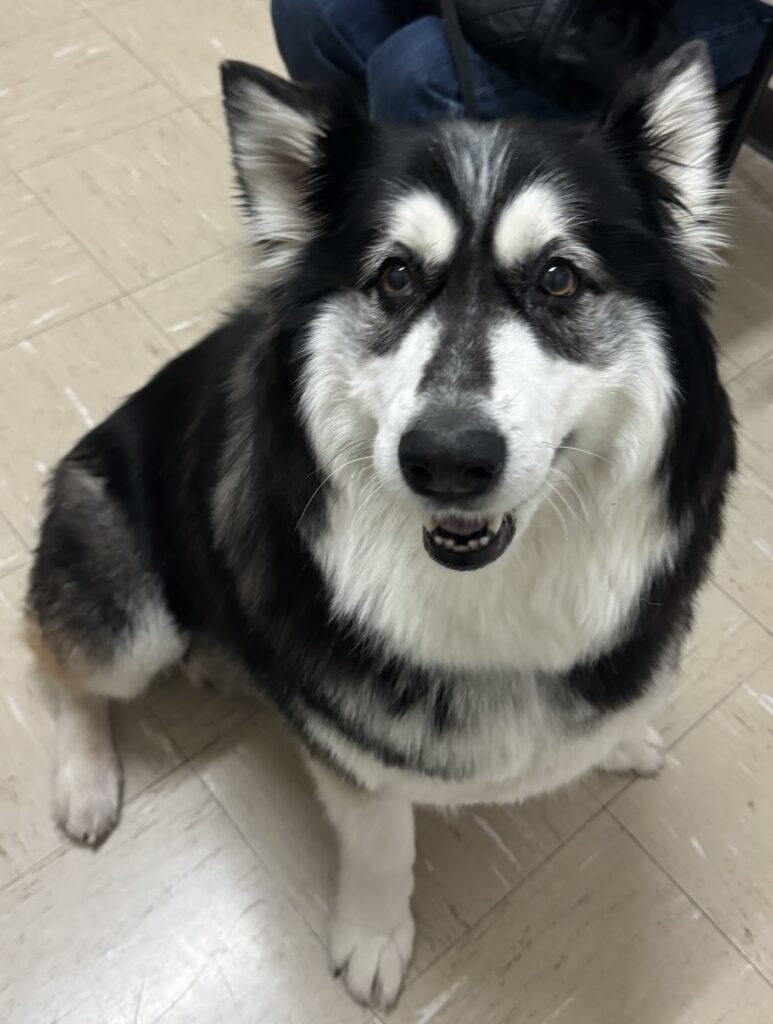
ALLERGY EVALUATION AND TREATMENT FOR DOGS AND CATS
Pet Allergy Treatment in Cave Creek, AZ
Persistent itching, paw licking, recurring ear infections, hair loss, and irritated skin can significantly affect a pet’s comfort and quality of life. Desert Forest Animal Hospital provides individualized allergy evaluations and treatment for dogs and cats in Cave Creek, Carefree, Tatum Ranch, Desert Hills, North Scottsdale, and nearby North Valley communities.
Pet allergies can be complicated. Environmental allergies, food reactions, fleas, parasites, bacterial infections, yeast infections, pain, and other medical conditions can produce similar symptoms. Rather than assuming that every itchy pet has the same problem, our veterinarians evaluate the pattern, timing, severity, and possible underlying causes of your pet’s symptoms.
Our veterinary team is led by Dr. Bryan Hayter and includes Dr. Quinn Bauer, a Fear Free Certified veterinarian. We use gentle, patient handling techniques intended to reduce fear, anxiety, and stress whenever your pet’s medical needs allow.
Request a Pet Allergy Appointment
|
Call (480) 488-2010
Signs of Allergies in Dogs and Cats
Pet allergies usually affect the skin and ears, although some pets also develop digestive symptoms. Signs may be seasonal, year-round, or present only during intermittent flare-ups.
Possible signs of an allergic condition include:
- Frequent scratching, chewing, licking, or rubbing
- Persistent licking or chewing of the paws
- Red or inflamed skin between the toes
- Recurring ear infections or ear inflammation
- Head shaking or scratching at the ears
- Face rubbing
- Hair thinning or bald areas
- Red, flaky, greasy, crusted, or thickened skin
- Recurring hot spots
- Unusual skin or ear odor
- Repeated bacterial or yeast infections
- Small scabs, sores, bumps, or pustules
- Excessive grooming in cats
- Vomiting, diarrhea, or increased bowel movements in some food-sensitive pets
These symptoms are not specific to allergies. Parasites, infections, orthopedic pain, neurologic disease, hormonal disorders, autoimmune conditions, and other skin diseases can produce similar signs. A veterinary examination is important before beginning treatment.
Common Types of Pet Allergies
Environmental Allergies
Dogs and cats can develop reactions to environmental allergens such as pollens, grasses, weeds, molds, dust mites, and other substances in their surroundings. In the Sonoran Desert, symptoms may change with seasonal pollen, wind, dust, monsoon moisture, indoor allergen exposure, and time spent outdoors.
Environmental allergies may cause paw licking, face rubbing, ear inflammation, generalized itching, recurrent skin infection, hair loss, or excessive grooming. Some pets experience symptoms during one part of the year, while others remain itchy throughout the year.
Food Allergies and Adverse Food Reactions
Food-related skin disease may cause year-round itching, paw irritation, recurring ear infections, repeated skin infections, excessive grooming, or gastrointestinal symptoms. A pet can become sensitive to an ingredient it has eaten for months or years, so a food allergy does not necessarily begin immediately after changing diets.
Food allergies are usually reactions to one or more dietary proteins. They are not the same as grain sensitivity, and changing to an over-the-counter grain-free diet does not reliably diagnose or treat a true food allergy.
Flea Allergy Dermatitis
Some dogs and cats are highly sensitive to flea saliva. A susceptible pet may develop intense itching after only a small number of flea bites. Fleas may not be seen because pets often remove them while grooming, and Arizona’s warm climate can allow flea exposure during much of the year.
Consistent prevention is an important part of evaluating an itchy pet. Learn more about our parasite prevention recommendations for dogs and cats.
Contact Reactions
Contact-related skin reactions are less common but may occur after exposure to certain cleaning products, topical products, plants, fabrics, lawn treatments, or other substances. Lesions may be more noticeable on sparsely haired areas that directly contact the triggering material.
How Allergies Commonly Appear in Dogs
Dogs with environmental or food-related allergies frequently develop itching around the paws, face, ears, abdomen, armpits, or groin. Persistent paw licking is common, but the location and pattern of licking matter.
Paw Licking Is Not Always Nervous Licking
A common misconception is that a dog licking inside or between the paws is simply anxious or bored. Persistent interdigital licking more often warrants evaluation for allergies, yeast or bacterial infection, foreign material, parasites, nail disease, irritation, or pain.
Repetitive behavior-related licking in dogs more classically affects an easily accessible area on the top or front of a forelimb, often over the dorsal antebrachium, carpus, or nearby region. This can contribute to an acral lick lesion. However, location alone cannot establish a behavioral diagnosis.
Before labeling licking as nervous, our veterinarians consider medical causes such as:
- Environmental or food-related allergies
- Bacterial or yeast infection
- Fleas, mites, or other parasites
- Foreign material between the toes
- Arthritis, orthopedic discomfort, or soft-tissue pain
- Nerve pain or neurologic disease
- Nail or nail-bed disease
- Skin masses or other local lesions
Behavioral and medical factors can coexist. Some dogs continue licking after the original medical trigger has improved, so successful treatment may require addressing both the skin condition and the learned licking behavior.
How Allergies Commonly Appear in Cats
Cats often hide itching by grooming rather than visibly scratching. Owners may notice hair loss before they notice any redness or skin lesions.
A Bald Abdomen Is a Common Feline Presentation
One of the most common allergy presentations in cats is a bald or thinly haired abdomen caused by repeated licking. The remaining hair may feel short or stubbly because the cat has broken it off while grooming. Similar hair loss may extend to the inner thighs, groin, flanks, or forelegs.
Other possible signs of allergies in cats include:
- Hair loss on the abdomen, inner thighs, flanks, or legs
- Excessive grooming when no one is watching
- Small crusted bumps or scabs, sometimes called miliary dermatitis
- Itching around the head and neck
- Recurring ear inflammation
- Sores on the lips, abdomen, or thighs
- Hair loss near the tail base with flea allergy
- Vomiting or diarrhea in some food-sensitive cats
Is My Cat Licking Because of Stress?
Stress and compulsive grooming can contribute to feline hair loss, but a bald abdomen should not automatically be diagnosed as anxiety. Fleas, environmental allergies, food reactions, pain, parasites, infection, and other medical problems must be considered first.
When behavior-related licking affects a forelimb, it may be directed toward an accessible surface on the top of the forearm rather than primarily inside the paws. Nevertheless, the location is only one clue. Cats with allergies or pain can groom many different areas, and some cats have both medical and behavioral contributors.
Learn more about the broader evaluation of hair loss, skin infection, ear disease, and other conditions on our veterinary dermatology page.
How We Evaluate an Itchy Pet
There is no single universal test that identifies the cause of every pet’s itching. We begin with a detailed history and physical examination.
Helpful information may include:
- When the symptoms began
- Whether signs are seasonal or year-round
- Which areas of the body are affected
- Your pet’s current and previous diets
- All treats, supplements, chews, and flavored medications
- Current flea and parasite prevention
- Previous treatments and the response to each treatment
- Other pets or people in the home with skin symptoms
- Changes in the home, yard, routine, or environment
- Any vomiting, diarrhea, weight changes, or other health concerns
Depending on the examination findings, we may recommend:
- Skin or ear cytology to look for bacteria, yeast, and inflammatory cells
- Skin scrapings to evaluate for certain mites
- Flea-comb examination and parasite assessment
- Fungal testing when ringworm or another fungal condition is suspected
- Bacterial culture for selected or recurrent infections
- An eight-week elimination diet trial when food allergy is suspected
- Bloodwork or other diagnostic testing when an underlying medical condition may be contributing
- Environmental allergy testing when it may help formulate allergen-specific immunotherapy
- Referral to a board-certified veterinary dermatologist for selected complex cases
Allergy testing is not a substitute for this initial workup. Environmental allergy is usually identified through the history, examination pattern, and exclusion of other causes. Intradermal or blood allergy testing may then be useful for selecting allergens for immunotherapy.
Blood, saliva, fur, and hair tests do not reliably diagnose food allergies in dogs or cats. A properly conducted elimination-and-challenge diet trial remains the most useful diagnostic approach.
The Strict Eight-Week Food Allergy Trial
When food allergy is suspected, Desert Forest Animal Hospital may recommend a strict veterinary-guided diet trial. The trial must be followed for a full eight weeks to provide meaningful information.
Some dogs and cats begin showing improvement after approximately two weeks. Early improvement is encouraging, but it does not mean the trial is complete. Skin inflammation, infections, and the itch cycle take time to settle, so the prescribed diet must be continued exclusively for the entire eight-week period.
Two Common Diet-Trial Options
Hydrolyzed-Protein Diet
In a hydrolyzed diet, protein is broken into very small fragments intended to reduce recognition by the immune system. Veterinary therapeutic hydrolyzed diets are manufactured specifically for food trials and may be recommended when a pet has eaten many different proteins, when the dietary history is uncertain, or when finding a truly novel protein is difficult.
Novel-Protein Diet
A novel-protein diet contains a protein source the individual pet has not previously eaten. Whether a protein is truly novel depends on that pet’s complete dietary history. A protein that is unusual for one pet may not be novel for another if it has appeared in previous foods, treats, chews, supplements, or flavored medications.
Over-the-counter limited-ingredient diets are not always appropriate for a diagnostic trial because ingredient histories may be unclear and unintended protein exposure or cross-contact may occur during manufacturing. Our veterinarians will recommend a diet suited to the individual patient.
The Food Trial Must Be Exclusive
During the full eight-week trial, the prescribed food must be the only food your pet eats unless our veterinarian has specifically approved another item.
Do not give:
- Regular treats
- Table food
- Food dropped by children
- Another pet’s food
- Rawhides, bully sticks, dental chews, or edible bones
- Peanut butter, cheese, lunch meat, or pill pockets
- Flavored toothpaste
- Flavored supplements
- Flavored vitamins
- Flavored heartworm, flea, tick, or other medications unless approved by our veterinarian
- Any unapproved food used to hide medication
Even a small amount of an unapproved protein can interfere with the trial. Every household member, pet sitter, dog walker, trainer, and visitor who feeds the pet should understand the rules.
What Can Be Used as a Treat?
Portions of the prescribed diet may be reserved and offered as treats. When appropriate, canned and dry versions from the same prescribed therapeutic diet may also be used, but confirm this with our veterinary team first.
Before starting the trial, review all medications and preventives with us. We may be able to recommend an unflavored formulation, a topical alternative, or another option that does not compromise the trial. Do not stop a medically necessary medication without veterinary direction.
Keep a Weekly Symptom Record
During the trial, track changes in:
- Scratching
- Paw licking
- Ear redness or discharge
- Skin redness or odor
- Hair regrowth
- Vomiting or diarrhea
- Medication use
- Any accidental food exposures
Photos taken under similar lighting can also help document improvement.
The Previous-Food Challenge Is Essential
If symptoms improve during the eight-week trial, the next diagnostic step is usually a controlled challenge with the pet’s previous food or suspected ingredients. A recurrence of symptoms after re-exposure helps confirm that food contributed to the problem.
Without the challenge, improvement may have resulted from seasonal changes, treatment of a secondary infection, improved flea control, medication, or another factor. Do not begin the challenge without instructions from our veterinarian, particularly if your pet has previously had a severe reaction.
For additional dietary guidance, visit our pet nutrition counseling page.
Secondary Bacterial and Yeast Infections
Allergic inflammation and repeated scratching or licking can damage the skin barrier. This allows bacteria and yeast that normally live on the skin to multiply excessively.
Signs of secondary infection may include:
- Increased redness or discomfort
- Greasy skin or coat
- Strong or unusual odor
- Pustules, crusts, or scabs
- Darkened or thickened skin
- Sudden worsening of itching
- Ear discharge or odor
- Hair loss
Skin or ear cytology can help identify the organisms present and guide appropriate treatment. Depending on the severity and location, treatment may involve medicated shampoos, wipes, mousses, ear medication, topical therapy, or systemic medication.
Antibiotics are prescribed when examination and diagnostic findings indicate that they are needed. Treating infection without addressing the underlying allergy may provide temporary improvement, but repeated flare-ups are likely if the primary trigger remains uncontrolled.
Individualized Allergy Treatment
Treatment depends on the suspected cause, severity of symptoms, presence of infection, pet’s age, other health conditions, and response to previous therapy. Many allergic pets benefit from a multimodal plan rather than one product or medication.
An individualized plan may include:
- Consistent flea and parasite prevention
- Medicated shampoos, wipes, mousses, or rinses
- Topical or systemic treatment for bacterial or yeast infection
- A strict elimination-and-challenge diet trial
- Prescription medication to reduce itching and inflammation
- Skin-barrier and coat-support strategies
- Environmental allergen reduction when practical
- Ear treatment and preventive ear-care recommendations
- Allergen-specific immunotherapy for selected patients
- Management of pain or behavioral factors contributing to licking
- Scheduled rechecks and repeat cytology when appropriate
Prescription Itch-Control Options for Dogs
Depending on the patient, our veterinarians may discuss prescription therapies such as Apoquel, Cytopoint, Numelvi, corticosteroids, or other medications. These treatments work differently and are not appropriate for every dog.
Apoquel® (oclacitinib): An oral prescription medication that interrupts several signals involved in allergic itching and inflammation. Before prescribing it, we consider the dog’s age, health history, current infection status, and other medications.
Cytopoint®: An injectable monoclonal-antibody treatment for dogs that targets an important itch signal. Relief commonly lasts several weeks, although the response and recommended treatment interval vary by patient.
Numelvi™ (atinvicitinib): A once-daily oral JAK inhibitor approved for controlling itching associated with allergic dermatitis in dogs six months of age and older. It is administered with food. Our veterinarians determine whether it is appropriate based on the dog’s examination findings, health history, infection status, and current medications.
Medication can improve comfort while the underlying cause is investigated, but an itch-control medication does not by itself diagnose environmental or food allergy. Secondary infection, parasites, and other contributing problems may still need separate treatment.
Allergy Treatment for Cats
Cats require species-appropriate evaluation and treatment. Medications commonly used in dogs may not be appropriate for cats. Depending on the diagnosis, feline treatment may include strict flea control, topical care, treatment of infection or parasites, a food trial, selected anti-inflammatory or immunomodulatory medication, environmental management, or referral.
Never give a cat a dog medication or a human over-the-counter medication unless a veterinarian has specifically instructed you to do so.
Be Careful With Allergy Supplements Sold Online
Pet owners frequently encounter powders, chews, oils, probiotics, detox products, immune boosters, herbal remedies, and skin supplements promoted through social media, influencers, online marketplaces, and Amazon.
Online availability and positive reviews do not establish that a product is safe, effective, accurately labeled, or appropriate for an individual pet. Marketing claims may be stronger than the supporting evidence, and some products can contain ingredients that:
- Interfere with a strict food trial
- Contain undisclosed or multiple animal proteins
- Trigger gastrointestinal upset or allergic symptoms
- Interact with prescription medication
- Provide an inappropriate dose for the pet
- Delay diagnosis and effective treatment
- Make unproven claims to treat disease
Flavored supplements are especially important to disclose during an elimination diet trial because even a small exposure to an unapproved protein can invalidate the results.
Before purchasing or giving any supplement, send us the complete product name, ingredient list, dose, and manufacturer information. Keep the original container and lot number. Our veterinarians can help assess whether the product has a reasonable purpose, appropriate ingredients, quality-control information, and potential interactions.
Do not replace prescribed allergy medication, parasite prevention, a therapeutic diet, or recommended diagnostic testing with a supplement advertised online without discussing the change with your veterinarian.
Environmental Allergy Testing and Immunotherapy
Environmental allergy testing is not typically used as a stand-alone screening test to decide whether a pet is allergic. Environmental allergy is usually identified through the medical history, clinical pattern, and exclusion of other causes such as fleas, infection, mites, and food-related disease.
For selected patients, intradermal testing or blood-based allergen testing may help identify environmental allergens to include in allergen-specific immunotherapy. Immunotherapy is intended to gradually modify the immune response and may be administered by injection or an oral protocol, depending on the specialist or treatment plan.
Immunotherapy is not an immediate itch reliever, and response varies among patients. Some pets require additional medication and topical care while waiting for improvement or during seasonal flare-ups.
Fear Free Allergy and Skin Care
Pets with inflamed ears, sore paws, and itchy skin may be painful or sensitive about being touched. Dr. Quinn Bauer is a Fear Free Certified veterinarian who uses behavior-aware techniques designed to reduce fear, anxiety, and stress during veterinary care.
Depending on the patient and the medical situation, a lower-stress visit may include:
- Allowing time to acclimate to the examination room
- Using high-value rewards when medically appropriate
- Examining the pet in a preferred position
- Using gentle, purposeful handling
- Taking breaks when appropriate
- Planning procedures in stages when medically reasonable
- Prescribing pre-visit medication for selected anxious patients
No approach can guarantee that every pet will remain completely relaxed, especially when an area is painful or urgent care is needed. However, we make thoughtful efforts to support both physical health and emotional well-being.
Learn more about our Fear Free veterinary approach.
When We May Recommend a Veterinary Dermatologist
Our general-practice veterinarians evaluate and manage many common allergic and dermatologic conditions. Referral to a board-certified veterinary dermatologist may be recommended for severe, unusual, complicated, or treatment-resistant cases or when specialized testing is needed.
If referral is appropriate, we will explain the recommendation and help coordinate care. Desert Forest Animal Hospital can continue providing routine and preventive care while collaborating with the specialist.
Frequently Asked Questions About Pet Allergies
What is the most common sign of allergies in dogs?
Persistent itching is one of the most common signs. It may appear as paw licking, face rubbing, ear inflammation, scratching, chewing, recurring skin infections, or hair loss. The pattern varies among dogs, so no single symptom confirms an allergy.
What is a common allergy presentation in cats?
A bald or thinly haired abdomen caused by excessive licking is a common feline presentation. Cats may groom privately, so owners sometimes notice the hair loss without ever seeing the cat lick excessively. Fleas, food reactions, environmental allergies, pain, infection, and other medical problems should be considered before attributing the grooming to stress.
Does licking inside the paws mean my pet is anxious?
Not necessarily. Licking between the toes or inside the paws commonly warrants evaluation for allergies, infection, foreign material, nail disease, parasites, irritation, or pain. Behavior-related repetitive licking more classically affects an accessible surface such as the top of a forelimb, but location alone cannot determine the cause.
Can a blood test diagnose food allergy?
Blood, saliva, fur, and hair tests are not considered reliable methods for diagnosing food allergy in dogs or cats. A strict elimination diet followed by a controlled challenge with the previous food is the preferred diagnostic approach.
How long is a food allergy trial?
Our diagnostic food trial is a strict eight-week trial. Some pets may show early improvement after approximately two weeks, but the full eight weeks must be completed before results are evaluated.
Can my pet have treats during the diet trial?
No regular treats, table food, chews, or unapproved flavored products should be given. Portions of the prescribed diet may usually be used as treats. Confirm every food, supplement, medication, preventive, and chew with our veterinary team before giving it.
Why must I challenge my pet with the old food?
Reintroducing the previous food after improvement helps determine whether food was actually responsible for the symptoms. Without a challenge, improvement could have resulted from seasonal change, infection treatment, parasite control, medication, or another factor.
Is a hydrolyzed diet better than a novel-protein diet?
Neither option is automatically best for every pet. The choice depends on the pet’s previous foods, medical history, health needs, and likelihood of unintended ingredient exposure. Our veterinarians will recommend the most appropriate diagnostic diet for the individual patient.
Can I buy a limited-ingredient food at a pet store for the trial?
Over-the-counter limited-ingredient foods may not provide the ingredient control needed for a diagnostic trial. A veterinary therapeutic diet is often preferred because the formulation and manufacturing process are designed for pets with suspected adverse food reactions.
Do allergy medications cure allergies?
Itch-control medication can provide important relief but usually does not eliminate the underlying tendency toward allergy. Chronic patients may need a long-term plan that addresses parasite prevention, infection, topical care, diet, environmental triggers, and flare-up management.
Are online allergy supplements safe?
Safety and quality vary widely. A product may contain unnecessary ingredients, hidden flavoring, multiple proteins, an inappropriate dose, or substances that interfere with prescription treatment or a food trial. Ask our veterinary team to review the complete product and ingredient list before giving it.
When is an allergic reaction an emergency?
Some allergic reactions require prompt veterinary attention. Rapid facial or muzzle swelling, widespread or rapidly spreading hives, repeated vomiting, sudden severe skin inflammation, or rapidly worsening symptoms may require same-day evaluation.
If these symptoms develop during our regular clinic hours, call (480) 488-2010 before arriving. Desert Forest Animal Hospital provides
same-day urgent veterinary care in Cave Creek
for many stable allergic reactions and other sudden illnesses when availability allows.
Difficulty breathing, collapse, blue or very pale gums, profound weakness, extensive skin sloughing, or another life-threatening reaction requires immediate emergency veterinary care.
Trusted Pet Allergy Resources
These independent veterinary resources provide additional information about allergies and food trials:
Online information cannot determine the cause of an individual pet’s itching or hair loss. A veterinary examination is needed for an accurate diagnosis and personalized treatment plan.
Schedule a Pet Allergy Appointment in Cave Creek
Do not let recurring itching, paw licking, ear infections, excessive grooming, hair loss, or irritated skin continue without evaluation. Desert Forest Animal Hospital provides individualized allergy and dermatology care for dogs and cats from Cave Creek, Carefree, Tatum Ranch, Desert Hills, North Scottsdale, and surrounding North Valley communities.
Our goal is to identify likely triggers, treat secondary infection and inflammation, reduce discomfort, and create a practical long-term plan for your pet.
Request an Appointment Online
Call Desert Forest Animal Hospital at (480) 488-2010
Desert Forest Animal Hospital
6554 E Cave Creek Road
Cave Creek, AZ 85331
Reviewed for medical accuracy by Bryan Hayter, DVM, Medical Director and Owner.
Last reviewed: August 2026