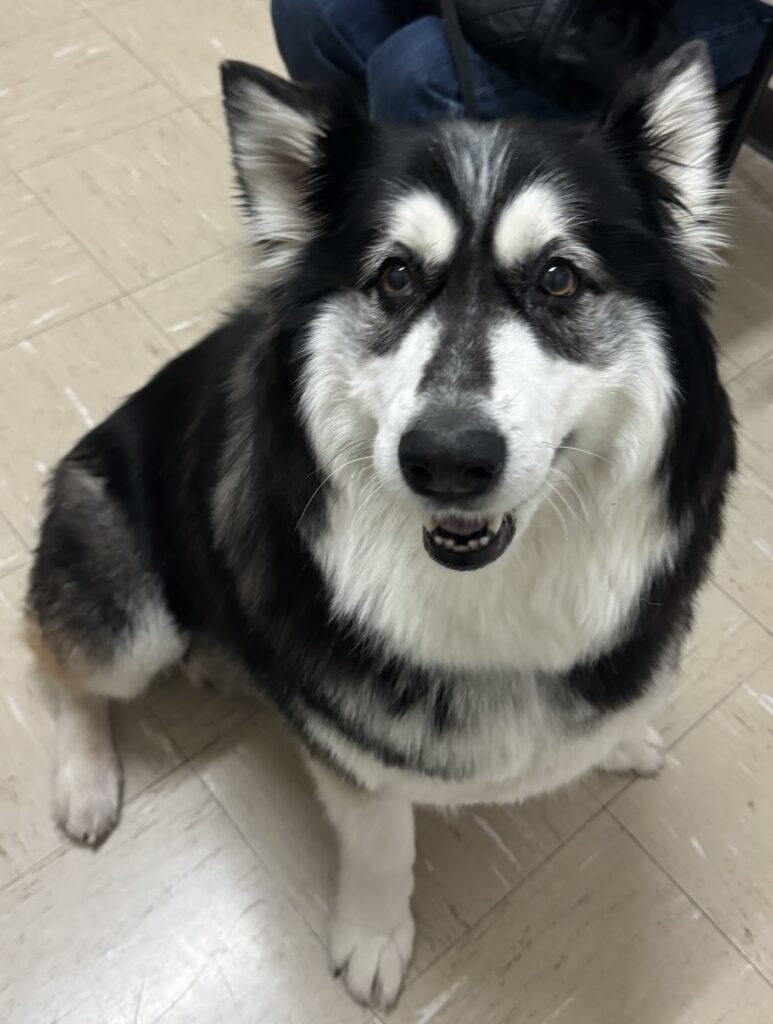
LOCAL EXPERTISE IN AN ENDEMIC ARIZONA DISEASE
Valley Fever in Dogs and Cats in Cave Creek, AZ
Valley Fever is an important health concern for pets living in Cave Creek and throughout central and southern Arizona. Caused by the soil-dwelling fungus Coccidioides, Valley Fever develops when a pet inhales microscopic fungal spores released into the air by disturbed desert soil and dust.
Because Desert Forest Animal Hospital practices in an area where Valley Fever is common, our veterinarians maintain a high level of awareness when evaluating unexplained illness. We diagnose approximately one case of Valley Fever each week, giving our team extensive experience recognizing its many possible symptoms, interpreting diagnostic results, and monitoring pets throughout treatment.
Valley Fever can affect far more than the lungs. Some pets develop coughing or difficulty breathing, while others present with lameness, pain, weight loss, fever, fatigue, skin lesions, eye problems, or neurologic symptoms.
Early diagnosis and appropriate treatment can significantly improve a pet’s outlook.
Call (480) 488-2010 or request an appointment if your pet is showing possible signs of Valley Fever.
What Is Valley Fever?
Valley Fever, medically known as coccidioidomycosis, is a fungal infection found primarily in dry regions of Arizona, California, New Mexico, Texas, and parts of Mexico and Central and South America.
The fungus grows in desert soil. When the soil is disturbed by wind, construction, landscaping, digging, hiking, or other activity, microscopic spores can become airborne. Dogs and other animals may inhale these spores while breathing near the ground.
Valley Fever is generally acquired from the environment. It is not normally transmitted directly from one pet to another or from a pet to a person.
Many dogs exposed to the fungus never become visibly ill because their immune systems control the infection. Other pets develop disease in the lungs or in other parts of the body.
Why Valley Fever Must Be Considered in Arizona Pets
In Cave Creek and surrounding desert communities, Valley Fever should remain high on the list of possible diagnoses whenever a dog has an unexplained illness—especially coughing, fever, fatigue, weight loss, difficulty breathing, or lameness.
A practical rule for veterinarians practicing in the Valley is: when a dog is ill and the cause is not immediately clear, consider testing for Valley Fever.
This does not mean every sick Arizona pet has Valley Fever. Its symptoms overlap with many other medical conditions, including bacterial infections, cancer, orthopedic disease, immune-mediated illness, heart disease, and other respiratory disorders.
Testing must be interpreted together with the pet’s symptoms, physical examination, blood work, medical history, imaging, and response to treatment.
Common Symptoms of Valley Fever in Dogs
Valley Fever most commonly begins in the lungs. Symptoms of pulmonary Valley Fever may include:
- Persistent or recurring coughing
- Rapid, labored, or difficult breathing
- Reduced exercise tolerance
- Fever
- Fatigue or reduced activity
- Decreased appetite
- Weight loss
- Enlarged lymph nodes
Some dogs develop relatively mild respiratory symptoms. Others may become seriously ill and require hospitalization, oxygen, intravenous fluids, nutritional support, or more advanced treatment.
Disseminated Valley Fever
In some patients, the fungal infection spreads beyond the lungs to the bones, joints, skin, eyes, nervous system, lymph nodes, or internal organs. This is called disseminated Valley Fever.
Possible signs include:
- Limping or unexplained lameness
- Swelling of a leg or joint
- Back or neck pain
- Reluctance to walk, jump, or climb stairs
- Weakness or paralysis
- Seizures or other neurologic changes
- Eye inflammation, pain, redness, or cloudiness
- Nonhealing skin wounds or draining lesions
- Firm or soft swellings beneath the skin
- Enlarged lymph nodes
- Persistent fever
- Significant weight loss
- Reduced appetite
- Unusual behavior changes
- Swollen testicles in an intact male dog
Lameness is an especially important sign in Arizona dogs. Valley Fever involving a bone can sometimes resemble an orthopedic injury, arthritis, or even bone cancer.
Valley Fever in Cats
Cats develop Valley Fever less commonly than dogs, but they can still become seriously ill.
Cats may experience respiratory symptoms such as coughing or difficult breathing, but nonhealing skin lesions are often more noticeable. Other possible signs include:
- Draining skin wounds
- Swelling beneath the skin
- Weight loss
- Poor appetite
- Fever
- Reduced activity
- Rapid or difficult breathing
- Limping
- Eye inflammation
- Changes in behavior
Any persistent skin lesion or unexplained illness in a cat living in an endemic Arizona area deserves veterinary evaluation.
How Valley Fever Is Diagnosed
There is no single test that provides every answer in every patient. Diagnosis usually involves a combination of the pet’s history, symptoms, physical examination, laboratory testing, and diagnostic imaging.
Our veterinarians may recommend:
- A Valley Fever antibody test or titer
- Complete blood count
- Blood chemistry panel
- Urinalysis
- Chest X-rays
- X-rays of a painful or swollen limb
- Additional imaging
- Sampling of a skin lesion, lymph node, bone lesion, or other abnormal tissue
- Repeat testing when initial results do not match the clinical picture
Desert Forest Animal Hospital provides in-house pet diagnostics and blood work as well as digital veterinary X-rays to help evaluate pets with possible Valley Fever.
Understanding Valley Fever Titers
A Valley Fever titer measures antibodies produced by the immune system in response to the fungus. Titers can help support a diagnosis and monitor changes over time, but they must be interpreted carefully.
A higher titer may be associated with more active or widespread disease, but the number does not always correspond perfectly with the severity of a pet’s illness.
Important limitations include:
- A sick dog can occasionally have a low titer.
- A pet with early disease may initially test negative.
- Some exposed but clinically healthy dogs have low positive titers.
- Some dogs remain mildly titer-positive for life despite feeling well.
- Clinical symptoms, imaging, blood work, and physical findings may sometimes be more informative than the titer alone.
When Valley Fever is strongly suspected but the initial test is negative, repeat testing or additional diagnostics may be recommended.
Ongoing Titer Testing and Monitoring
Once a pet has been diagnosed with Valley Fever, ongoing veterinary monitoring is important.
Recheck appointments may include:
- Repeat Valley Fever titers
- Physical examinations
- Complete blood counts
- Chemistry panels
- Liver or kidney monitoring
- Repeat chest or bone X-rays
- Evaluation of appetite, weight, breathing, pain, and activity
- Review of medication response and possible side effects
Pets may initially need frequent rechecks. Once the condition stabilizes, many dogs are evaluated approximately every two to four months. This frequently means several titer tests and veterinary examinations per year.
The ideal schedule depends on:
- Severity of the original infection
- Whether disease is confined to the lungs or has disseminated
- Initial and changing titer results
- Medication being used
- Laboratory findings
- Clinical response
- Side effects
- Whether medication has recently been discontinued
Titers are helpful, but treatment decisions should not be based on the titer number alone.
Treatment for Valley Fever
Most dogs that are clinically ill with Valley Fever require oral antifungal medication. Treatment is usually measured in months rather than weeks.
A typical course may last approximately six to twelve months. Dogs with infection involving the bones, skin, eyes, nervous system, or internal organs often require longer treatment.
Some pets can discontinue medication after six months to a year when:
- Symptoms have resolved
- Physical examination findings have improved
- Laboratory results are stable
- Imaging has improved when applicable
- Titers and other indicators support discontinuation
- The veterinarian believes the risk of relapse is acceptably low
Other pets require medication for several years or for life. Lifelong treatment is more likely when disease involves the brain or spinal cord, when symptoms return after medication is stopped, or when the infection cannot be fully controlled without continued antifungal therapy.
Never discontinue an antifungal medication because your pet seems better. Symptoms can improve before the infection is adequately controlled.
Fluconazole
Fluconazole is the antifungal medication most commonly prescribed for canine Valley Fever in Arizona.
Reasons it is frequently selected include:
- Good absorption
- Availability as a generic medication
- Penetration into many tissues
- Penetration into the brain and eyes
- Generally manageable side-effect profile
- Extensive clinical experience with its use in Arizona dogs
Possible side effects can include decreased appetite, vomiting, diarrhea, changes in coat quality, increased liver enzymes, or other laboratory abnormalities. Because fluconazole is cleared largely through the kidneys, dosing may need to be adjusted for pets with kidney impairment.
Your veterinarian may recommend periodic blood work to monitor medication tolerance.
Terbinafine as an Additional Medication
Terbinafine may be added to fluconazole or another primary antifungal when a pet is not responding as expected.
It is best described as an adjunctive medication, meaning it supports the primary treatment rather than automatically replacing it. Clinical experience suggests some inadequately responding dogs improve when terbinafine is added, although the veterinary evidence is more limited than it is for fluconazole.
The decision to add terbinafine depends on the location and severity of disease, the pet’s response, medication tolerance, laboratory results, and the veterinarian’s clinical judgment.
Other Antifungal Medications
Itraconazole
Itraconazole can be effective when a dog does not respond adequately to fluconazole and may be considered in some cases involving bone disease. It can be more expensive and may be more likely to affect liver enzymes. Absorption also depends on the formulation and how it is administered.
Ketoconazole
Ketoconazole has historically been used to treat Valley Fever but is now generally less common than fluconazole or itraconazole. It can cause gastrointestinal side effects, liver-enzyme elevations, and other adverse effects.
Amphotericin B and Other Treatments
Severely ill pets, pets that cannot tolerate oral antifungals, or pets that do not respond to standard medications may need other antifungal treatments, specialist consultation, or hospitalization.
Treatment must always be individualized. Do not change medications, alter doses, or add supplements without discussing the plan with your veterinarian.
Supporting a Pet During Treatment
Pets with severe breathing difficulty, collapse, seizures, inability to walk, uncontrolled pain, or rapidly worsening symptoms need immediate veterinary attention.
If your dog or cat develops a sudden or worsening illness during our regular clinic hours, call (480) 488-2010 before arriving. Desert Forest Animal Hospital provides same-day urgent veterinary care in Cave Creek for many stable illnesses and injuries when availability allows.
Our veterinary team can evaluate your pet, perform appropriate bloodwork or diagnostic imaging, begin treatment when appropriate, and determine whether your pet can be managed at Desert Forest or should be transferred to a 24-hour emergency or specialty hospital.
After hours, or for a critically ill or unstable pet, go directly to an open 24-hour emergency veterinary hospital.
Can Valley Fever Come Back?
Yes. Valley Fever can relapse after treatment has been discontinued.
Recurrence may happen months or even years later. Signs may resemble the original illness or appear in a different part of the body.
Contact a veterinarian if a previously diagnosed pet develops:
- A new cough
- Labored breathing
- Lameness
- Back or neck pain
- Weight loss
- Fever
- Reduced appetite
- Unexplained fatigue
- Skin lesions
- Eye changes
- Neurologic symptoms
A dog that relapses may need to restart antifungal therapy. Some dogs that relapse remain on medication for life.
What Is the Prognosis?
The prognosis for Valley Fever ranges from fair to excellent, depending on the severity and location of the infection.
Dogs with mild to moderate disease confined to the lungs generally have the best prognosis and often respond well to antifungal therapy. Early diagnosis and appropriate treatment improve the chance of recovery.
Many dogs with disseminated Valley Fever also respond well and return to a good quality of life, although they commonly require longer treatment and closer monitoring.
The prognosis may be more guarded when there is:
- Severe respiratory disease
- Extensive bone involvement
- Brain or spinal-cord involvement
- Significant eye disease
- Multiple-organ involvement
- Delayed diagnosis
- Poor response to antifungal medication
- Serious underlying illness
Some dogs need lifelong treatment, and a small percentage may die despite appropriate care.
Can Valley Fever Be Prevented?
There is currently no guaranteed way to prevent Valley Fever in pets living in an endemic region.
Exposure may be reduced by:
- Limiting digging in dry soil
- Avoiding rodent holes
- Keeping pets indoors during severe dust storms
- Reducing outdoor activity during major construction or soil disturbance
- Using ground cover to reduce dusty areas in the yard
- Walking dogs on established paths when possible
These steps can reduce dust exposure but cannot eliminate the risk.
Valley Fever is only one of several health risks associated with living in the Sonoran Desert. For a broader veterinarian-reviewed local resource, read our Sonoran Desert Pet Safety Guide for Cave Creek, Carefree & North Scottsdale . It covers Valley Fever, rattlesnakes, extreme heat, burned paw pads, cactus injuries, coyotes and wildlife, cat-specific desert risks, hiking precautions, and when a dog or cat may need urgent veterinary care.
Why Choose Desert Forest Animal Hospital for Valley Fever Care?
Desert Forest Animal Hospital has extensive experience diagnosing and treating Valley Fever in dogs and cats throughout Cave Creek, Carefree, Tatum Ranch, Desert Hills, Desert Mountain, North Scottsdale, and nearby North Valley communities.
Because we practice in the Valley, our veterinarians see this disease regularly and diagnose approximately one new case each week.
Our capabilities include:
- Valley Fever antibody testing and titer monitoring
- In-house blood work
- Digital X-rays
- Medication monitoring
- Evaluation of respiratory and orthopedic symptoms
- Long-term follow-up
- Pain and symptom management
- Coordination with specialists when needed
- Clear explanations throughout diagnosis and treatment
Our goal is to identify Valley Fever as early as possible, select an appropriate treatment plan, monitor your pet carefully, and help them return to the best quality of life possible.
Frequently Asked Questions About Valley Fever in Dogs and Cats
Does every positive Valley Fever titer require treatment?
Not necessarily. Some clinically healthy dogs have low positive titers due to prior exposure. Treatment decisions should consider symptoms, examination findings, titer level, imaging, blood work, and the pet’s overall condition.
Can a dog have Valley Fever with a negative titer?
Yes. Early infection or severe disease can occasionally produce a negative or unexpectedly low antibody result. Repeat testing or additional diagnostics may be recommended when clinical suspicion remains high.
How long will my dog need fluconazole?
Many dogs receive antifungal medication for approximately six to twelve months. Disseminated or complicated cases may require treatment for 12 to 18 months, several years, or life.
How often should a Valley Fever titer be checked?
The schedule is individualized. Many stable dogs are rechecked approximately every two to four months during treatment and recovery. More frequent testing may be needed early in treatment or when symptoms change.
Can Valley Fever cause limping?
Yes. When the infection spreads to bones or joints, lameness, swelling, pain, and reluctance to move may occur. Valley Fever should be considered in an Arizona dog with unexplained or persistent lameness.
Is Valley Fever contagious?
Valley Fever is generally acquired by inhaling fungal spores from the environment. It is not normally spread directly between pets or from pets to people.
Can my pet stop medication once the cough is gone?
No. Clinical symptoms can improve before the infection is adequately controlled. Continue medication until your veterinarian determines that it is appropriate to stop.
Will my pet need medication for life?
Some pets do. Lifelong therapy may be recommended for neurologic disease, recurring infection, or disease that cannot remain controlled without medication. Many other pets can eventually discontinue medication after an adequate course of treatment and appropriate follow-up.
Schedule a Valley Fever Evaluation in Cave Creek
Contact Desert Forest Animal Hospital if your dog or cat has coughing, difficult breathing, unexplained lameness, fever, fatigue, weight loss, or another persistent illness.
Early evaluation can help identify Valley Fever and other serious conditions before they progress.
Call (480) 488-2010 or request an appointment online.
For additional reliable information, visit the University of Arizona Valley Fever Center for Excellence .
Desert Forest Animal Hospital
6554 E Cave Creek Road
Cave Creek, AZ 85331
Medical Review
Medically reviewed by
Bryan Hayter, DVM
Owner & Medical Director, Desert Forest Animal Hospital
Last medically reviewed: October 2026